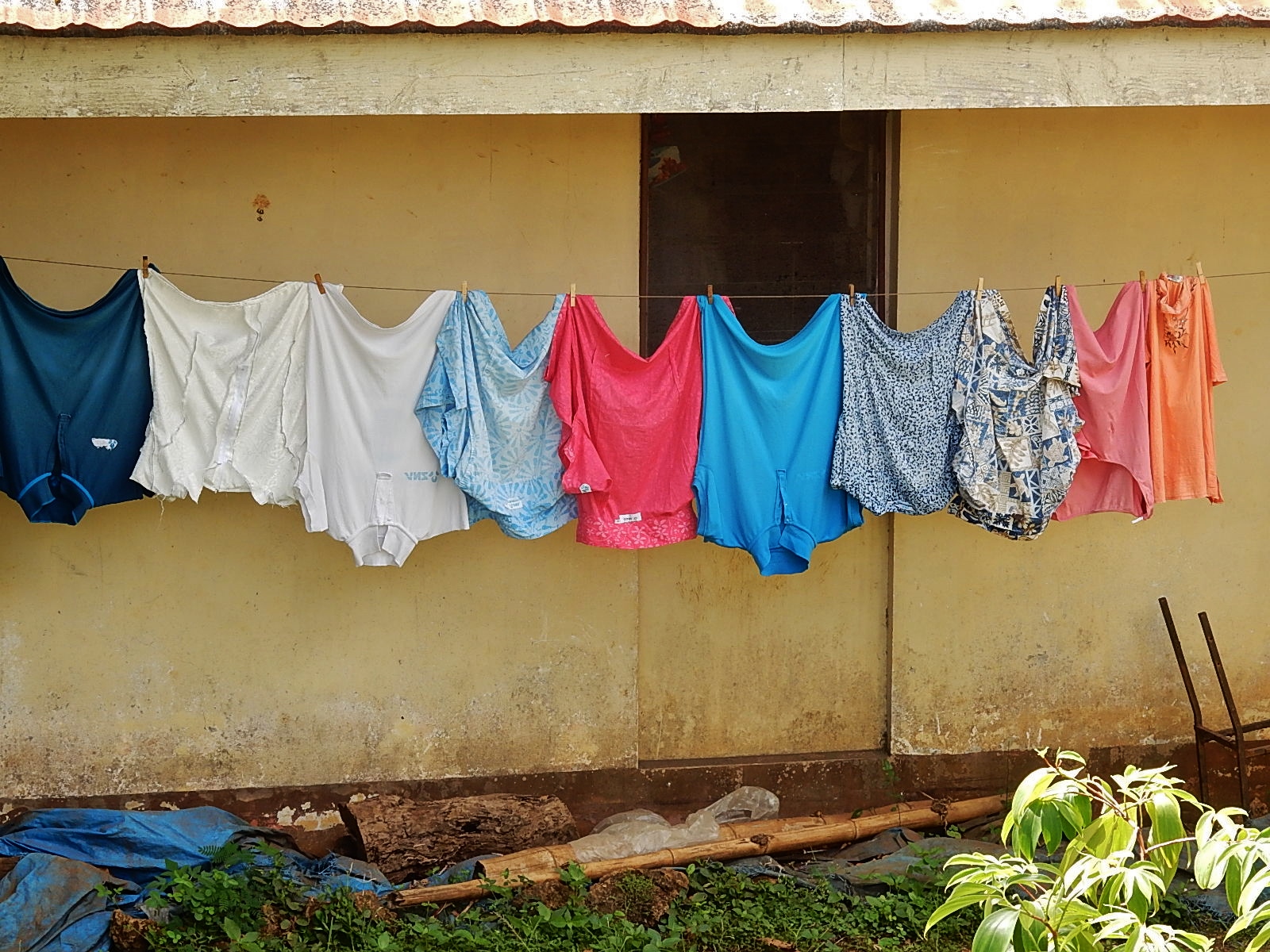
Updated November 2026. Most of a garment’s environmental footprint is locked in before you buy it, but how you wash it decides how long it lasts, and a garment you keep for years is the most sustainable one you can own. This guide covers the habits that make the biggest difference: washing less, washing colder, choosing a gentler detergent, cutting microfibre shedding, and drying without wrecking fabric.
Why laundry matters more than you think
A UN Environment Programme life-cycle assessment found the “use phase” (washing, drying and ironing) accounts for roughly a quarter of the clothing sector’s greenhouse gas emissions. Heating water and running a tumble dryer are the biggest parts of that. Washing also wears fabric out: every cycle loosens fibres, fades dyes and stretches seams, which is why a t-shirt that is washed after every wear looks tired long before one that is aired and worn twice.
So sustainable laundry has two goals: use less energy and water per load, and do less damage per wash so clothes last longer.
1. Wash less often
The single biggest change is simply washing clothes when they are dirty rather than when they have been worn once.
- Jeans: many denim makers suggest washing every 5 to 10 wears, or when they actually smell or are stained.
- Sweaters and wool: wool resists odour naturally. Air it overnight and spot-clean; wash a few times a season.
- Outer layers: jackets, hoodies and trousers worn over other clothes rarely need washing weekly.
- Underwear, socks, gym kit: wash after each wear. That is what laundry is for.
Airing clothes on a hanger by an open window, brushing off dried mud, and spot-cleaning a small stain with a damp cloth will often save a full cycle.
2. Wash cold (30°C / 86°F or lower)
Most of the energy a washing machine uses goes into heating water. Modern detergents are formulated to work at 30°C or even 20°C, and most everyday loads come out just as clean. Cold washing is also gentler: it reduces shrinkage and colour fading. Save hot washes for bedding, towels, cloth nappies and anything heavily soiled or used by someone who is ill.
3. Wash full loads (but don’t overstuff)
A full drum uses water and energy more efficiently than two half loads. But leave a hand’s width of space at the top of the drum: clothes need room to move for the detergent to work, and overpacking increases friction, which wears fabric faster.
4. Choose a gentler detergent, and use less of it
Most people use more detergent than they need. Overdosing leaves residue in fabric, which attracts dirt and stiffens towels, and sends more surfactant down the drain. Check the dosing guide for soft water and lightly soiled loads; it is usually less than the cap holds.
When choosing a detergent, look for:
- Concentrated formulas (less packaging and transport per wash).
- Plant-based, readily biodegradable surfactants.
- No added optical brighteners or synthetic fragrance if you have sensitive skin.
- Refill or plastic-free packaging.
5. Soap berries (soap nuts): an honest look
Some links in this section are affiliate links: as an Amazon Associate we earn from qualifying purchases.
Soap berries, often called soap nuts, are the dried fruit shells of the Sapindus tree, native to India and Nepal, where they have been used for washing for centuries. The shells contain saponins, natural surfactants that lift oils and grime when agitated in water. They are a fruit, not a nut.
What they do well
- Everyday loads: worn-once clothes, bedding, towels and lightly soiled items.
- Sensitive skin: they are fragrance-free and contain no optical brighteners, which many people with sensitive skin or eczema prefer to avoid.
- Waste: a small bag of shells is reused for several loads, and the spent shells can go in your compost.
- Delicates and wool: the gentle wash is kind to fibres and leaves no residue, so you can usually skip fabric softener.
Where they fall short
Independent tests have found conventional detergents clean better on heavy soiling. A Norwegian study by Laitala and Kjeldsberg compared soap nuts, laundry balls and other alternatives with regular detergent and found the conventional detergent removed stains more effectively, and Germany’s consumer testing organisation Stiftung Warentest reached a similar conclusion. That matches our own experience: soap berries are excellent for everyday washing, but they are not a stain remover.
Our practical advice:
- Pre-treat stains (grease, grass, blood, makeup) before washing, whatever you use.
- Use soap berries for most loads, and keep a small amount of conventional or oxygen-based cleaner for very dirty work clothes or sports kit.
- Soap berries work best in warm water. For cold washes, soak the bag in a cup of hot water for a few minutes first, or use a liquid soap berry concentrate.
How to use soap berries
- Put 4 to 6 shells in the small cotton bag they come with and tie it shut.
- Drop the bag in the drum with your clothes (not the detergent drawer).
- Wash as normal. Leave the bag in for the rinse; it won’t affect your clothes.
- Take the bag out and let it dry between washes. Reuse until the shells turn soft, grey and thin (usually 4 to 6 loads), then compost them.
A homemade soap nut liquid is the easier option for cold washes and for people who don’t want to fish a bag out of the machine. For whole shells, we recommend NaturOli Organic Soap Nuts on Amazon. For more detail, read our full soap nuts guide, or compare options in the best non-toxic laundry detergents.
6. Cut microfibre shedding from synthetics
Polyester, nylon and acrylic shed tiny plastic fibres every time they are washed, and the UN estimates around half a million tonnes of microfibres reach the ocean each year. You can reduce your share:
- Wash synthetics less often and on cooler, shorter cycles.
- Use a microfibre-catching wash bag or a filter fitted to your machine’s outflow.
- Wash full loads; less space means less friction.
- Skip the tumble dryer for fleece and activewear.
- When buying new, favour natural fibres or tightly woven fabrics for items you’ll wash often.
7. Dry without a dryer where you can
Tumble dryers are among the most energy-hungry appliances in a home, and the heat and tumbling shrink and break down fibres (the lint in the filter is your clothes). Line or rack drying saves energy and makes clothes last longer.
- Shake garments out and hang them while damp to reduce wrinkles and ironing.
- Dry knitwear flat so it keeps its shape.
- Dry dark colours inside out and out of direct sun to stop fading.
- If you use a dryer, choose a lower heat, clean the lint filter every load, and use wool dryer balls to shorten drying time.
8. Fabric-by-fabric quick guide
| Fabric | Wash | Dry | Tip |
|---|---|---|---|
| Cotton | 30°C, regular cycle | Line dry | Hot washes and dryers shrink it |
| Linen | 30–40°C, gentle | Line dry, iron damp | Gets softer with every wash |
| Wool | Cold, wool cycle or hand wash | Flat | Air between wears; see how to wash wool |
| Denim | Cold, inside out | Line dry | Wash every 5–10 wears |
| Polyester / fleece | Cold, short cycle, in a filter bag | Line dry | Biggest microfibre shedder |
| Viscose / rayon | Cold, gentle | Line dry | Weak when wet; don’t wring |
| Silk | Hand wash, cold | Flat, out of sun | Gentle soap only |
Laundry tools that help clothes last
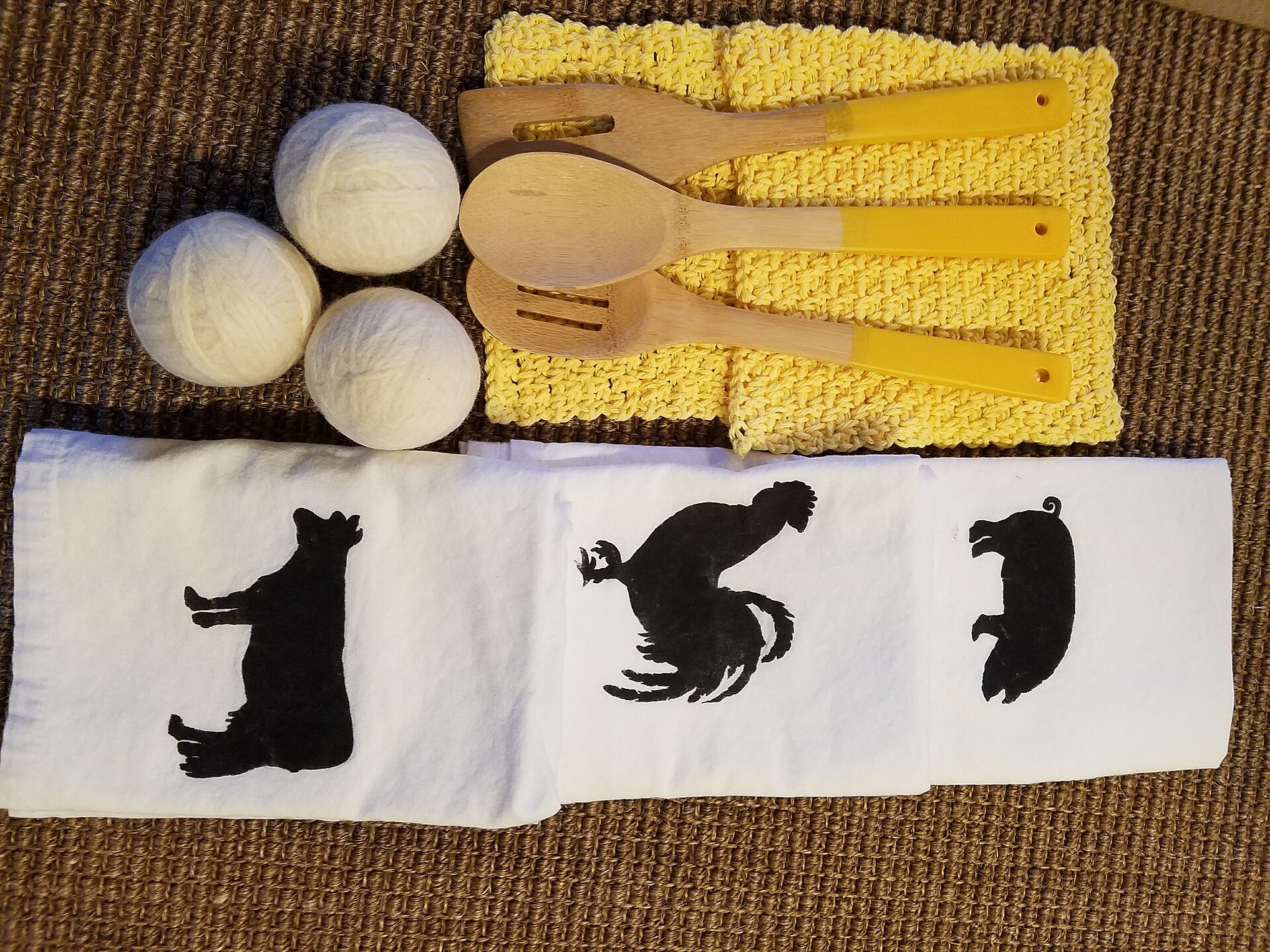
These are affiliate links. As an Amazon Associate we earn from qualifying purchases, at no extra cost to you.
- Microfibre-catching wash bag: wash fleece, activewear and other synthetics inside a filter bag such as the GUPPYFRIEND to trap shed fibres and reduce pilling. Filter bags such as the GUPPYFRIEND are sold by outdoor and zero-waste retailers.
- Wool dryer balls: a reusable alternative to dryer sheets that shortens drying time when you do use the dryer. We like this 6-pack of XL New Zealand wool dryer balls on Amazon.
- Folding drying rack: the simplest way to skip the dryer, indoors or out. The Amazon Basics foldable drying rack is cheap, sturdy and very well reviewed.
- Mesh laundry bags: protect delicates, bras and knitwear from snagging in the drum. These PrettyCare zippered mesh laundry bags on Amazon are a reliable choice.
- Fabric shaver (de-piller): removes bobbles from sweaters and makes tired knitwear look new again. The Philips fabric shaver on Amazon is one of the best-reviewed.
- Stain remover bar: an ox gall or plant-based stain bar for pre-treating stains before washing. Try the Aleva Naturals Stain and Laundry Bar on Amazon.
The bottom line
Wash less, wash cold, fill the drum, go easy on detergent and skip the dryer when you can. Those habits cut energy use, save money and, most importantly, keep your clothes looking good for longer. For more on what your clothes are made of, read our guide to sustainable fabrics.
Sources
- UN Environment Programme, life-cycle assessment of the clothing sector (use phase ~24% of emissions, 2016 baseline).
- Laitala, K. & Kjeldsberg, M. (2012). Cleaning effect of alternative laundry products: a comparison of soap nuts, laundry balls, washing pellets, laundry magnets, water and regular detergent.
- Stiftung Warentest, test of soap nuts and horse chestnuts as laundry detergents.
- UN News (2019), UN Alliance for Sustainable Fashion launch: microfibre estimates.
Leave a Reply