Blog

  • How to Wash a Wool Sweater Without Shrinking It (Hand and Machine)

    How to Wash a Wool Sweater Without Shrinking It (Hand and Machine)

    Updated November 2026. Some links are affiliate links: as an Amazon Associate we earn from qualifying purchases.

    Wool is one of the most durable fibres you can own, but one bad wash can shrink a favourite sweater to doll size. The good news: wool needs washing far less often than other fabrics, and washing it safely is easy once you know the two rules: no heat and no rubbing. Here is how to hand wash a wool sweater, how to machine wash it safely, how to dry it, and how to rescue one that has shrunk.

    Quick answer

    1. Fill a basin with cool or lukewarm water (under 30°C / 86°F) and a small amount of wool wash.
    2. Turn the sweater inside out, submerge it, and gently press (don’t rub or wring) for a minute or two. Soak for 10 to 15 minutes.
    3. Drain, then press out water against the side of the basin. Rinse in water of the same temperature if your wash needs rinsing.
    4. Roll the sweater in a towel to absorb water.
    5. Reshape it and dry flat, away from heat and direct sun.
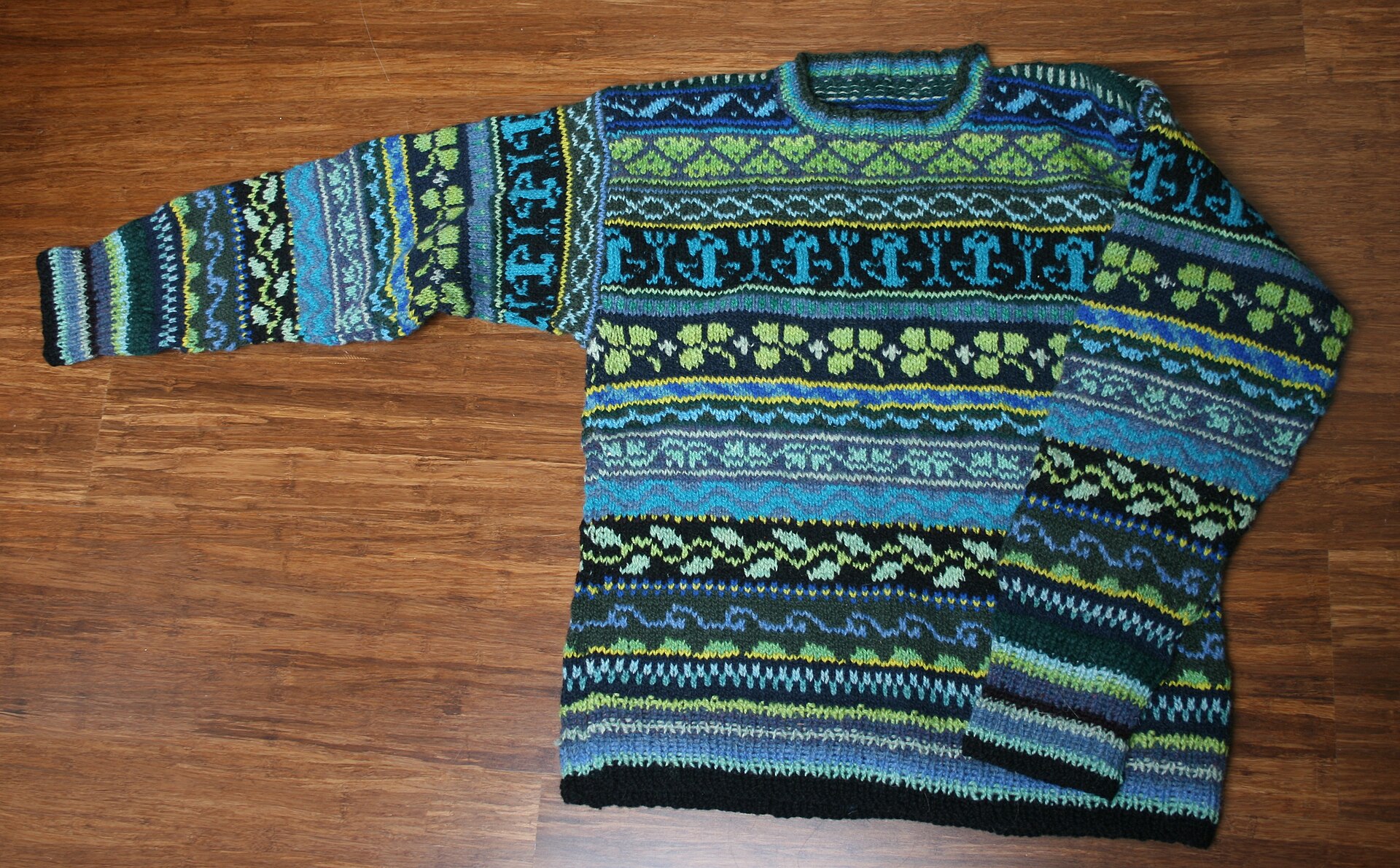
    Hand-knitted Fair Isle wool pullover sweater laid flat
    Hand-knitted wool needs cool water and gentle handling. Photo: Lisa Dusseault from USA, via Wikimedia Commons, CC BY 2.0

    Why wool shrinks

    Each wool fibre is covered in microscopic overlapping scales. Heat, agitation and sudden temperature changes make those scales open, catch on each other and lock together permanently. This is called felting. That is why a hot wash or a tumble dryer can shrink a sweater by several sizes in one cycle. Keep the water cool and consistent, and handle the sweater gently, and wool will not felt.

    Some wool is labelled “superwash” or “machine washable”. It has been treated to smooth the scales so it resists felting in a washing machine. Always check the care label first.

    How often should you wash a wool sweater?

    Much less than you think. Wool naturally resists odour and sheds dirt, so a sweater worn over a shirt can go five to ten wears, or a few washes a season, between washes. In between:

    • Air it overnight on a hanger or over a chair after wearing.
    • Brush off surface dirt with a clothes brush.
    • Spot-clean small marks with a damp cloth and a drop of wool wash.

    Washing less is also the most sustainable thing you can do for your clothes. See our sustainable laundry guide.

    What to wash wool with

    Use a wool-specific or pH-neutral wash. Regular detergents often contain enzymes (protease) that break down protein stains, and wool is a protein, so they can weaken fibres over time. Avoid bleach and fabric softener.

    How to hand wash a wool sweater (step by step)

    1. Check the label and test any dark or bright colours for bleeding by dabbing a damp white cloth on an inside seam.
    2. Fill a clean sink or basin with cool to lukewarm water. Add wool wash as directed (usually about a teaspoon to a tablespoon) and swish to dissolve.
    3. Turn the sweater inside out to protect the outer surface and reduce pilling.
    4. Submerge and press gently. Push the sweater under the water and squeeze softly a few times. Do not rub, twist or scrub.
    5. Soak for 10 to 15 minutes (up to 30 for a no-rinse wash).
    6. Drain and press. Let the water out, then press the sweater against the side of the basin to remove water. Never wring it.
    7. Rinse if needed in water of the same temperature. Skip this step with no-rinse washes.
    8. Towel roll. Lay the sweater on a thick towel, roll them up together, and press or kneel on the roll to squeeze out more water.
    9. Reshape and dry flat (see below).

    How to machine wash a wool sweater

    You can machine wash most wool safely if your machine has a wool or hand-wash cycle, which uses cool water and very gentle movement.

    • Use the wool or hand-wash cycle at 30°C or cold, with a low spin (600 rpm or less).
    • Turn the sweater inside out and put it in a mesh laundry bag to reduce friction.
    • Use a wool wash, not regular detergent.
    • Wash it alone or with a few other wool items, not with jeans and towels.
    • Take it out as soon as the cycle ends and dry it flat.

    If your machine has no wool cycle, or the label says “hand wash only” and the sweater is not superwash, hand wash it.

    How to dry a wool sweater

    Never put wool in the tumble dryer (unless the label specifically allows it), and never hang a wet sweater, as the weight of the water will stretch it out of shape.

    1. Lay the sweater flat on a dry towel or a flat mesh drying rack.
    2. Gently reshape it to its original size, straightening the sleeves, hem and neckline.
    3. Dry away from radiators, heaters and direct sunlight, which can shrink or fade it.
    4. Turn it over after a few hours. Most sweaters dry within 24 to 48 hours.

    A folding drying rack with a flat towel on top works well if you don’t have a dedicated sweater drying rack.
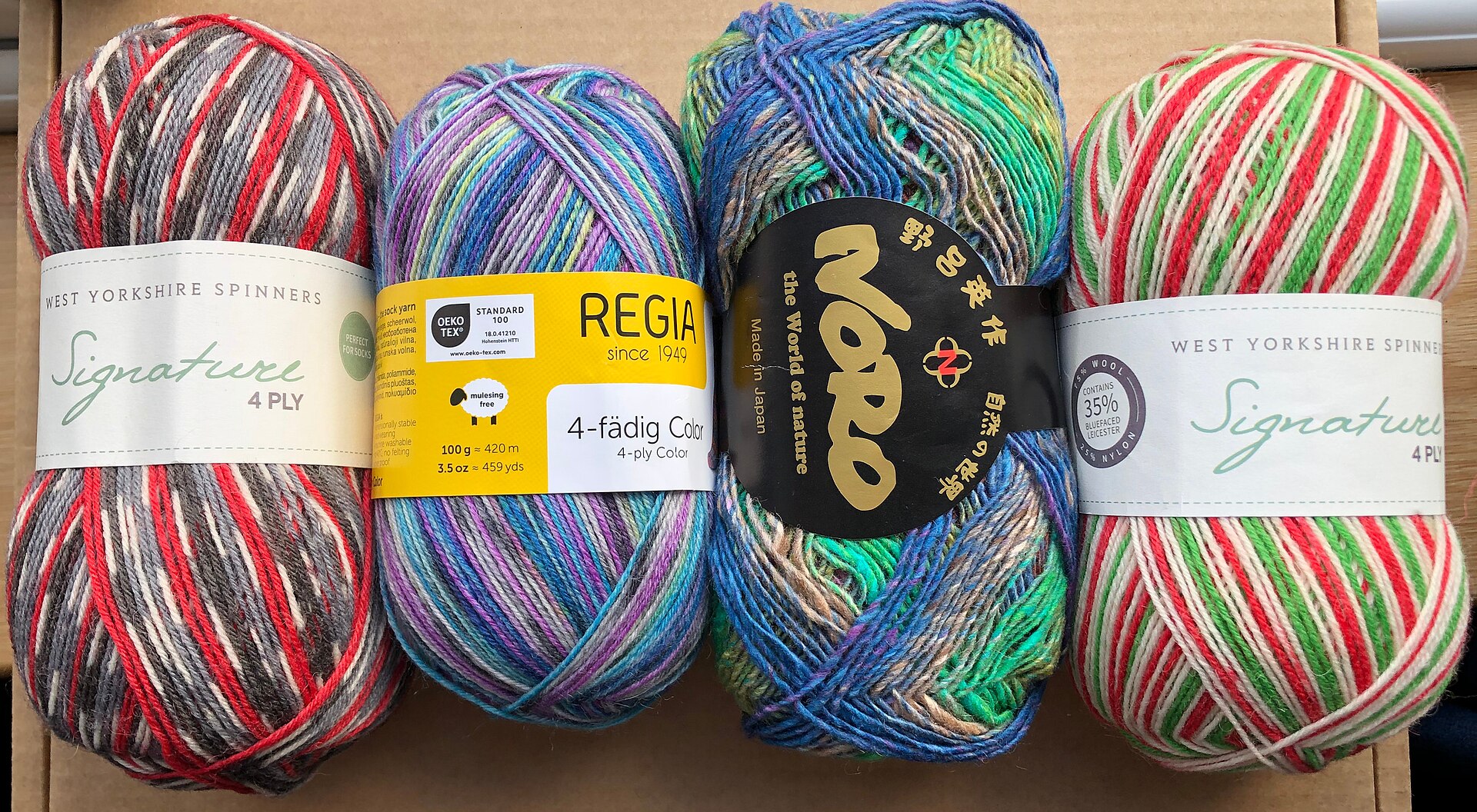
    Balls of multicoloured wool knitting yarn
    Photo: X201, via Wikimedia Commons, CC0

    How to unshrink a wool sweater

    If a sweater has felted badly it cannot be fully restored, but mild shrinkage can often be partly reversed:

    1. Fill a basin with lukewarm water and add a generous squeeze (about a tablespoon per litre) of hair conditioner or baby shampoo.
    2. Soak the sweater for 30 minutes. The conditioner helps relax and lubricate the fibres.
    3. Without rinsing, press out the water and towel roll it.
    4. Lay it flat on a dry towel and gently stretch it back toward its original shape, a little at a time.
    5. Pin or weigh down the edges and let it dry flat, stretching again as it dries.

    How to remove pilling from wool

    Pills (little bobbles) form where fibres rub, such as under the arms and on the sides. They are normal, especially on soft merino and cashmere, and don’t mean the sweater is poor quality.

    • Use a fabric shaver on a flat surface, with gentle pressure.
    • For fine knits like cashmere, a sweater comb is gentler.
    • Wash inside out and in a mesh bag to reduce future pilling.

    How to store wool sweaters

    • Fold, don’t hang, to prevent shoulder bumps and stretching.
    • Wash before storing for the season. Moths are attracted to food, sweat and skin oils.
    • Store in breathable cotton bags or boxes with cedar blocks or lavender sachets to deter moths.
    • Check stored wool every few months and air it out.

    Washing other wool items

    ItemBest methodTip
    Merino base layersMachine, wool cycle, coldUsually superwash; dry flat or hang
    CashmereHand washUse a sweater comb for pilling
    Wool socksMachine, wool cycleTurn inside out
    Wool coatSpot-clean, brush, professional cleanDon’t submerge structured coats
    Wool blanketsHand wash in bathtub or wool cycleDry flat over a rack or clean line in shade

    Frequently asked questions

    Can you wash wool in cold water?

    Yes. Cool or lukewarm water is best for wool. What matters most is keeping the wash and rinse water the same temperature and avoiding agitation.

    Can I use regular detergent on wool?

    It is better not to. Many regular detergents contain enzymes that can damage protein fibres such as wool over time. Use a wool wash or a pH-neutral, enzyme-free soap.

    Does vinegar help when washing wool?

    A splash of white vinegar in the final rinse can help remove soap residue and soften wool, and the smell disappears as it dries.

    Why did my wool sweater shrink in cold water?

    Agitation and a sudden change in temperature can felt wool even in cold water. A long, vigorous machine cycle or moving a sweater from warm water to cold rinse can both cause shrinkage.
    Related guides

  • The Best Laundry Detergent for Sensitive Skin and Eczema

    The Best Laundry Detergent for Sensitive Skin and Eczema

    Updated November 2026. Some links are affiliate links: as an Amazon Associate we earn from qualifying purchases. This guide is general information, not medical advice. If you have persistent rashes or eczema flares, see a doctor or dermatologist.

    If your skin itches, stings or flares after you put on freshly washed clothes, your laundry detergent may be the cause. The usual culprits are fragrance, dyes and leftover detergent residue. Here is what to look for, our picks for the best laundry detergents for sensitive skin and eczema, and the washing habits that make the biggest difference.

    Our top picks

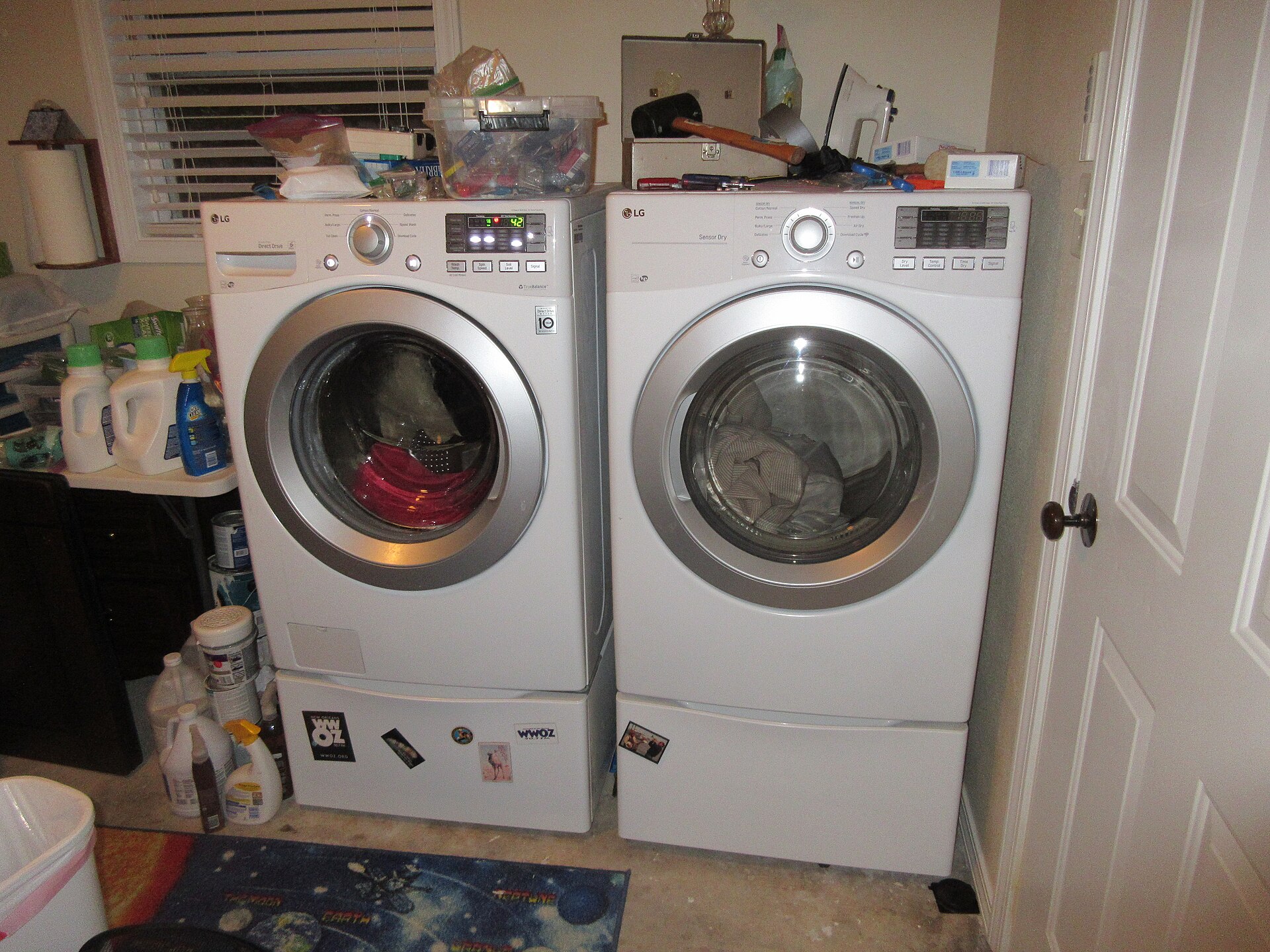
    Two front-loading washing machines in a home laundry room
    Photo: Infrogmation of New Orleans, via Wikimedia Commons, CC BY 2.0

    Why laundry detergent irritates sensitive skin

    Clothes sit against your skin all day, and no rinse cycle removes every trace of detergent. For people with eczema (atopic dermatitis), contact dermatitis or simply sensitive skin, the most common triggers in laundry products are:

    • Fragrance, including “natural” essential oils. This is the single most common trigger.
    • Dyes, which serve no cleaning purpose.
    • Preservatives such as methylisothiazolinone (MIT).
    • Fabric softeners and dryer sheets, which coat fabric with fragrance and softening agents designed to stay there.
    • Residue from overdosing detergent, especially in high-efficiency machines that use less water.

    What to look for

    • “Free & clear” or “fragrance-free and dye-free” on the label. Note that “unscented” can mean a masking fragrance has been added, so “fragrance-free” is better.
    • The National Eczema Association (NEA) Seal of Acceptance. Products with the seal are free from ingredients on the NEA’s list of known eczema triggers and have been through scientific review.
    • EWG VERIFIED, which requires full ingredient disclosure and excludes chemicals of concern.
    • A short ingredient list you can actually read.

    The best laundry detergents for sensitive skin

    1. Tide Free & Gentle: best overall for eczema

    Tide Free & Gentle is free of dyes and perfumes and has both the National Eczema Association Seal of Acceptance and the National Psoriasis Foundation Seal of Recognition. It was the first laundry detergent to earn both. Because it is still a full-strength enzyme detergent, it is the best choice if you need gentle on skin but tough on stains.

    Check the price of Tide Free & Gentle on Amazon

    2. all free clear: best value

    all free clear is fragrance- and dye-free, widely available, and carries the NEA Seal of Acceptance. It is one of the most affordable certified options and one of the best-rated sensitive-skin detergents on Amazon.ca.

    Check the price of all free clear on Amazon

    3. ATTITUDE Free and Clear: best plant-based

    From Canadian brand ATTITUDE, this unscented, dye-free liquid is EWG Verified and made with mostly plant-based ingredients. A good pick if you want a gentle detergent with a smaller environmental footprint.

    Check the price of ATTITUDE Free and Clear on Amazon

    4. Blueland Free & Clear Tablets: best plastic-free

    Fragrance- and dye-free, enzyme-based tablets with both the NEA Seal of Acceptance and EWG Verified status, in plastic-free packaging with no PVA pod film.

    Check the price of Blueland Free & Clear on Amazon

    5. Soap berries: the most minimal option (our product)

    Soap berries are a single ingredient: the dried shells of the soapberry fruit. They contain no fragrance, dyes, preservatives or brighteners, which is why many people with sensitive skin like them. They are less effective on heavy stains than enzyme detergents. Read our soap nuts guide or shop soap berries at Greener Living (disclosure: our own product).

    Washing tips for sensitive skin and eczema

    1. Use less detergent than the cap suggests, especially for soft water and lightly soiled loads.
    2. Add an extra rinse to remove more residue.
    3. Wash new clothes before wearing them to remove finishing chemicals and dyes.
    4. Drop fabric softener and dryer sheets. Use wool dryer balls to soften and speed up drying instead.
    5. Clean your machine monthly with a hot empty cycle to clear built-up residue.
    6. Switch the whole household, including towels and bedding, not just your own clothes.
    7. Choose soft, breathable fabrics such as cotton, and avoid scratchy wool directly against eczema-prone skin. See our fabrics guide.

    Frequently asked questions

    What laundry detergent do dermatologists recommend for eczema?

    Dermatologists generally recommend fragrance-free, dye-free detergents. The NEA Seal of Acceptance is a useful shortcut: Tide Free & Gentle, all free clear and Blueland Free & Clear all carry it.

    Is “unscented” the same as “fragrance-free”?

    Not always. “Unscented” products may contain a masking fragrance to cover chemical smells. “Fragrance-free” means no fragrance has been added.

    Can laundry detergent cause hives or a rash?

    Yes. Fragrance and preservatives in detergent can cause contact dermatitis, which shows up as an itchy rash where clothing touches the skin. If a rash persists after switching detergent, see a doctor.

    Are natural detergents better for sensitive skin?

    Not automatically. Essential oils and plant extracts can also trigger reactions. Fragrance-free matters more than natural.

    Related guides

    Sources

    • National Eczema Association, Seal of Acceptance product directory and program criteria.
    • National Psoriasis Foundation, Seal of Recognition: Tide Free & Gentle.
    • Environmental Working Group, EWG Verified product listings.
  • The Best Non-Toxic Laundry Detergents (and What “Non-Toxic” Really Means)

    The Best Non-Toxic Laundry Detergents (and What “Non-Toxic” Really Means)

    Updated November 2026. Some links are affiliate links: as an Amazon Associate we earn from qualifying purchases. The team behind this site also sells soap berries through Greener Living Products; we’ve labelled that pick clearly.

    “Non-toxic” is not a regulated term, so almost any detergent can use it. This guide explains which ingredients are worth avoiding, which independent certifications actually mean something, and our picks for the best non-toxic and natural laundry detergents available in Canada and the US.

    Our top picks at a glance

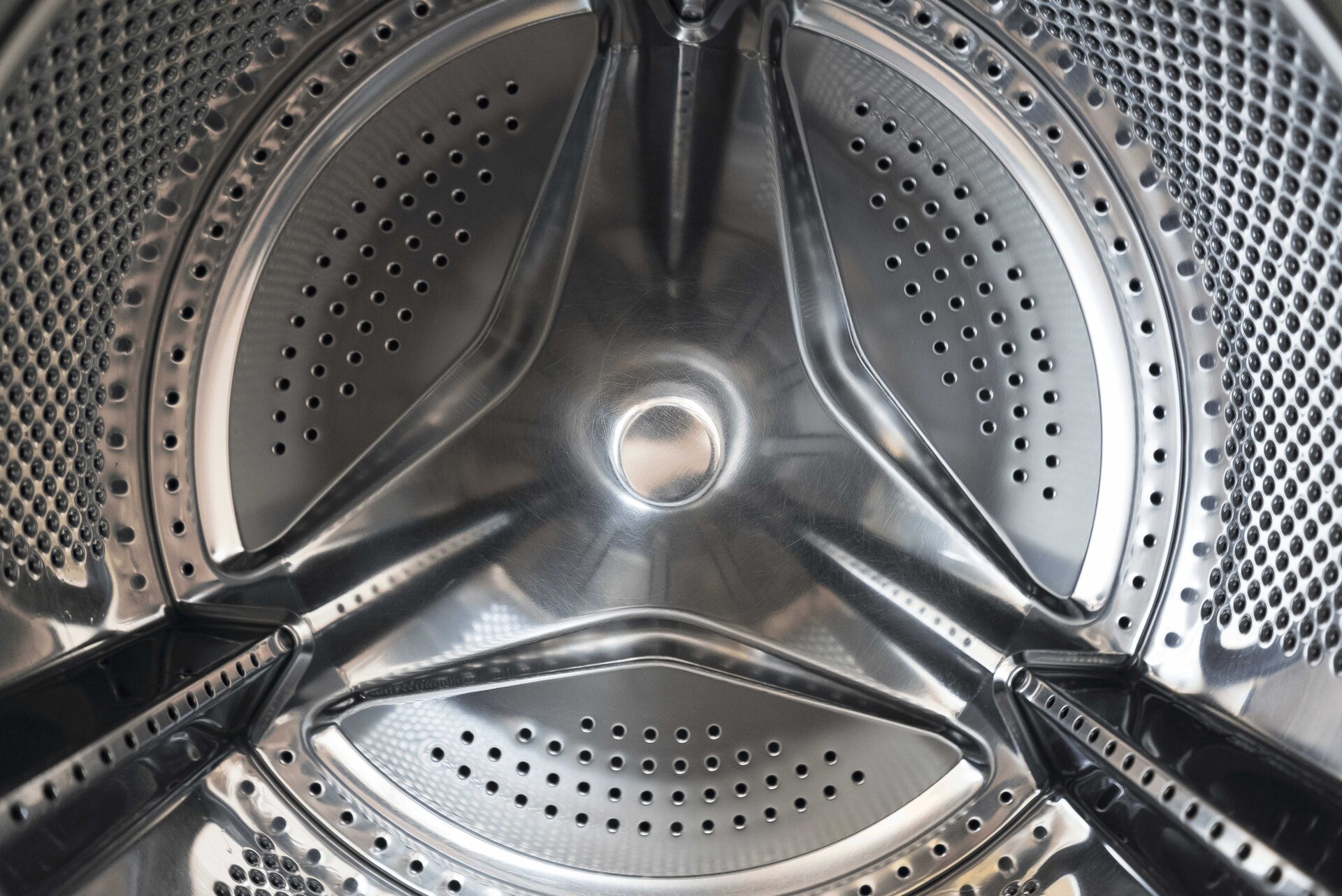
    Inside the drum of a front-loading washing machine
    What goes into your washing machine ends up on your skin and in waterways. Photo: Charrine Liu, via Wikimedia Commons, CC BY-SA 3.0

    What makes a laundry detergent “toxic”?

    Laundry detergent is not something you eat, so “toxic” here usually means ingredients that can irritate skin and lungs, persist in the environment, or carry long-term health concerns. The main ones to watch for:

    • Synthetic fragrance: the most common cause of skin reactions to laundry products. Fragrance formulas don’t have to be disclosed ingredient by ingredient.
    • Optical brighteners: chemicals that stay on fabric to make whites look whiter under light. They do not clean, and can irritate sensitive skin.
    • Dyes: purely cosmetic, and an unnecessary irritant.
    • 1,4-dioxane: a likely carcinogen that can form as a by-product when some surfactants are made (ethoxylation). It is not listed on labels because it is a contaminant, not an ingredient. New York State now limits how much 1,4-dioxane household cleaning products can contain.
    • Preservatives such as methylisothiazolinone (MIT), a known skin sensitiser.
    • Plastic packaging and PVA pods: not a health issue for you, but a waste and microplastics concern.

    Certifications worth trusting

    • EWG VERIFIED: the Environmental Working Group reviews full ingredient disclosure (including fragrance) and excludes ingredients on its list of chemicals of concern.
    • National Eczema Association (NEA) Seal of Acceptance: the product is free of ingredients on the NEA’s list of known eczema triggers and has been reviewed with testing data.
    • EcoLogo / UL ECOLOGO and EPA Safer Choice: environmental and human health criteria for cleaning products.
    • “Free & Clear” or “Fragrance-free”: useful, but unverified on its own. Prefer products that also carry one of the certifications above.

    The best non-toxic laundry detergents

    1. ATTITUDE Free and Clear Liquid Laundry Detergent: best overall

    ATTITUDE is a Canadian brand, and its Nature+ unscented laundry detergent is EWG Verified, meaning EWG has reviewed the full formula. It is fragrance- and dye-free, plant-based, works in HE and standard machines and in cold water, and comes in a recyclable bottle with refill boxes available. It is one of the best-reviewed free-and-clear detergents on Amazon.ca.

    Good for: families, sensitive skin, anyone who wants a liquid that behaves like a conventional detergent.
    Watch out for: it is less aggressive on heavy stains than enzyme detergents, so pre-treat.

    Check the price of ATTITUDE Free and Clear on Amazon · 160-load refill box

    2. Blueland Free & Clear Laundry Tablets: best plastic-free

    Blueland’s Free & Clear tablets are fragrance- and dye-free and enzyme-based, and carry both the EWG Verified mark and the NEA Seal of Acceptance. They come in plastic-free packaging, with no PVA film, so there is no plastic jug or pod wrapper to dispose of. Drop one tablet in the drum per load.

    Good for: zero-waste households and small spaces.
    Watch out for: tablets can dissolve slowly in very cold, short cycles; place them at the bottom of the drum.

    Check the price of Blueland Free & Clear tablets on Amazon

    3. Seventh Generation Free & Clear: best widely available

    Seventh Generation’s Free & Clear is plant-based, unscented and dye-free, and you will find it in most supermarkets as well as online. It is a reliable everyday choice if you are switching away from a scented conventional detergent.

    Check the price of Seventh Generation Free & Clear on Amazon

    4. Nellie’s Laundry Soda, Fragrance Free: best powder

    Nellie’s is a Canadian brand whose powdered laundry soda is sold in a metal tin or refill bag and uses a very low dose per load (a single small scoop). It is fragrance-free and phosphate-free, and works well in hard water.

    Check the price of Nellie’s Laundry Soda on Amazon

    5. Molly’s Suds Unscented: simplest ingredient list

    Molly’s Suds powder has a short, readable ingredient list and no fragrance or optical brighteners. It is popular with people who want to know exactly what is in their laundry.

    Check the price of Molly’s Suds on Amazon

    6. Soap berries: the most natural option (our product)

    Soap berries are simply the dried fruit of the soapberry tree, with nothing added. They contain no fragrance, dyes, preservatives or optical brighteners, and the shells are reusable and compostable. Independent tests show they clean less effectively than conventional detergents on heavy stains, so they are best for everyday loads with stains pre-treated. Read our full guide to soap nuts.

    Shop soap berries at Greener Living (disclosure: our own product).

    Comparison table

    DetergentTypeFragrance-freeCertificationPlastic-free
    ATTITUDE Free and ClearLiquidYesEWG VerifiedRefill box option
    Blueland Free & ClearTabletsYesEWG Verified, NEA SealYes
    Seventh Generation Free & ClearLiquidYesCheck labelNo
    Nellie’s Laundry SodaPowderYes (fragrance-free version)Check labelTin or refill bag
    Molly’s Suds UnscentedPowderYesCheck labelVaries
    Soap berriesWhole shells / liquidYesNone (single ingredient)Yes

    How to get the most from a natural detergent

    • Pre-treat stains. Plant-based detergents usually have fewer or no enzymes, so treat grease, grass and food stains first.
    • Don’t overdose. More detergent leaves residue, which attracts dirt and irritates skin.
    • Skip fabric softener and dryer sheets. They are a major source of fragrance. Try wool dryer balls instead.
    • Wash cold for most loads to save energy; see our sustainable laundry guide.

    Frequently asked questions

    What is the least toxic laundry detergent?

    Look for a fragrance-free, dye-free detergent with full ingredient disclosure and an independent certification such as EWG Verified or the NEA Seal of Acceptance. ATTITUDE Free and Clear and Blueland Free & Clear meet both tests. Single-ingredient soap berries are the simplest option of all.

    Is “natural” laundry detergent the same as non-toxic?

    No. “Natural” and “non-toxic” are marketing terms with no legal definition. Natural ingredients, including essential oils, can still irritate skin. Check the ingredient list and certifications.

    Do natural detergents clean as well?

    For everyday laundry, a good plant-based detergent cleans well. For heavy stains, enzyme-based detergents have the edge, which is why pre-treating stains matters.

    Related guides

  • Soap Nuts: What They Are, How to Use Them, and Do They Work?

    Soap Nuts: What They Are, How to Use Them, and Do They Work?

    Updated November 2026. Disclosure: the team behind this site sells soap berries through Greener Living Products. We have tried to give you an honest picture, including where soap nuts fall short.

    Soap nuts (also sold as soap berries or wash nuts) are one of the oldest laundry detergents in the world, and one of the simplest. This guide explains what they are, how to use them in a modern washing machine, how to make a liquid soap nut detergent, and what independent testing says about whether they actually work.

    What are soap nuts?

    Soap nuts are the dried fruit shells of the soapberry tree, Sapindus, most commonly Sapindus mukorossi, which grows in the foothills of the Himalayas in India and Nepal. Despite the name, they are not nuts: they are berries, which is why they are generally considered fine for people with nut allergies. The fruit is harvested, the hard black seed is removed, and the shells are dried in the sun.

    The shells contain saponins, natural surfactants that make up roughly 10 to 15% of the dried shell by weight. When soap nuts are agitated in water, the saponins are released and lower the water’s surface tension, helping it lift oil and dirt from fabric and hold it in the wash water, which is the same basic job a synthetic surfactant does in conventional detergent.

    Dried soap nuts (soap berries) from the Sapindus tree
    Dried soap nut shells. Photo: Sailesh Patnaik, via Wikimedia Commons, CC BY-SA 4.0

    Soap nuts have been used for washing clothes, hair and household items in India and Nepal for centuries. In Hindi they are known as reetha or ritha.

    How to use soap nuts in a washing machine

    1. Put 4 to 6 soap nut shells in a small cotton or muslin bag and tie it tightly so shells can’t escape into the drum.
    2. Put the bag in the drum with your clothes, not in the detergent drawer.
    3. Wash as normal. Soap nuts release the most saponin in warm water (30–40°C / 86–104°F). For cold washes, soak the bag in a cup of hot water for 5 minutes first and pour the water and bag into the drum.
    4. Take the bag out after the cycle and let it dry on the side of the machine.
    5. Reuse the same shells for 4 to 6 loads (fewer in hot washes). When they turn soft, grey, thin and stop feeling slightly sticky when wet, they are spent.
    6. Compost the spent shells.

    Soap nuts produce very few suds, which is normal and does not mean they are not working. Their low-sudsing nature makes them suitable for high-efficiency (HE) machines.

    How many soap nuts per load?

    • Small or lightly soiled load: 4 shells
    • Normal full load: 5 to 6 shells
    • Large load, hard water or heavier soiling: 7 to 8 shells, plus stain pre-treatment

    How to make liquid soap nut detergent

    A liquid works better in cold washes, dissolves evenly, and can be used for hand washing and household cleaning.

    1. Add 12 to 15 soap nut shells to 1 litre (4 cups) of water in a pot.
    2. Bring to a boil, then simmer for 20 to 30 minutes, mashing the shells occasionally.
    3. Let it cool, strain through a fine sieve or cloth, and pour into a clean bottle.
    4. Use 2 to 3 tablespoons (30–45 ml) per load.
    5. Store it in the fridge and use within about two weeks, as it has no preservatives.

    If you’d rather not make your own, Greener Living sells a ready-made soap berry liquid concentrate along with whole soap berries.

    Do soap nuts actually work?

    Yes, for everyday laundry, with limits. Independent testing is clear that soap nuts do not match modern detergents on stain removal. A Norwegian study by Laitala and Kjeldsberg (2012) compared soap nuts, laundry balls and other alternatives with regular detergent and found conventional detergent cleaned significantly better across soil types, and Germany’s consumer testing organisation Stiftung Warentest came to a similar conclusion.

    That fits how most people use them in practice: soap nuts do a good job on the bulk of household laundry, clothes worn once, bedding, towels, baby clothes, but they are not a stain remover. Our honest summary:

    • Good for: everyday loads, sensitive skin, people avoiding fragrance and optical brighteners, delicates and wool, and anyone trying to cut plastic packaging.
    • Not great for: heavily soiled work clothes, grass and grease stains, and whites that need brightening.

    The practical solution: pre-treat stains with a stain bar or oxygen bleach, and keep a small amount of a conventional or enzyme detergent for the dirtiest loads.

    Soap nuts vs regular detergent

    Soap nutsConventional detergent
    Cleaning power on stainsModerateStrong (enzymes, brighteners)
    Fragrance and dyesNoneUsually added (free & clear versions available)
    PackagingMinimal, compostable shellsPlastic jug or pods
    Cost per loadLow (shells reused)Varies
    Fabric softener needed?Usually notOften used
    Best water temperatureWarm (or pre-soaked)Hot or cold

    Other ways to use soap nuts

    • Hand washing: soak 2 to 3 shells in a bowl of hot water, then add cool water and wash delicates.
    • All-purpose cleaner: use diluted soap nut liquid in a spray bottle for counters and sinks.
    • Wool and silk: the gentle wash is kind to protein fibres. See our guide to washing a wool sweater.
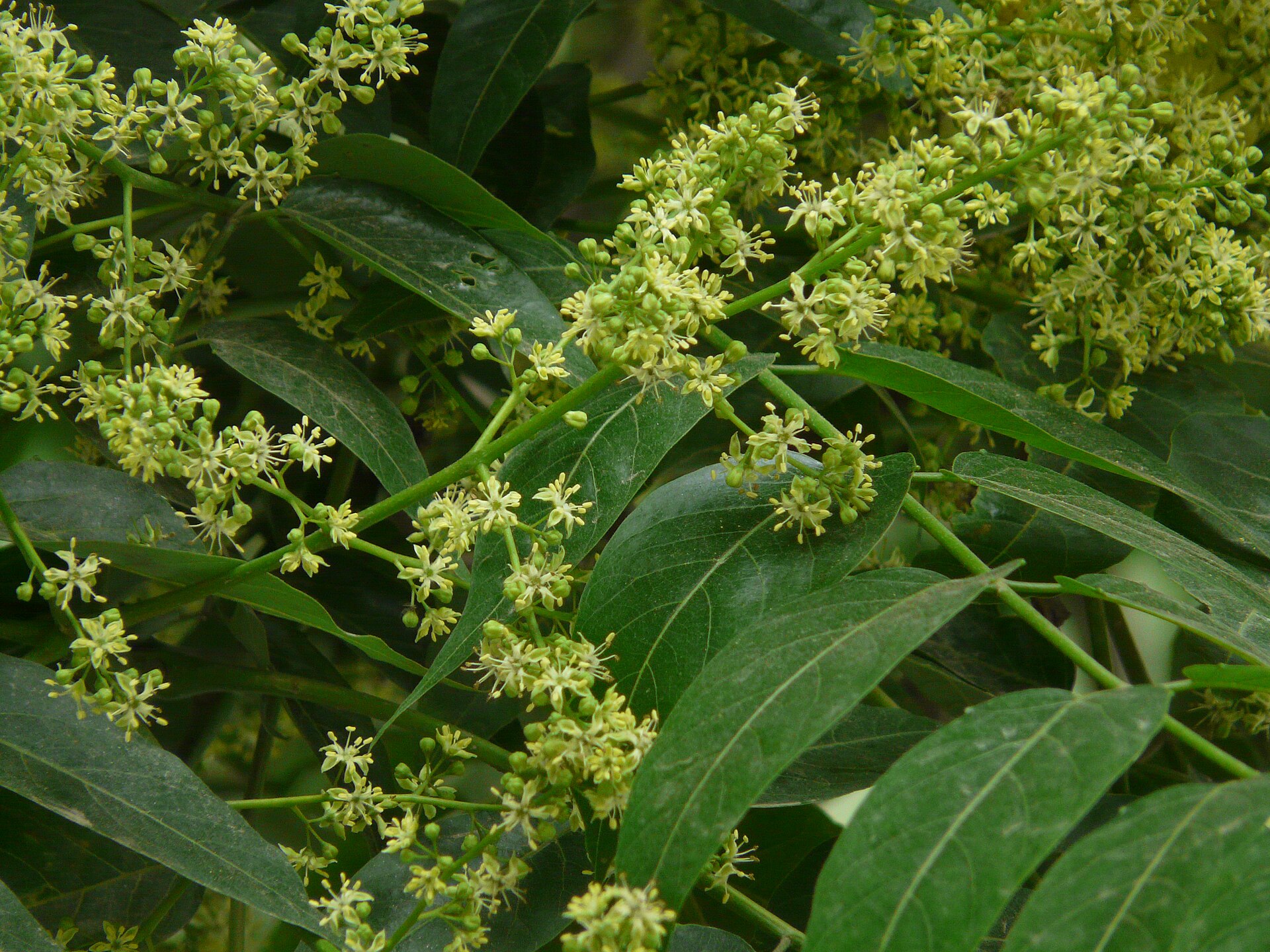
    Sapindus mukorossi, the soapnut tree, in flower
    The soapnut tree, Sapindus mukorossi. Photo: Dinesh Valke from Thane, India, via Wikimedia Commons, CC BY-SA 2.0

    Are soap nuts sustainable?

    Soap nuts are a renewable, plant-based product and the spent shells are compostable. The main environmental cost is shipping them from South Asia, though they are light and compact. Saponins are biodegradable, but like any surfactant they are toxic to aquatic life in high concentrations, so they are better sent to a treatment plant or septic system than poured straight into a stream. Research has found that aerobic treatment breaks saponins down efficiently.

    Frequently asked questions

    Are soap nuts safe for people with nut allergies?

    Soap nuts are berries, not tree nuts, and are generally considered safe for people with nut allergies. If you have severe allergies, ask your doctor before trying any new product.

    Can soap nuts be used in cold water?

    Yes, but pre-soak the bag in hot water or use a liquid soap nut concentrate, as saponins release slowly in cold water.

    Do soap nuts make clothes smell?

    They are unscented and leave clothes smelling of nothing in particular. Some people add a few drops of essential oil to the bag. Avoid this if you have sensitive skin.

    Are soap nuts good for sensitive skin?

    Many people with sensitive skin prefer them because they contain no fragrance, dyes or optical brighteners. See our guide to the best laundry detergent for sensitive skin for other options.

    Where can I buy soap nuts in Canada?

    Greener Living sells whole soap berries and a liquid concentrate in Canada.

    Related guides

    Sources

    • Laitala, K. & Kjeldsberg, M. (2012). Cleaning effect of alternative laundry products.
    • Stiftung Warentest, test of soap nuts and horse chestnuts as laundry detergents.
    • Waran et al., “Comparing the environmental impacts and toxicity of laundry detergents with soapnuts and other tree-based natural surfactants”, Tekstilna industrija / TEDI (2025).
  • How Much Do Garment Workers Earn? Minimum Wage vs Living Wage

    How Much Do Garment Workers Earn? Minimum Wage vs Living Wage

    Updated November 2026. The people who sew the world’s clothes are among the lowest-paid manufacturing workers anywhere. This explainer compares legal minimum wages in major garment-producing countries with what it actually costs to live, and explains why the gap persists.

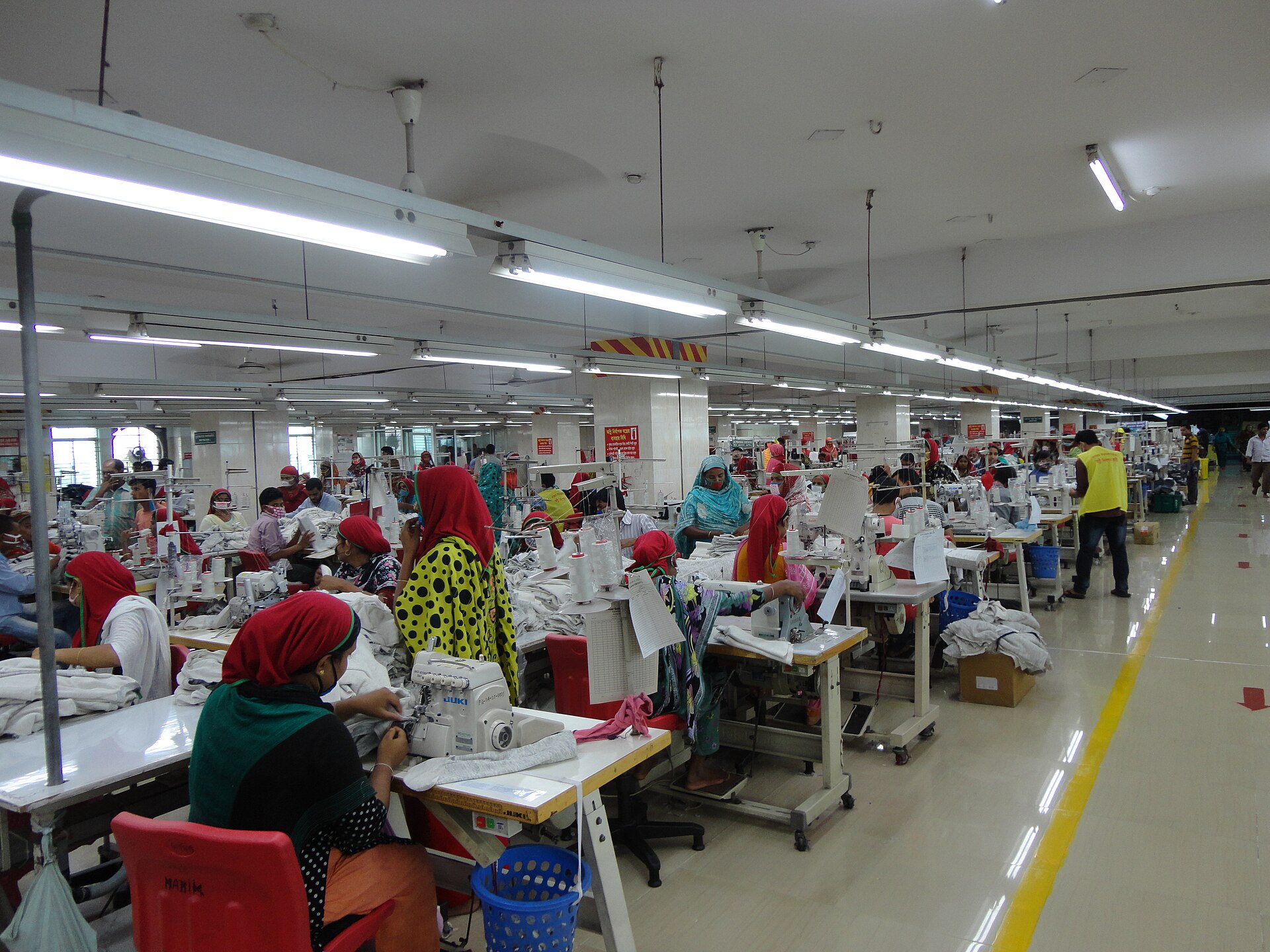
    Rows of garment workers at sewing machines in a Bangladesh factory
    Photo: Fahad Faisal, via Wikimedia Commons, CC BY-SA 4.0

    Minimum wage vs living wage

    A minimum wage is the lowest pay a country’s law allows. A living wage is what a worker needs, in a standard working week without overtime, to afford a decent standard of living for themselves and their family: food, housing, healthcare, education, clothing, transport and a small amount for emergencies. In most garment-producing countries, the legal minimum is well below a living wage.

    Garment worker wages by country

    CountryMonthly garment minimum wage (approx.)Notes
    Bangladesh12,500 taka (about US$101)Set in late 2023. A new wage structure is due from December 1, 2026 after mass protests.
    CambodiaUS$210Set annually for the garment and footwear sector.
    VietnamUS$140–210Varies by region.
    China (Guangdong)US$286–378Varies by city within the province.

    Figures are as reported in November 2026 and converted at recent exchange rates; they change with each wage review and currency movement.

    Bangladesh: the 2026 wage fight

    Bangladesh has around 4 million garment workers, about half of them women. Its minimum wage was raised from 8,000 to 12,500 taka in 2023, which unions said was still far too low. Since then, inflation averaging around 9% has eroded what that pay buys. In November 2026, tens of thousands of workers protested, demanding 30,000 taka a month. Many workers report earning around 13,000 to 15,000 taka with overtime and cutting back on food and healthcare. The government formed a six-member wage board including owner and worker representatives, and both sides agreed a new wage structure will take effect from December 1, 2026, with the size of the increase still to be decided.

    Why wages stay low

    • Price pressure: brands negotiate hard on price, and factories compete internationally for orders.
    • Fear of losing orders: governments worry that raising wages will push brands to cheaper countries.
    • Weak bargaining power: union organising is often restricted.
    • Labour is a small share of the price: the wages of the person who sewed a garment are usually a tiny fraction of its retail price, so the cost to brands of paying more is relatively small, but the pressure to cut it still flows down the chain.

    What would help

    • Brands committing to pay prices that cover a living wage, and ring-fencing labour costs in negotiations.
    • Binding agreements with unions, and freedom for workers to organise.
    • Transparency: publishing supplier lists and wage data.
    • Shoppers buying fewer, better-made clothes and asking brands about living wages.

    For the wider picture, read our guide to working conditions in the global garment industry.

    Sources

    • Al Jazeera, “‘Going hungry’: Garment workers in Bangladesh say wages barely cover needs” (3 November 2026).
    • Al Jazeera, “Bangladesh forms wage board as garment workers protest” (1 November 2026).
    • Reuters, “Behind Bangladesh’s garment boom, workers cut food, healthcare as wages fall short” (November 2026).
    • Dawn / AFP, “BD garment workers reject 56pc pay rise” (8 November 2023).
  • The Environmental Impact of Clothing: Carbon, Water, Chemicals and Waste

    The Environmental Impact of Clothing: Carbon, Water, Chemicals and Waste

    Updated November 2026. Clothing touches almost every environmental issue: climate change, water scarcity, chemical pollution, microplastics and waste. This guide explains where the impacts come from across a garment’s life, which numbers are reliable, and which changes matter most.

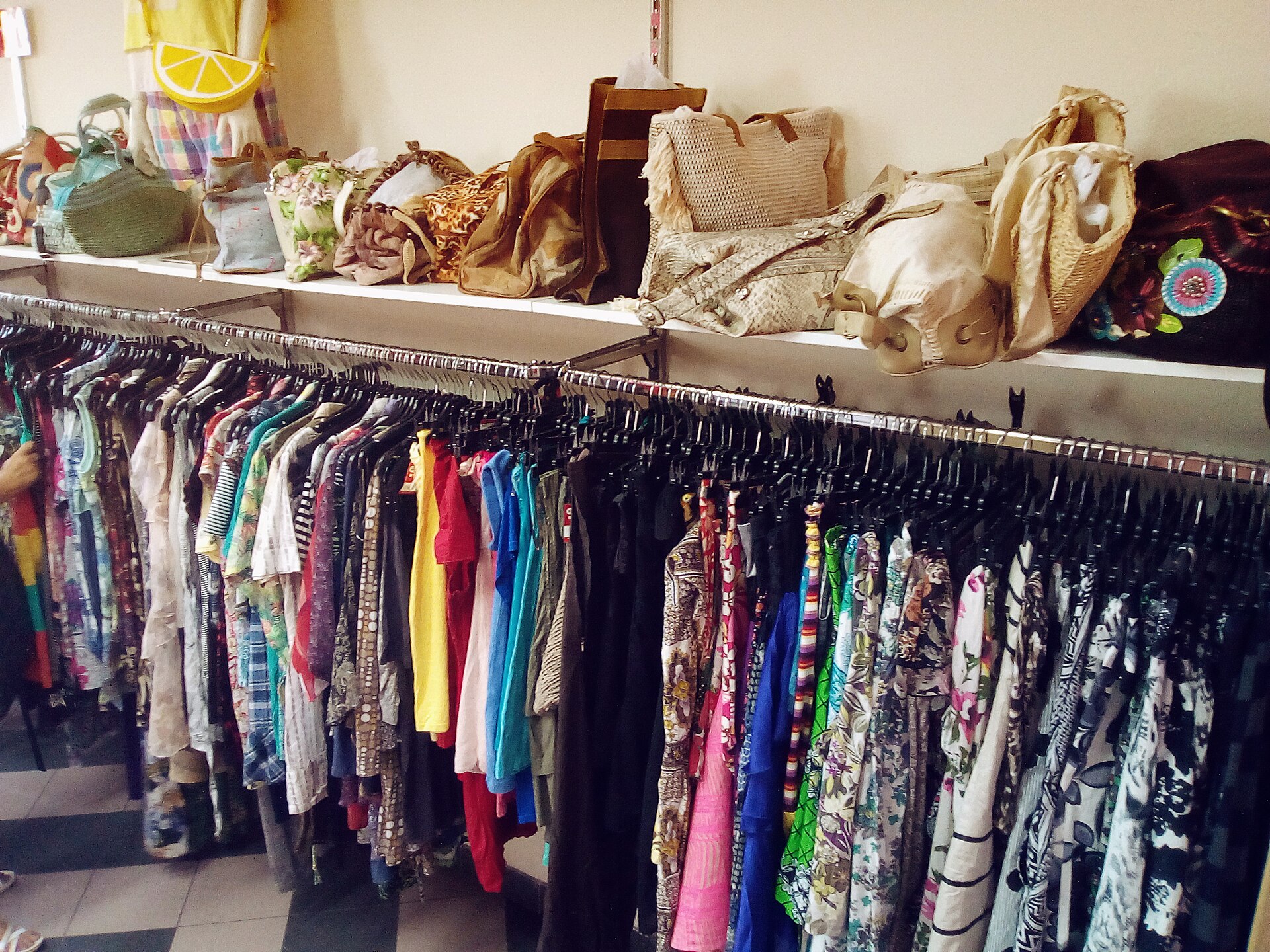
    Racks of clothing in a second-hand shop
    Photo: MAKY.OREL, via Wikimedia Commons, CC BY-SA 4.0

    How big is fashion’s carbon footprint?

    You will often read that fashion produces 10% of global emissions, “more than international flights and shipping combined”. Estimates actually vary widely depending on what is counted. The UN Environment Programme has put the industry at between 2% and 8% of global greenhouse gas emissions, and scientific studies span roughly 3% to 10%. Whatever the exact figure, it is significant, and it is growing as production rises.

    Most emissions come from manufacturing, especially fibre production, spinning, dyeing and finishing in countries whose electricity grids still rely on coal and gas. The UN has noted that global clothing and footwear production is concentrated in Asia and depends heavily on coal and natural gas for power.

    Where in a garment’s life do the impacts happen?

    1. Fibre production: growing cotton (water, pesticides, land) or extracting oil for polyester.
    2. Yarn and fabric: spinning, weaving and knitting are energy-intensive.
    3. Wet processing: dyeing and finishing use large amounts of water, heat and chemicals.
    4. Cut, make and transport: smaller shares of the total than most people expect.
    5. Use: washing, drying and ironing. A UNEP life-cycle assessment attributed about 24% of the sector’s emissions to the use phase.
    6. End of life: landfill, incineration, or export to secondhand markets that are often overwhelmed.

    Water use and water pollution

    The global textile and clothing industry used an estimated 79 billion cubic metres of water in 2015, according to figures cited by the European Parliament. Much of this goes to irrigating cotton, often in regions already short of water. Textile dyeing and finishing are also estimated to cause around 20% of global clean-water pollution, as untreated wastewater is released into rivers near factories.

    Microplastics

    Synthetic fibres such as polyester, nylon and acrylic now make up the majority of fibre produced. They shed tiny plastic fibres when washed: the UN estimates around half a million tonnes of microfibres reach the ocean each year. Our sustainable laundry guide explains how to reduce shedding at home.

    Waste

    Clothes are being worn fewer times before they are thrown away, and very little textile waste is recycled into new clothing. Most of what is collected for “recycling” is resold secondhand, downcycled into insulation or rags, or ends up in landfill, including in importing countries such as Ghana and Kenya where secondhand bales arrive faster than they can be sold.

    Which fabrics have the lowest impact?

    There is no perfect fibre, but some are generally better than others. Our sustainable fabrics guide compares cotton, organic cotton, linen, hemp, wool, viscose, lyocell and polyester side by side.

    What makes the biggest difference?

    • Wear clothes for longer. Extending the life of clothing is one of the most effective ways to cut its footprint, because it avoids the impacts of making a replacement.
    • Buy less, and buy better. Choose durable items you will wear many times.
    • Buy secondhand and pass on what you no longer wear.
    • Wash cold, wash less, and line dry.
    • Repair rather than replace.
    • Push brands to switch factories to renewable energy and publish their supply chains.

    Sources

    • UN Environment Programme, fashion communication and life-cycle research.
    • UN News, launch of the UN Alliance for Sustainable Fashion (2019).
    • European Parliament, “The impact of textile production and waste on the environment” (infographic).
    • Science Feedback, review of fashion emissions estimates (3–10%).
  • Working Conditions in the Global Garment Industry: What You Need to Know

    Working Conditions in the Global Garment Industry: What You Need to Know

    Updated November 2026. Almost every piece of clothing you own was sewn by hand, by someone sitting at a sewing machine. This guide explains who those workers are, what their jobs are like, how wages and safety have changed since the Rana Plaza disaster, and what actually helps.

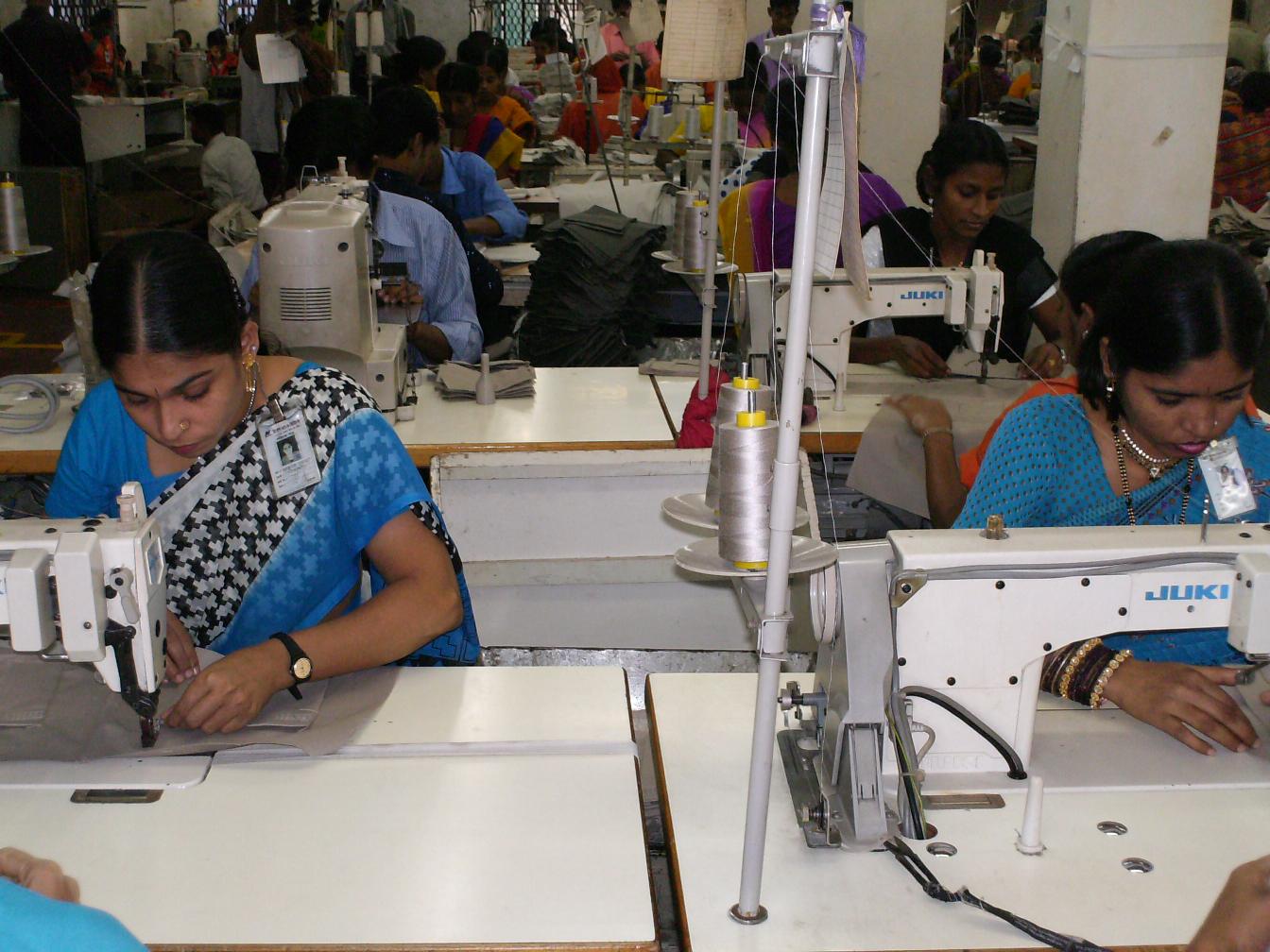
    Garment workers at sewing machines on a factory floor
    Photo: Iamtheboo, via Wikimedia Commons, CC BY-SA 3.0

    Who makes our clothes?

    The garment sector is one of the world’s largest manufacturing employers, with an estimated 94 million workers worldwide. The International Labour Organization (ILO) estimated that the Asia-Pacific region alone employed about 65 million garment workers in 2019, roughly three-quarters of the global total. Most are women, many of them young migrants from rural areas taking their first formal job.

    The biggest exporters include China, Bangladesh, Vietnam, India, Cambodia, Indonesia, Turkey and Pakistan. In Bangladesh, the world’s second-largest clothing exporter after China, around 4 million people work in garment factories, and the industry earns more than 80% of the country’s export income.

    The main problems

    Low wages

    Legal minimum wages in most producing countries are far below what researchers calculate as a living wage: enough to cover food, housing, healthcare, education, transport and a small saving for a family. Read our explainer on how much garment workers earn for country-by-country figures.

    Excessive overtime

    Because base pay is low, many workers rely on overtime to get by, and tight delivery deadlines push factories to demand it. Shifts of 10 to 12 hours, six days a week, are common in peak season, and overtime is not always voluntary or properly paid.

    Unsafe buildings and workplaces

    Fires, building collapses, poor ventilation, blocked exits and exposure to chemicals and cotton dust have all killed and injured garment workers. The worst industrial accident in the sector’s history was the collapse of the Rana Plaza building near Dhaka in April 2013, which killed more than 1,100 people and injured thousands more. Workers had been ordered back into the building the day after cracks appeared in its walls.

    Restrictions on organising

    Workers who form or join unions often face dismissal, blacklisting or intimidation. Without collective bargaining, workers have little power to negotiate pay or report abuses safely.

    Harassment and discrimination

    Because the workforce is largely female and supervisors are often male, verbal abuse, sexual harassment and pregnancy-related discrimination are recurring problems documented by unions and NGOs.

    Hidden and home-based work

    Not all garment work happens in factories. Embroidery, beading and finishing are often subcontracted to home-based workers, who are paid by the piece and largely invisible in official statistics and brand audits.

    What has changed since Rana Plaza?

    After Rana Plaza, more than 200 brands and retailers signed the Accord on Fire and Building Safety in Bangladesh, a legally binding agreement with unions that funded independent inspections and repairs in over a thousand factories. It was renewed in 2021 as the International Accord for Health and Safety in the Textile and Garment Industry, and has expanded to Pakistan. Factory safety in Bangladesh’s export sector improved substantially as a result.

    Wages have moved more slowly. Bangladesh raised its garment minimum wage from 8,000 to 12,500 taka a month in late 2023, but unions said it was still far too low. In November 2026, tens of thousands of workers protested again, demanding 30,000 taka as inflation squeezed household budgets; the government set up a new wage board, and owners and workers agreed that a new wage structure will take effect from December 1, 2026.

    Why audits alone don’t fix it

    Most brands rely on social audits, where inspectors visit factories to check conditions. Audits can catch obvious problems, but they are often announced in advance, can miss subcontracted work, and do not change the purchasing practices (low prices, late changes and short lead times) that push factories into excessive overtime. Binding agreements between brands and unions, like the Accord, have generally been more effective than voluntary codes.

    What you can do

    • Buy less and keep it longer. Less demand for ultra-cheap, fast-turnover clothing reduces pressure on factories.
    • Ask brands direct questions: Do you publish your supplier list? Have you signed the International Accord? Do you pay a living wage, and how do you measure it?
    • Look for credible certifications such as Fair Trade Certified factories, and brands that publish detailed supply chain information.
    • Support worker-led organisations and campaigns, such as the Clean Clothes Campaign and Labour Behind the Label.
    • Buy secondhand and care for what you own so it lasts.

    For students and educators

    This topic suits case-study teaching. See our educator resources for discussion questions and project ideas.

    Sources

    • ILO, The supply chain ripple effect: How COVID-19 is affecting garment workers and factories in Asia and the Pacific (2020).
    • WRAP, garment workforce estimates.
    • Al Jazeera, Reuters and AFP reporting on Bangladesh garment wage protests and the wage board (November 2026).
    • bdnews24.com, “Bangladesh forms minimum wage board amid labour unrest” (1 November 2026).
    • International Accord for Health and Safety in the Textile and Garment Industry.
  • How to Wash Clothes Sustainably (and Make Them Last Longer)

    How to Wash Clothes Sustainably (and Make Them Last Longer)

    Updated November 2026. Most of a garment’s environmental footprint is locked in before you buy it, but how you wash it decides how long it lasts, and a garment you keep for years is the most sustainable one you can own. This guide covers the habits that make the biggest difference: washing less, washing colder, choosing a gentler detergent, cutting microfibre shedding, and drying without wrecking fabric.

    Why laundry matters more than you think

    A UN Environment Programme life-cycle assessment found the “use phase” (washing, drying and ironing) accounts for roughly a quarter of the clothing sector’s greenhouse gas emissions. Heating water and running a tumble dryer are the biggest parts of that. Washing also wears fabric out: every cycle loosens fibres, fades dyes and stretches seams, which is why a t-shirt that is washed after every wear looks tired long before one that is aired and worn twice.

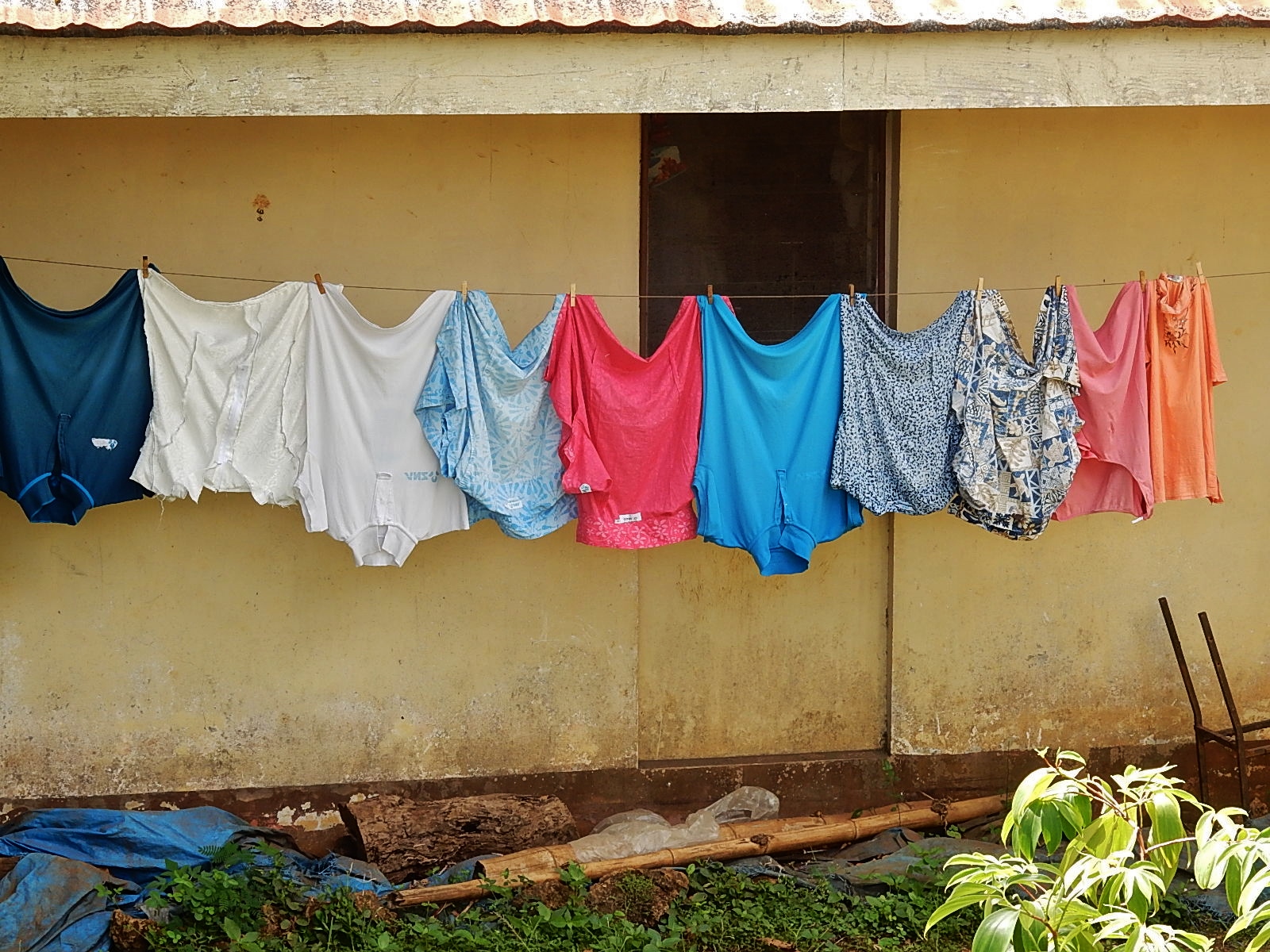
    Colourful laundry drying on a washing line outdoors
    Photo: Michael Coghlan from Adelaide, Australia, via Wikimedia Commons, CC BY-SA 2.0

    So sustainable laundry has two goals: use less energy and water per load, and do less damage per wash so clothes last longer.

    1. Wash less often

    The single biggest change is simply washing clothes when they are dirty rather than when they have been worn once.

    • Jeans: many denim makers suggest washing every 5 to 10 wears, or when they actually smell or are stained.
    • Sweaters and wool: wool resists odour naturally. Air it overnight and spot-clean; wash a few times a season.
    • Outer layers: jackets, hoodies and trousers worn over other clothes rarely need washing weekly.
    • Underwear, socks, gym kit: wash after each wear. That is what laundry is for.

    Airing clothes on a hanger by an open window, brushing off dried mud, and spot-cleaning a small stain with a damp cloth will often save a full cycle.

    2. Wash cold (30°C / 86°F or lower)

    Most of the energy a washing machine uses goes into heating water. Modern detergents are formulated to work at 30°C or even 20°C, and most everyday loads come out just as clean. Cold washing is also gentler: it reduces shrinkage and colour fading. Save hot washes for bedding, towels, cloth nappies and anything heavily soiled or used by someone who is ill.

    3. Wash full loads (but don’t overstuff)

    A full drum uses water and energy more efficiently than two half loads. But leave a hand’s width of space at the top of the drum: clothes need room to move for the detergent to work, and overpacking increases friction, which wears fabric faster.

    4. Choose a gentler detergent, and use less of it

    Most people use more detergent than they need. Overdosing leaves residue in fabric, which attracts dirt and stiffens towels, and sends more surfactant down the drain. Check the dosing guide for soft water and lightly soiled loads; it is usually less than the cap holds.

    When choosing a detergent, look for:

    • Concentrated formulas (less packaging and transport per wash).
    • Plant-based, readily biodegradable surfactants.
    • No added optical brighteners or synthetic fragrance if you have sensitive skin.
    • Refill or plastic-free packaging.

    5. Soap berries (soap nuts): an honest look

    Disclosure: the team behind this site sells soap berries through Greener Living Products. We have tried to give you the full picture, including where they fall short.

    Soap berries, often called soap nuts, are the dried fruit shells of the Sapindus tree, native to India and Nepal, where they have been used for washing for centuries. The shells contain saponins, natural surfactants that lift oils and grime when agitated in water. They are a fruit, not a nut.

    What they do well

    • Everyday loads: worn-once clothes, bedding, towels and lightly soiled items.
    • Sensitive skin: they are fragrance-free and contain no optical brighteners, which many people with sensitive skin or eczema prefer to avoid.
    • Waste: a small bag of shells is reused for several loads, and the spent shells can go in your compost.
    • Delicates and wool: the gentle wash is kind to fibres and leaves no residue, so you can usually skip fabric softener.

    Where they fall short

    Independent tests have found conventional detergents clean better on heavy soiling. A Norwegian study by Laitala and Kjeldsberg compared soap nuts, laundry balls and other alternatives with regular detergent and found the conventional detergent removed stains more effectively, and Germany’s consumer testing organisation Stiftung Warentest reached a similar conclusion. That matches our own experience: soap berries are excellent for everyday washing, but they are not a stain remover.

    Our practical advice:

    • Pre-treat stains (grease, grass, blood, makeup) before washing, whatever you use.
    • Use soap berries for most loads, and keep a small amount of conventional or oxygen-based cleaner for very dirty work clothes or sports kit.
    • Soap berries work best in warm water. For cold washes, soak the bag in a cup of hot water for a few minutes first, or use a liquid soap berry concentrate.

    How to use soap berries

    1. Put 4 to 6 shells in the small cotton bag they come with and tie it shut.
    2. Drop the bag in the drum with your clothes (not the detergent drawer).
    3. Wash as normal. Leave the bag in for the rinse; it won’t affect your clothes.
    4. Take the bag out and let it dry between washes. Reuse until the shells turn soft, grey and thin (usually 4 to 6 loads), then compost them.

    A liquid soap berry concentrate is the easier option for cold washes and for people who don’t want to fish a bag out of the machine. Greener Living’s soap berries and organic liquid detergent are available in Canada. For more detail, read our full soap nuts guide, or compare options in the best non-toxic laundry detergents.

    6. Cut microfibre shedding from synthetics

    Polyester, nylon and acrylic shed tiny plastic fibres every time they are washed, and the UN estimates around half a million tonnes of microfibres reach the ocean each year. You can reduce your share:

    • Wash synthetics less often and on cooler, shorter cycles.
    • Use a microfibre-catching wash bag or a filter fitted to your machine’s outflow.
    • Wash full loads; less space means less friction.
    • Skip the tumble dryer for fleece and activewear.
    • When buying new, favour natural fibres or tightly woven fabrics for items you’ll wash often.

    7. Dry without a dryer where you can

    Tumble dryers are among the most energy-hungry appliances in a home, and the heat and tumbling shrink and break down fibres (the lint in the filter is your clothes). Line or rack drying saves energy and makes clothes last longer.

    • Shake garments out and hang them while damp to reduce wrinkles and ironing.
    • Dry knitwear flat so it keeps its shape.
    • Dry dark colours inside out and out of direct sun to stop fading.
    • If you use a dryer, choose a lower heat, clean the lint filter every load, and use wool dryer balls to shorten drying time.

    8. Fabric-by-fabric quick guide

    FabricWashDryTip
    Cotton30°C, regular cycleLine dryHot washes and dryers shrink it
    Linen30–40°C, gentleLine dry, iron dampGets softer with every wash
    WoolCold, wool cycle or hand washFlatAir between wears; see how to wash wool
    DenimCold, inside outLine dryWash every 5–10 wears
    Polyester / fleeceCold, short cycle, in a filter bagLine dryBiggest microfibre shedder
    Viscose / rayonCold, gentleLine dryWeak when wet; don’t wring
    SilkHand wash, coldFlat, out of sunGentle soap only

    Laundry tools that help clothes last

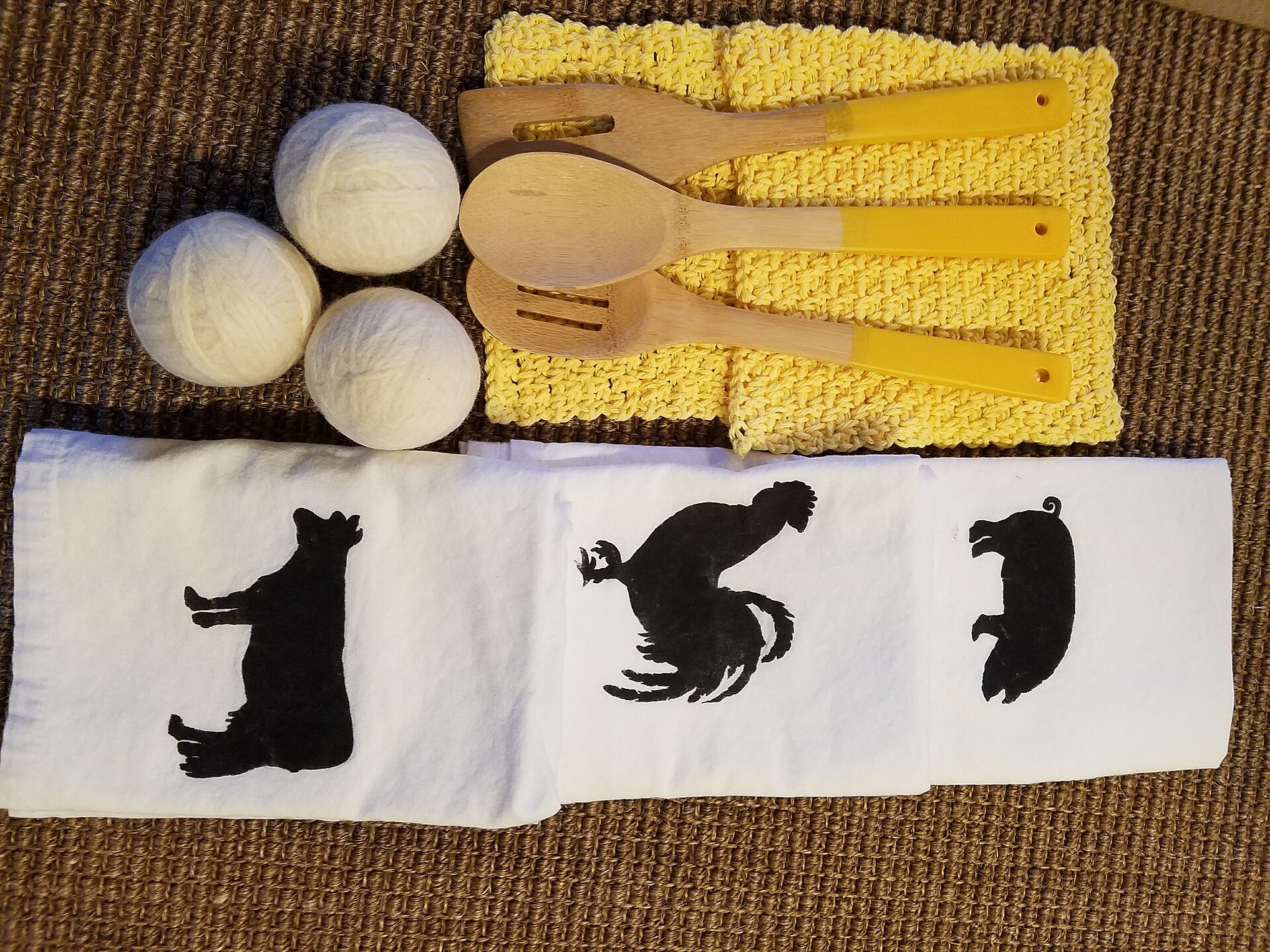
    Handmade felted wool dryer balls
    Wool dryer balls: see our pick on Amazon. Photo: Jude Brown, via Wikimedia Commons, CC BY-SA 2.0

    These are affiliate links. As an Amazon Associate we earn from qualifying purchases, at no extra cost to you.

    • Microfibre-catching wash bag: wash fleece, activewear and other synthetics inside a filter bag such as the GUPPYFRIEND to trap shed fibres and reduce pilling. Filter bags such as the GUPPYFRIEND are sold by outdoor and zero-waste retailers.
    • Wool dryer balls: a reusable alternative to dryer sheets that shortens drying time when you do use the dryer. We like this 6-pack of XL New Zealand wool dryer balls on Amazon.
    • Folding drying rack: the simplest way to skip the dryer, indoors or out. The Amazon Basics foldable drying rack is cheap, sturdy and very well reviewed.
    • Mesh laundry bags: protect delicates, bras and knitwear from snagging in the drum. These PrettyCare zippered mesh laundry bags on Amazon are a reliable choice.
    • Fabric shaver (de-piller): removes bobbles from sweaters and makes tired knitwear look new again. The Philips fabric shaver on Amazon is one of the best-reviewed.
    • Stain remover bar: an ox gall or plant-based stain bar for pre-treating stains before washing. Try the Aleva Naturals Stain and Laundry Bar on Amazon.

    The bottom line

    Wash less, wash cold, fill the drum, go easy on detergent and skip the dryer when you can. Those habits cut energy use, save money and, most importantly, keep your clothes looking good for longer. For more on what your clothes are made of, read our guide to sustainable fabrics.

    Sources

    • UN Environment Programme, life-cycle assessment of the clothing sector (use phase ~24% of emissions, 2016 baseline).
    • Laitala, K. & Kjeldsberg, M. (2012). Cleaning effect of alternative laundry products: a comparison of soap nuts, laundry balls, washing pellets, laundry magnets, water and regular detergent.
    • Stiftung Warentest, test of soap nuts and horse chestnuts as laundry detergents.
    • UN News (2019), UN Alliance for Sustainable Fashion launch: microfibre estimates.