Updated November 2026. Almost every piece of clothing you own was sewn by hand, by someone sitting at a sewing machine. This guide explains who those workers are, what their jobs are like, how wages and safety have changed since the Rana Plaza disaster, and what actually helps.
Who makes our clothes?
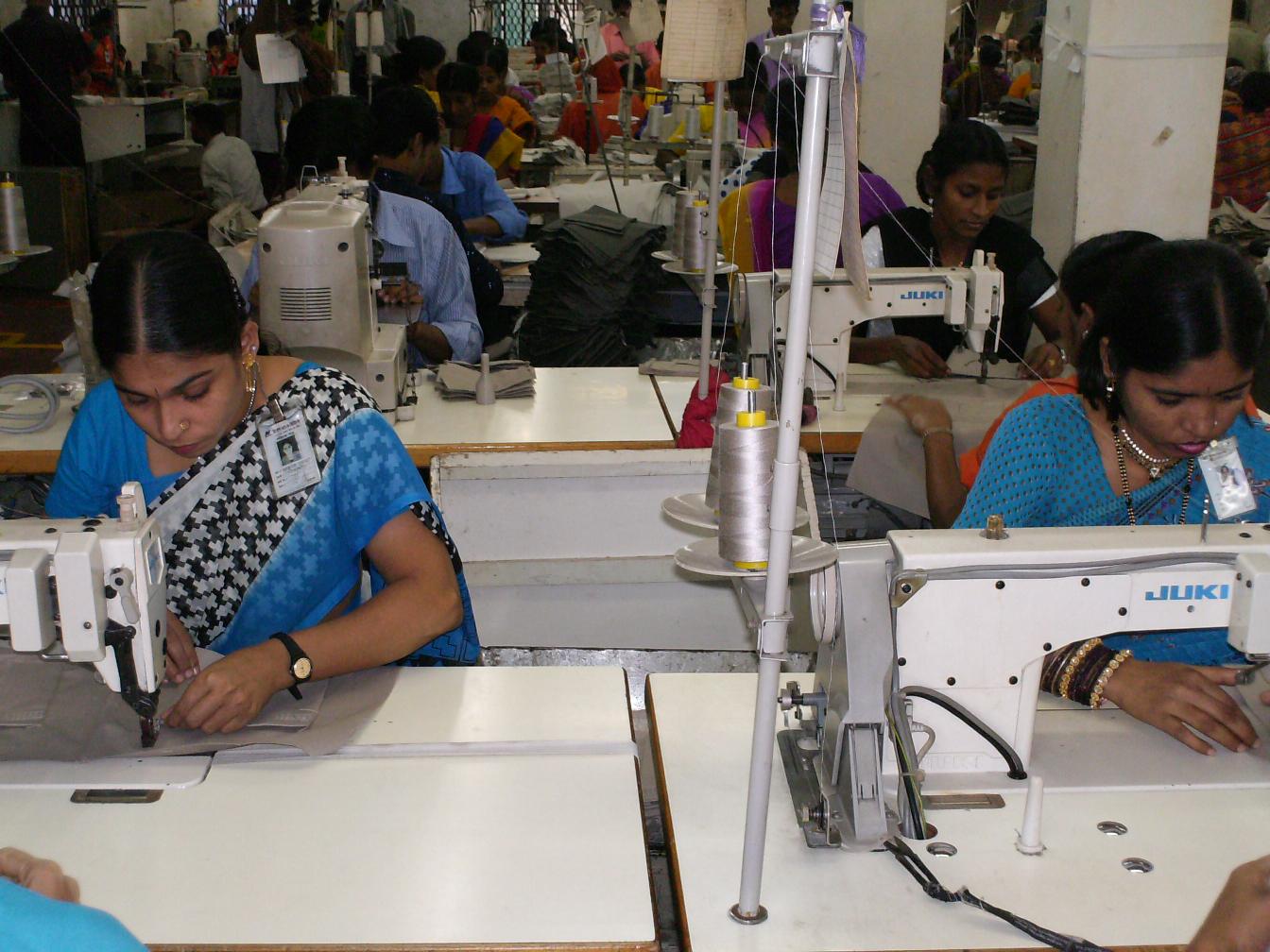
The garment sector is one of the world’s largest manufacturing employers, with an estimated 94 million workers worldwide. The International Labour Organization (ILO) estimated that the Asia-Pacific region alone employed about 65 million garment workers in 2019, roughly three-quarters of the global total. Most are women, many of them young migrants from rural areas taking their first formal job.
The biggest exporters include China, Bangladesh, Vietnam, India, Cambodia, Indonesia, Turkey and Pakistan. In Bangladesh, the world’s second-largest clothing exporter after China, around 4 million people work in garment factories, and the industry earns more than 80% of the country’s export income.
The main problems
Low wages
Legal minimum wages in most producing countries are far below what researchers calculate as a living wage: enough to cover food, housing, healthcare, education, transport and a small saving for a family. Read our explainer on how much garment workers earn for country-by-country figures.
Excessive overtime
Because base pay is low, many workers rely on overtime to get by, and tight delivery deadlines push factories to demand it. Shifts of 10 to 12 hours, six days a week, are common in peak season, and overtime is not always voluntary or properly paid.
Unsafe buildings and workplaces
Fires, building collapses, poor ventilation, blocked exits and exposure to chemicals and cotton dust have all killed and injured garment workers. The worst industrial accident in the sector’s history was the collapse of the Rana Plaza building near Dhaka in April 2013, which killed more than 1,100 people and injured thousands more. Workers had been ordered back into the building the day after cracks appeared in its walls.
Restrictions on organising
Workers who form or join unions often face dismissal, blacklisting or intimidation. Without collective bargaining, workers have little power to negotiate pay or report abuses safely.
Harassment and discrimination
Because the workforce is largely female and supervisors are often male, verbal abuse, sexual harassment and pregnancy-related discrimination are recurring problems documented by unions and NGOs.
Hidden and home-based work
Not all garment work happens in factories. Embroidery, beading and finishing are often subcontracted to home-based workers, who are paid by the piece and largely invisible in official statistics and brand audits.
What has changed since Rana Plaza?
After Rana Plaza, more than 200 brands and retailers signed the Accord on Fire and Building Safety in Bangladesh, a legally binding agreement with unions that funded independent inspections and repairs in over a thousand factories. It was renewed in 2021 as the International Accord for Health and Safety in the Textile and Garment Industry, and has expanded to Pakistan. Factory safety in Bangladesh’s export sector improved substantially as a result.
Wages have moved more slowly. Bangladesh raised its garment minimum wage from 8,000 to 12,500 taka a month in late 2023, but unions said it was still far too low. In November 2026, tens of thousands of workers protested again, demanding 30,000 taka as inflation squeezed household budgets; the government set up a new wage board, and owners and workers agreed that a new wage structure will take effect from December 1, 2026.
Why audits alone don’t fix it
Most brands rely on social audits, where inspectors visit factories to check conditions. Audits can catch obvious problems, but they are often announced in advance, can miss subcontracted work, and do not change the purchasing practices (low prices, late changes and short lead times) that push factories into excessive overtime. Binding agreements between brands and unions, like the Accord, have generally been more effective than voluntary codes.
What you can do
- Buy less and keep it longer. Less demand for ultra-cheap, fast-turnover clothing reduces pressure on factories.
- Ask brands direct questions: Do you publish your supplier list? Have you signed the International Accord? Do you pay a living wage, and how do you measure it?
- Look for credible certifications such as Fair Trade Certified factories, and brands that publish detailed supply chain information.
- Support worker-led organisations and campaigns, such as the Clean Clothes Campaign and Labour Behind the Label.
- Buy secondhand and care for what you own so it lasts.
For students and educators
This topic suits case-study teaching. See our educator resources for discussion questions and project ideas.
Sources
- ILO, The supply chain ripple effect: How COVID-19 is affecting garment workers and factories in Asia and the Pacific (2020).
- WRAP, garment workforce estimates.
- Al Jazeera, Reuters and AFP reporting on Bangladesh garment wage protests and the wage board (November 2026).
- bdnews24.com, “Bangladesh forms minimum wage board amid labour unrest” (1 November 2026).
- International Accord for Health and Safety in the Textile and Garment Industry.
Leave a Reply