Updated November 2026. No fabric is impact-free. Every fibre involves trade-offs between water, energy, chemicals, land, durability and what happens at the end of its life. This guide compares the most common fabrics so you can make better choices when you shop, sew or specify materials.
The quick answer
- Usually better choices: organic or recycled cotton, linen and hemp, responsibly sourced wool, lyocell (TENCEL™), and recycled polyester for items that are rarely washed.
- Use with care: conventional cotton, viscose of unknown origin, virgin polyester and nylon.
- Best of all: the clothes you already own, and good-quality secondhand.
Natural plant fibres
Conventional cotton
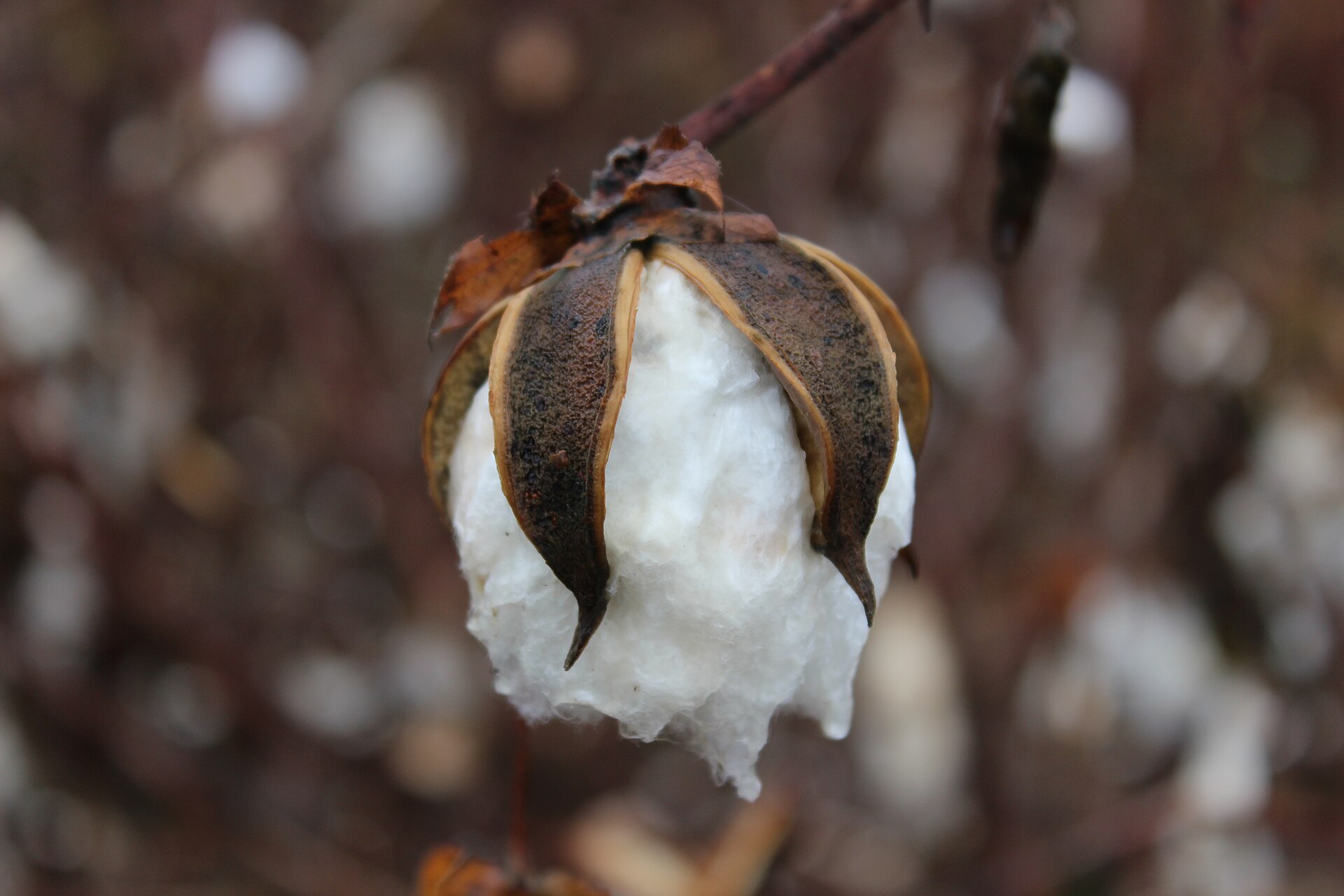
Cotton is breathable, durable and biodegradable, but conventionally grown cotton is thirsty and often relies heavily on pesticides and synthetic fertiliser. Estimates of the water needed for one cotton t-shirt run to around 2,700 litres (roughly 700 gallons), much of it for irrigation in water-stressed regions.
Organic cotton
Organic cotton is grown without synthetic pesticides or fertilisers and is often rain-fed. Look for GOTS (Global Organic Textile Standard) certification, which also covers processing chemicals and some social criteria, or OCS (Organic Content Standard), which verifies organic content only.
Recycled cotton
Made from cutting-room scraps or old garments. It avoids new growing impacts, but the shorter recycled fibres are usually blended with virgin cotton or polyester for strength.
Linen (flax) and hemp
Both grow with little irrigation and few pesticides, and both make strong, long-lasting fabric that softens with washing. European flax and hemp are generally rain-fed. Their main drawbacks are cost and a tendency to wrinkle.
Animal fibres
Wool
Wool is warm, odour-resistant and durable, needs washing far less often than other fibres, and biodegrades. Its footprint depends heavily on farming: sheep produce methane, and land management varies widely. Look for RWS (Responsible Wool Standard) or ZQ certification for animal-welfare and land-management standards, and for non-mulesed merino.
Silk
Silk is luxurious and biodegradable but energy-intensive to process. Peace or Ahimsa silk lets the moth emerge before the cocoon is harvested.
Regenerated (cellulose) fibres
Viscose / rayon
Made from wood pulp dissolved in chemicals. Conventional viscose has been linked to deforestation and to chemical pollution around factories. Look for FSC-certified wood sources and lower-impact production such as LENZING™ ECOVERO™.
Lyocell (TENCEL™) and modal
Lyocell is made in a closed-loop process that recovers most of its solvent, and is often made from certified wood. It is soft, breathable and biodegradable, making it one of the better semi-synthetic choices.
Synthetic fibres
Polyester and nylon
Made from fossil fuels. They are durable, cheap and quick-drying, but they shed microplastic fibres in the wash and do not biodegrade. Producing polyester releases two to three times more carbon than cotton.
Recycled polyester and nylon
Often made from plastic bottles or fishing nets. Recycling reduces the need for virgin oil, but the fabric still sheds microfibres, and most recycled polyester comes from bottles rather than old clothes. It is a good choice for outerwear and gear you wash rarely; see our sustainable laundry guide for reducing shedding.
Fabric comparison table
| Fabric | Water | Chemicals | Microplastics | Biodegradable | Durability |
|---|---|---|---|---|---|
| Conventional cotton | High | High | No | Yes | Good |
| Organic cotton | Medium | Low | No | Yes | Good |
| Linen / hemp | Low | Low | No | Yes | Excellent |
| Wool | Low–medium | Medium | No | Yes | Excellent |
| Viscose (conventional) | Medium | High | No | Yes | Fair |
| Lyocell | Low | Low | No | Yes | Good |
| Polyester / nylon | Low | Medium | Yes | No | Excellent |
| Recycled polyester | Low | Medium | Yes | No | Excellent |
Labels worth knowing
- GOTS: organic fibre plus environmental and social criteria through processing.
- OEKO-TEX® Standard 100: tested for harmful substances in the finished product.
- bluesign®: controls chemicals and resources in production.
- Fair Trade Certified: social standards and premiums for workers or farmers.
- RWS / RDS: animal welfare for wool and down.
- GRS (Global Recycled Standard): verifies recycled content.
Caring for your fabrics
However a fabric was made, the longer you wear it the lower its footprint per wear. Read our guide to washing clothes sustainably for fabric-by-fabric care. For synthetics, a microfibre-catching wash bag such as the GUPPYFRIEND cuts shedding, and a fabric shaver (such as this Philips fabric shaver on Amazon) keeps wool and knits looking new. Affiliate links: as an Amazon Associate we earn from qualifying purchases.