Updated November 2026. Some links are affiliate links: as an Amazon Associate we earn from qualifying purchases.
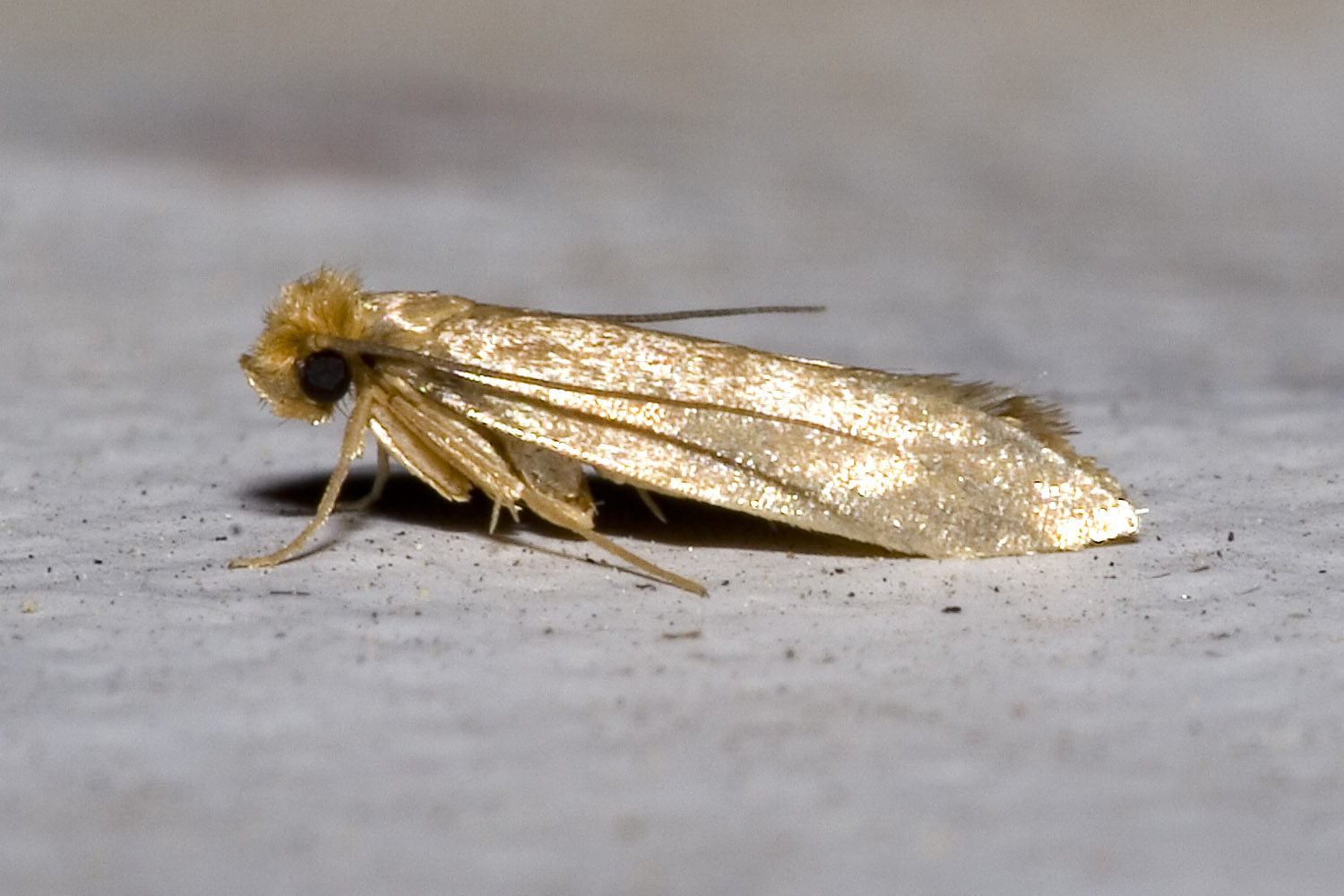
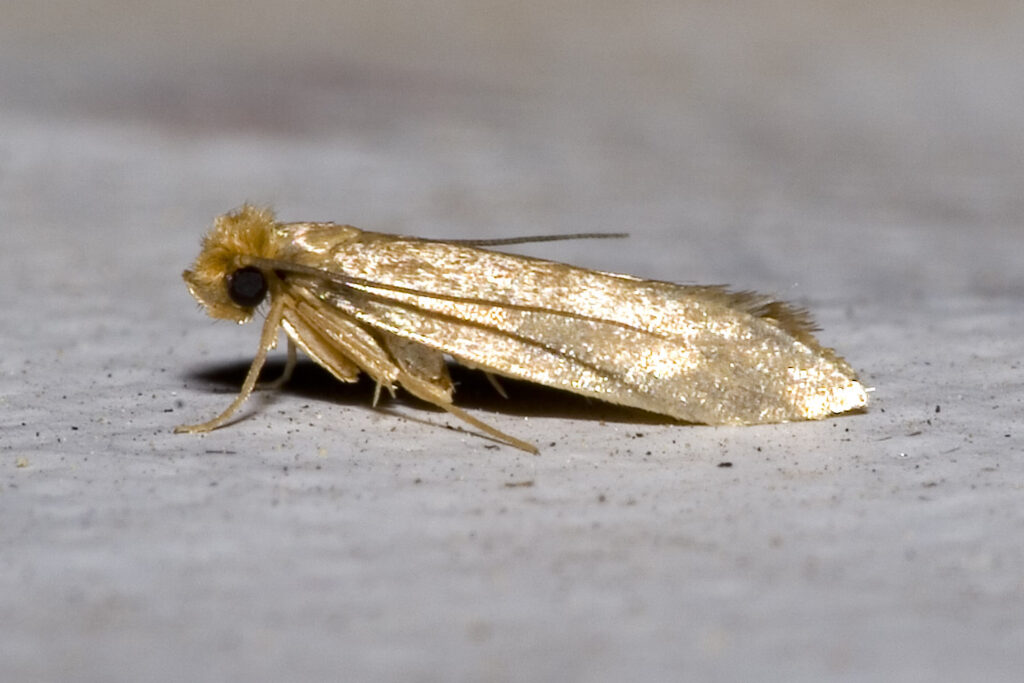
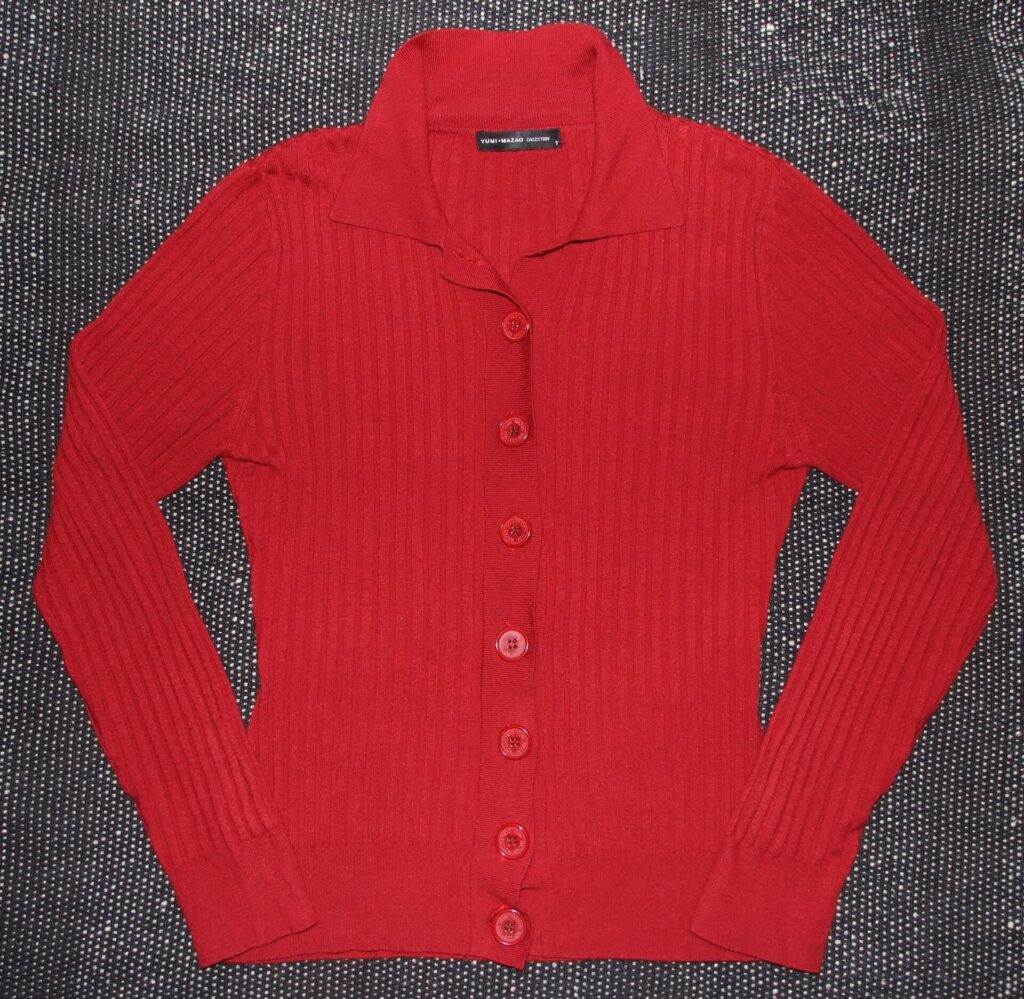
Finding holes in a favourite wool sweater is heartbreaking. Clothes moths are not after the cotton T-shirts; their larvae feed on keratin, the protein in wool, cashmere, silk, fur and feathers, and they prefer items that are stored, undisturbed and slightly soiled. The good news is that a combination of cleaning, careful storage and a few low-toxicity products keeps most closets moth-free without resorting to mothballs.
These are our picks from Amazon.ca for cedar repellents and moth traps, based on product type and buyer reviews. We have not lab-tested them ourselves.
Quick picks
- Best cedar blocks: Homode Cedar Blocks for Clothes Storage, a well-reviewed multi-pack of cedar pieces for closets and drawers
- Best cedar balls: Red Cedar Balls, 100-pack, easy to scatter in drawers and bins
- Best moth traps: MothMag Clothes Moth Traps, pheromone traps to monitor and catch adult clothes moths
The best moth repellents and traps
1. Homode Cedar Blocks: best cedar blocks
Cedar has been used to protect stored wool for generations. Homode’s packs include blocks, rings or hangers you can place in closets, drawers and storage boxes. Cedar’s aromatic oils are thought to deter moths and may harm very young larvae, but the scent fades, so lightly sand the blocks every few months to refresh them. Cedar works best as one part of a wider routine.
Check Homode cedar blocks on Amazon.ca →
2. Red Cedar Balls: best for drawers and bins
Small cedar balls are easy to tuck into sweater drawers, storage bins and the pockets of coats. A 100-pack lets you spread them through the whole house. Like blocks, they need refreshing with sandpaper once the scent fades.
Check cedar balls on Amazon.ca →
3. MothMag Clothes Moth Traps: best traps
Pheromone traps use a scent that attracts male clothes moths onto a sticky card. They do not kill larvae, which do the damage, but they show whether you have moths and how bad the problem is, and they help break the breeding cycle. Make sure you buy traps made for clothes moths rather than pantry moths, which respond to a different pheromone.
Check MothMag traps on Amazon.ca →
Comparison
| Product | What it does | Use it for |
|---|---|---|
| Homode cedar blocks | Repels (mild) | Closets, drawers, storage boxes |
| Cedar balls | Repels (mild) | Drawers, bins, coat pockets |
| MothMag traps | Monitors and catches adult males | Detecting and tracking an infestation |
How to keep moths out of your closet
- Clean before you store. Moth larvae are drawn to sweat, skin oils and food residue. Wash or dry-clean wool before putting it away for the season.
- Store in sealed or tightly woven containers. Lidded bins or breathable cotton garment bags keep adult moths from laying eggs on your clothes.
- Disturb your closet. Moths like dark, undisturbed corners. Moving clothes around, vacuuming and airing them regularly helps.
- Vacuum thoroughly. Pay attention to closet floors, baseboards, under furniture and wool rugs, and empty the vacuum outside afterwards.
- Use traps to monitor. Check traps monthly so you spot a problem early.
- Add cedar or lavender as a deterrent, but do not rely on them alone.
If you already have moths
Look for small holes, silky webbing or tubes, and tiny cream-coloured larvae, especially in seams, collars and folds. Isolate affected items in sealed bags. Washing at the hottest temperature the fabric can tolerate, dry-cleaning, or freezing items in a sealed bag in a deep freezer for several days are commonly recommended ways to kill eggs and larvae. Then clean the closet thoroughly before putting anything back. For a large or persistent infestation, a professional pest control service can help.
Why not mothballs?
Traditional mothballs contain pesticides such as naphthalene or paradichlorobenzene, which give off fumes that are harmful to people and pets, and they only work in a tightly sealed container where the fumes build up. The smell also clings to clothes. Cleaning, sealed storage, traps and cedar are safer and, together, effective.
Frequently asked questions
Does cedar really repel moths?
Cedar oil is a mild deterrent and may harm young larvae, but research suggests it is not enough on its own to protect clothes. Use it alongside cleaning and sealed storage, and refresh it regularly.
Does lavender keep moths away?
Lavender sachets are a pleasant, mild deterrent with a similar limited effect to cedar. They are fine as an extra, not as your main defence.
Can moths eat cotton or synthetics?
Clothes moth larvae need keratin, so they mainly eat animal fibres. They can damage blends and may chew through synthetic or cotton fabric that is soiled with food or sweat.
Leave a Reply