Updated November 2026. Some links are affiliate links: as an Amazon Associate we earn from qualifying purchases.
A loose button, a dropped hem or a split seam should not be the end of a garment, but without a needle and thread at hand it often is. A basic sewing kit lets you make the small repairs that keep clothes in use for years, and mending is one of the most effective things any of us can do to reduce clothing waste. You do not need a sewing machine or any special skill to start.
These are our picks from Amazon.ca, chosen on design, materials, value and the volume and consistency of buyer reviews. We have not lab-tested them ourselves.
Quick picks
- Best overall: JUNING Sewing Kit with Case, a portable kit with tens of thousands of reviews
- Best for beginners: Maxfanay Sewing Kit for Adults, a well-organised, highly rated kit
- Most complete: HYHJMISTY 295-Piece Sewing Kit, for people who want a bit of everything
The best sewing kits for mending
1. JUNING Sewing Kit: best overall
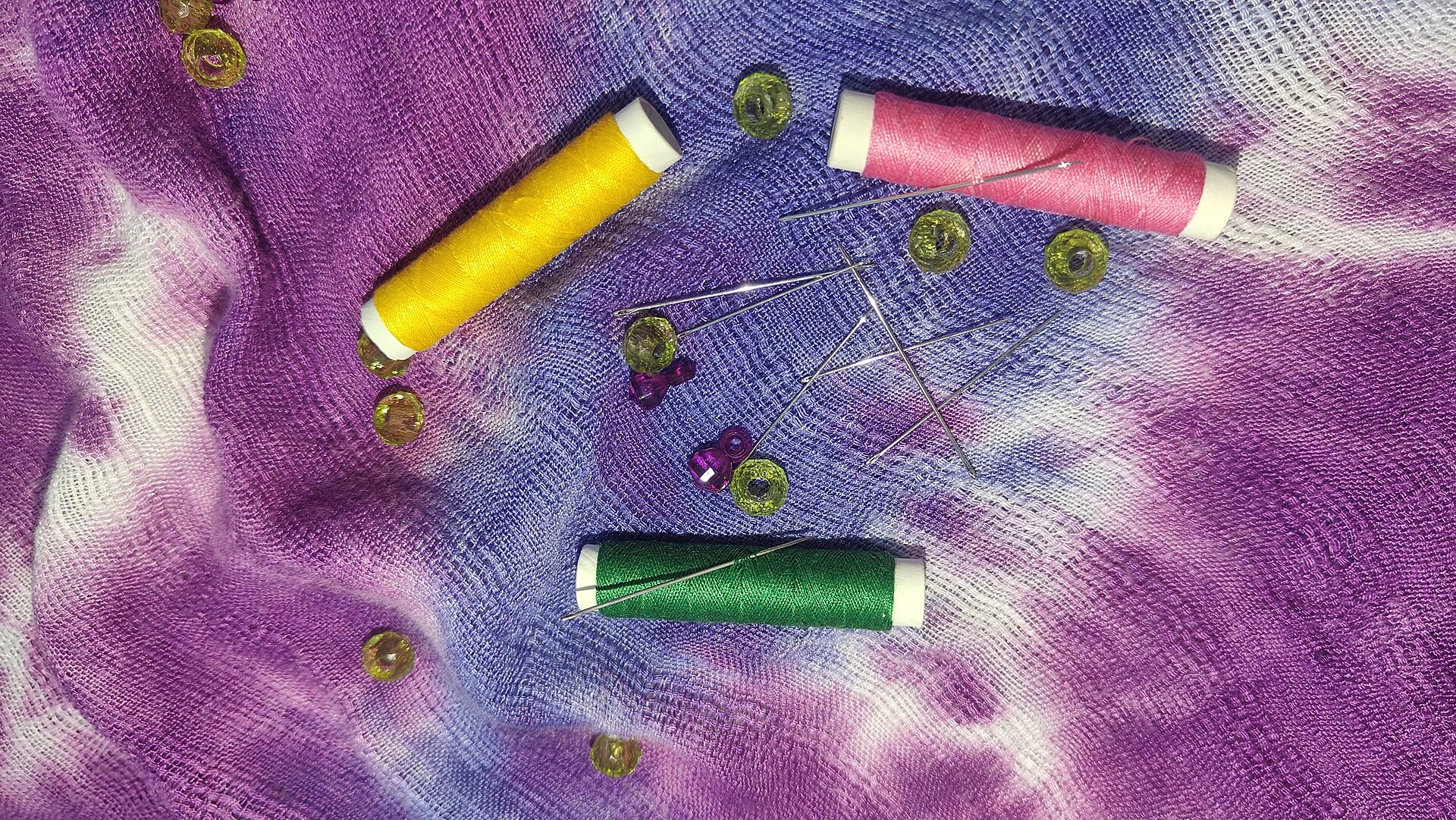
JUNING’s kit comes in a compact case with thread in common colours, needles, scissors, a tape measure, pins and the other basics for everyday repairs. It is one of the most-reviewed sewing kits on Amazon.ca and small enough to keep in a drawer or take travelling.
- Good for: buttons, hems, seams, travel
- Watch for: kit thread is fine for quick fixes; buy better thread for bigger projects
Check the JUNING Sewing Kit on Amazon.ca →
2. Maxfanay Sewing Kit for Adults: best for beginners
Maxfanay’s kit has a very high rating and is laid out so you can find what you need quickly, which matters when you are learning. A good gift for a student leaving home.
- Good for: first-time menders, students
- Watch for: check the listing for exact contents
Check the Maxfanay Sewing Kit for Adults on Amazon.ca →
3. HYHJMISTY 295-Piece Sewing Kit: most complete
If you want more thread colours, needle sizes and notions, this large kit covers a wider range of repairs and small craft projects.
- Good for: families, crafters, more ambitious repairs
- Watch for: larger kits take up more space
Check the HYHJMISTY 295-Piece Sewing Kit on Amazon.ca →
Comparison
| Kit | Size | Best for |
|---|---|---|
| JUNING | Compact | Everyday repairs, travel |
| Maxfanay | Mid-size | Beginners |
| HYHJMISTY | 295 pieces | Wide range of repairs |
What a good mending kit needs
- Hand-sewing needles in a few sizes, including a larger-eyed needle for thicker thread
- Thread in black, white, grey, navy and beige, which covers most repairs
- Small sharp scissors or thread snips
- Pins and a pin cushion
- A thimble, for pushing needles through denim and canvas
- A seam ripper, for undoing stitches cleanly
- A needle threader
- Spare buttons and safety pins
Five repairs anyone can learn
- Sew on a button: use a double thread, stitch through the holes six to eight times, then wrap the thread around the stitches under the button to make a shank before knotting off.
- Fix a hem: a slip stitch or blind hem stitch catches only a thread or two of the outer fabric, so the stitches barely show.
- Mend a split seam: turn the garment inside out and backstitch along the original seam line, overlapping the intact stitches at each end.
- Darn a hole in a sock or sweater: weave thread back and forth across the hole, first in one direction, then across it, like a tiny loom.
- Patch a tear: sew a patch behind or on top of the tear. Visible mending, such as sashiko-style running stitches, turns a repair into a feature.
Why mending matters
Extending the life of clothes is one of the most effective ways to reduce the environmental impact of fashion, because it avoids the resources and emissions needed to make a replacement. Our guide to the environmental impact of clothing explains why. A five-minute repair also saves money, and clothes you have mended yourself tend to become favourites.
Frequently asked questions
Do I need a sewing machine to repair clothes?
No. Almost all everyday repairs, from buttons to hems and small tears, can be done by hand with a basic kit.
What thread should I use?
All-purpose polyester thread is strong and suits most fabrics. Use cotton thread for cotton garments if you prefer a natural fibre, and a heavier thread for denim and canvas.
Where can I learn to mend?
Repair cafés, community centres and libraries often run free mending sessions, and there are many step-by-step videos online. Start with a button and work up from there.
Leave a Reply