Updated November 2026. Some links are affiliate links: as an Amazon Associate we earn from qualifying purchases.
Soap nuts (also sold as soap berries or wash nuts) are one of the oldest laundry detergents in the world, and one of the simplest. This guide explains what they are, how to use them in a modern washing machine, how to make a liquid soap nut detergent, and what independent testing says about whether they actually work.
What are soap nuts?
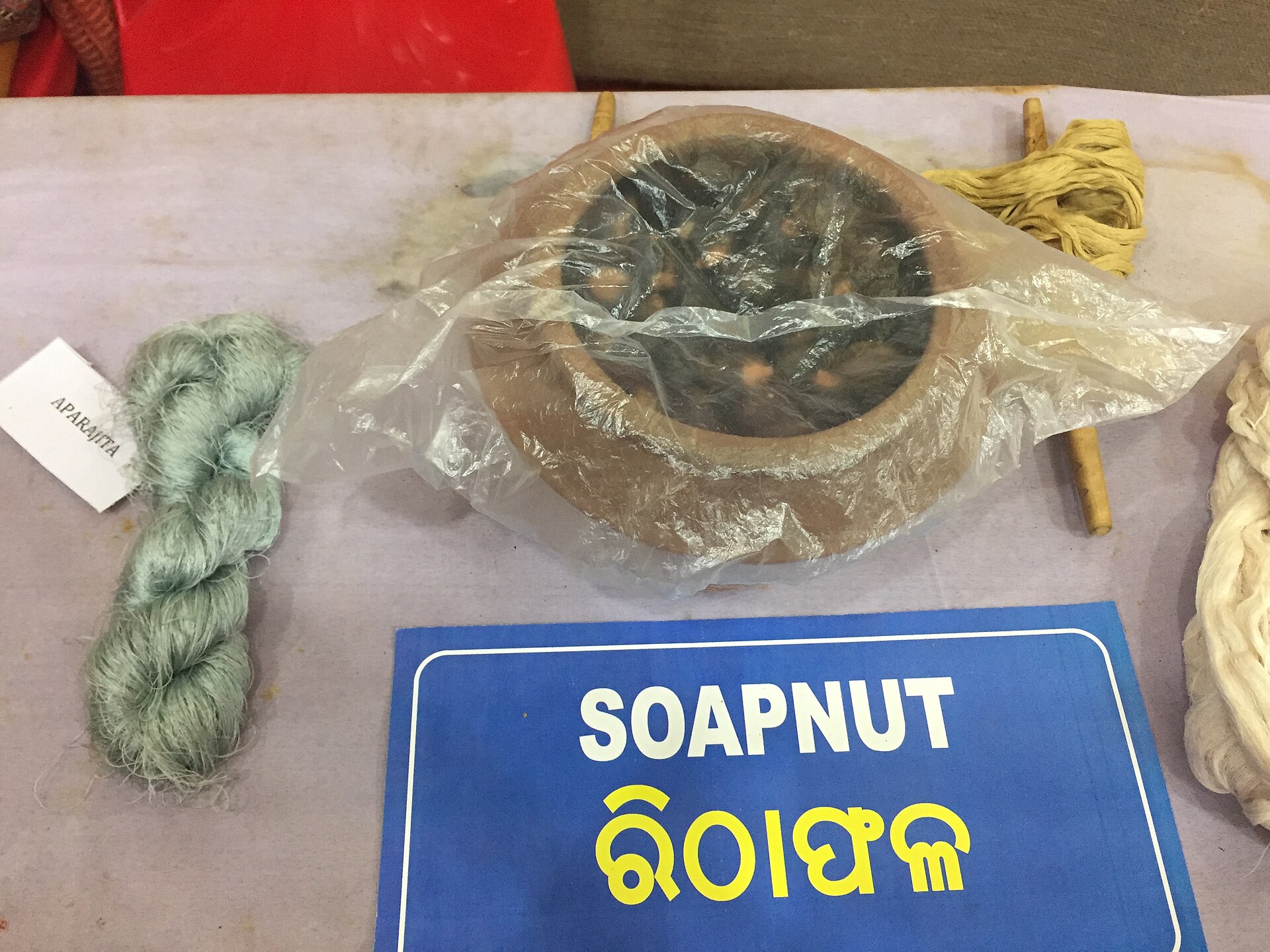
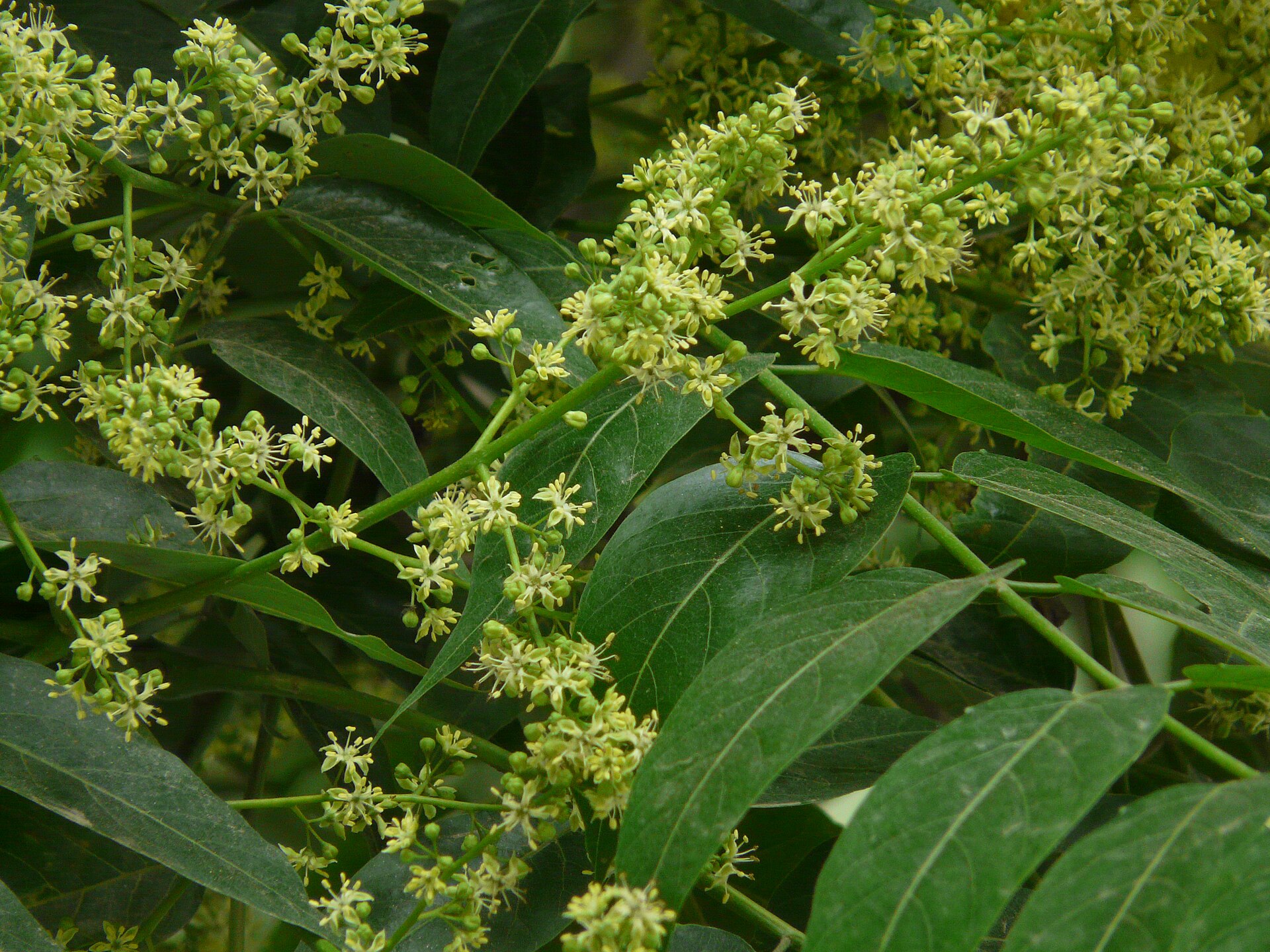
Soap nuts are the dried fruit shells of the soapberry tree, Sapindus, most commonly Sapindus mukorossi, which grows in the foothills of the Himalayas in India and Nepal. Despite the name, they are not nuts: they are berries, which is why they are generally considered fine for people with nut allergies. The fruit is harvested, the hard black seed is removed, and the shells are dried in the sun.
The shells contain saponins, natural surfactants that make up roughly 10 to 15% of the dried shell by weight. When soap nuts are agitated in water, the saponins are released and lower the water’s surface tension, helping it lift oil and dirt from fabric and hold it in the wash water, which is the same basic job a synthetic surfactant does in conventional detergent.
Soap nuts have been used for washing clothes, hair and household items in India and Nepal for centuries. In Hindi they are known as reetha or ritha.
How to use soap nuts in a washing machine
- Put 4 to 6 soap nut shells in a small cotton or muslin bag and tie it tightly so shells can’t escape into the drum.
- Put the bag in the drum with your clothes, not in the detergent drawer.
- Wash as normal. Soap nuts release the most saponin in warm water (30–40°C / 86–104°F). For cold washes, soak the bag in a cup of hot water for 5 minutes first and pour the water and bag into the drum.
- Take the bag out after the cycle and let it dry on the side of the machine.
- Reuse the same shells for 4 to 6 loads (fewer in hot washes). When they turn soft, grey, thin and stop feeling slightly sticky when wet, they are spent.
- Compost the spent shells.
Soap nuts produce very few suds, which is normal and does not mean they are not working. Their low-sudsing nature makes them suitable for high-efficiency (HE) machines.
How many soap nuts per load?
- Small or lightly soiled load: 4 shells
- Normal full load: 5 to 6 shells
- Large load, hard water or heavier soiling: 7 to 8 shells, plus stain pre-treatment
Best soap nuts to buy
Good soap nuts are deseeded (you’re paying for shell, not seed), mostly whole or half shells rather than dust, and labelled with the species, usually Sapindus mukorossi. Our picks on Amazon.ca:
- Best overall: NaturOli Organic Soap Nuts, 2 lb. Deseeded, organic, and one of the best-reviewed soap nut brands. The 2 lb bag covers hundreds of loads.
- Best for trying soap nuts: NaturOli Soap Nuts, 80 loads. A smaller bag if you want to test them before committing.
- Best value bulk bag: SoNatural Organic Soap Nuts, 1 kg. Deseeded organic shells with a wash bag included.
- Extra wash bags: a fine mesh laundry bag works if you lose the cotton bag that comes with your soap nuts.
How to make liquid soap nut detergent
A liquid works better in cold washes, dissolves evenly, and can be used for hand washing and household cleaning.
- Add 12 to 15 soap nut shells to 1 litre (4 cups) of water in a pot.
- Bring to a boil, then simmer for 20 to 30 minutes, mashing the shells occasionally.
- Let it cool, strain through a fine sieve or cloth, and pour into a clean bottle.
- Use 2 to 3 tablespoons (30–45 ml) per load.
- Store it in the fridge and use within about two weeks, as it has no preservatives.
Liquid soap nut detergent is hard to find ready-made, so making your own from whole shells is the easiest route.
Do soap nuts actually work?
Yes, for everyday laundry, with limits. Independent testing is clear that soap nuts do not match modern detergents on stain removal. A Norwegian study by Laitala and Kjeldsberg (2012) compared soap nuts, laundry balls and other alternatives with regular detergent and found conventional detergent cleaned significantly better across soil types, and Germany’s consumer testing organisation Stiftung Warentest came to a similar conclusion.
That fits how most people use them in practice: soap nuts do a good job on the bulk of household laundry, clothes worn once, bedding, towels, baby clothes, but they are not a stain remover. Our honest summary:
- Good for: everyday loads, sensitive skin, people avoiding fragrance and optical brighteners, delicates and wool, and anyone trying to cut plastic packaging.
- Not great for: heavily soiled work clothes, grass and grease stains, and whites that need brightening.
The practical solution: pre-treat stains with a stain bar or oxygen bleach, and keep a small amount of a conventional or enzyme detergent for the dirtiest loads.
Soap nuts vs regular detergent
| Soap nuts | Conventional detergent | |
|---|---|---|
| Cleaning power on stains | Moderate | Strong (enzymes, brighteners) |
| Fragrance and dyes | None | Usually added (free & clear versions available) |
| Packaging | Minimal, compostable shells | Plastic jug or pods |
| Cost per load | Low (shells reused) | Varies |
| Fabric softener needed? | Usually not | Often used |
| Best water temperature | Warm (or pre-soaked) | Hot or cold |
Other ways to use soap nuts
- Hand washing: soak 2 to 3 shells in a bowl of hot water, then add cool water and wash delicates.
- All-purpose cleaner: use diluted soap nut liquid in a spray bottle for counters and sinks.
- Wool and silk: the gentle wash is kind to protein fibres. See our guide to washing a wool sweater.
Are soap nuts sustainable?
Soap nuts are a renewable, plant-based product and the spent shells are compostable. The main environmental cost is shipping them from South Asia, though they are light and compact. Saponins are biodegradable, but like any surfactant they are toxic to aquatic life in high concentrations, so they are better sent to a treatment plant or septic system than poured straight into a stream. Research has found that aerobic treatment breaks saponins down efficiently.
Frequently asked questions
Are soap nuts safe for people with nut allergies?
Soap nuts are berries, not tree nuts, and are generally considered safe for people with nut allergies. If you have severe allergies, ask your doctor before trying any new product.
Can soap nuts be used in cold water?
Yes, but pre-soak the bag in hot water or use a liquid soap nut concentrate, as saponins release slowly in cold water.
Do soap nuts make clothes smell?
They are unscented and leave clothes smelling of nothing in particular. Some people add a few drops of essential oil to the bag. Avoid this if you have sensitive skin.
Are soap nuts good for sensitive skin?
Many people with sensitive skin prefer them because they contain no fragrance, dyes or optical brighteners. See our guide to the best laundry detergent for sensitive skin for other options.
Where can I buy soap nuts in Canada?
Amazon.ca stocks several brands of deseeded soap nuts. Our picks are NaturOli Organic Soap Nuts and SoNatural Organic Soap Nuts. Look for deseeded, whole or half shells from a brand that states the species (Sapindus mukorossi).
Related guides
Sources
- Laitala, K. & Kjeldsberg, M. (2012). Cleaning effect of alternative laundry products.
- Stiftung Warentest, test of soap nuts and horse chestnuts as laundry detergents.
- Waran et al., “Comparing the environmental impacts and toxicity of laundry detergents with soapnuts and other tree-based natural surfactants”, Tekstilna industrija / TEDI (2025).
Leave a Reply