Updated November 2026. Some links are affiliate links: as an Amazon Associate we earn from qualifying purchases.
Silk looks delicate, and it is, but most silk clothing, pillowcases and scarves can be washed at home safely with cool water and a gentle soap. Here is how to hand wash silk, when you can use the washing machine, how to dry and iron it, and which silk items really do need a dry cleaner.
Quick answer: how to wash silk
- Check the care label and test for colour bleeding.
- Fill a basin with cool water (under 30°C / 85°F) and a few drops of silk or delicates wash.
- Submerge the item and gently swish it for 2 to 3 minutes. Don’t soak for long, and don’t rub or wring.
- Rinse in cool water. A splash of white vinegar in the last rinse restores shine.
- Press out water in a towel, then hang or lay flat to dry, out of direct sun.
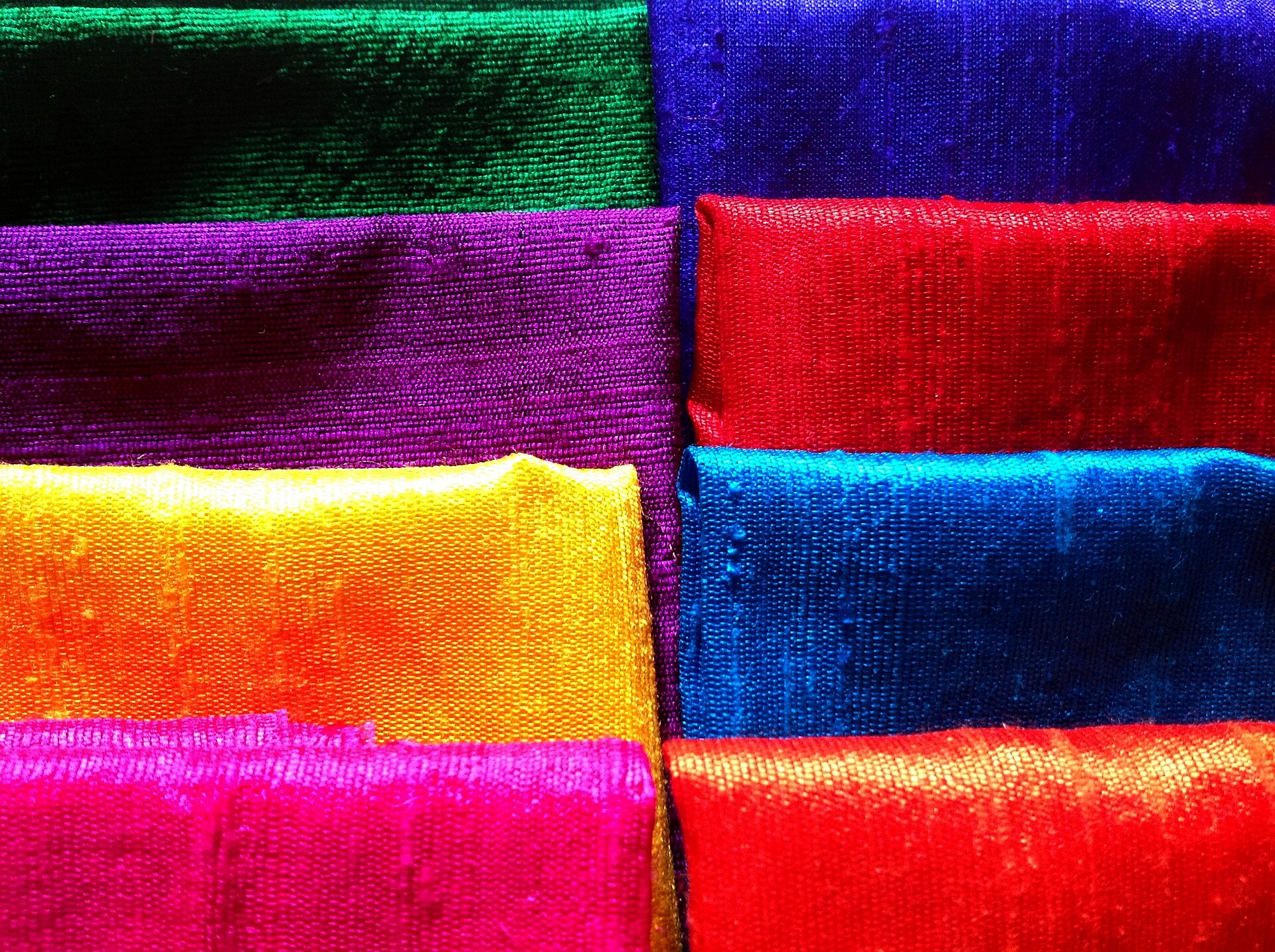
Why silk needs special care
Silk is a natural protein fibre made by silkworms. It is strong when dry but loses a good deal of strength when wet, and it is sensitive to heat, alkaline detergents, enzymes, bleach and sunlight. Rough handling can cause water spots, colour loss, a dull “chalky” look, or tiny splits in the fibres. Gentle washing avoids all of these.
Can you wash silk, or is it dry clean only?
Many silk items labelled “dry clean” can be hand washed, because brands often play safe on labels. But some silk genuinely should go to a dry cleaner:
- Structured garments such as tailored silk jackets, lined dresses and ties, which can lose their shape.
- Taffeta, brocade, and heavily printed or vintage silk, which may shrink, pucker or bleed.
- Items with dyes that bleed in a colourfastness test.
- Anything valuable or irreplaceable.
Washable silks include most silk blouses, camisoles, scarves, pyjamas, pillowcases and silk charmeuse and crepe de chine pieces, as well as any item labelled “hand wash” or “machine washable”.
Do a colourfastness test first
Dampen a white cotton cloth with cool water and a drop of your wash, and dab it on a hidden seam. If colour transfers to the cloth, have the item dry cleaned.
What to wash silk with
Use a pH-neutral, enzyme-free wash made for delicates. Regular detergents are often alkaline and contain enzymes that break down protein, which damages silk.
- Soak Wash: a no-rinse wash suitable for silk, lingerie and wool.
- Woolite Extra Delicates: easy to find and gentle on silk.
- Eucalan Unscented: no-rinse and pH-neutral.
- Baby shampoo works in a pinch, since silk, like hair, is a protein.
Never use bleach, stain removers with enzymes, or fabric softener on silk.
How to hand wash silk (step by step)
- Fill a clean basin with cool or lukewarm water (never hot).
- Add a few drops (about a teaspoon) of silk or delicates wash and mix it in.
- Submerge the silk and gently swish or press it for 2 to 3 minutes. Silk doesn’t need a long soak; five minutes is plenty.
- Rinse in clean, cool water. Add a tablespoon of white vinegar to the final rinse to neutralise any soap residue and bring back the natural lustre.
- Don’t wring. Lift the item out and gently press water out against the side of the basin.
- Towel blot: lay it flat on a clean towel, roll the towel up and press gently.
How to wash silk in the washing machine
If the label allows machine washing, you can use the machine safely:
- Turn the item inside out and put it in a mesh laundry bag to prevent snagging.
- Use the delicate, silk or hand-wash cycle with cold water and the lowest spin.
- Use a small amount of silk or delicates wash.
- Wash silk only with other lightweight delicates.
- Remove it immediately when the cycle ends to avoid creases.
How to dry silk
- Never tumble dry silk. Heat can shrink it, weaken fibres and dull the sheen.
- Hang lightweight items on a padded hanger, or lay heavier pieces flat on a towel or drying rack.
- Keep silk out of direct sunlight, which fades colours and weakens fibres.
- Silk dries quickly, often in a couple of hours.
How to iron silk
- Iron while the silk is still slightly damp, inside out, on the lowest (silk) setting.
- Place a thin cotton pressing cloth between the iron and the fabric to avoid shine marks and scorching.
- Don’t spray water directly on silk, as it can leave water spots. A handheld steamer held a few centimetres away is the gentlest option.
How to wash a silk pillowcase
Silk pillowcases are popular for hair and skin, but they absorb face oils and products, so wash them weekly. Turn them inside out, put them in a mesh bag, and wash on a cold delicate cycle with a silk wash, or hand wash as above. Air dry and avoid fabric softener, which coats the fibres.
How to remove stains from silk
- Act fast and blot (don’t rub) with a clean, damp cloth.
- Sweat and deodorant marks: dab with a 1:1 mix of white vinegar and cool water, then rinse.
- Oil and grease: sprinkle with cornstarch or talc, leave for an hour, brush off, then wash.
- Water spots: wash the whole garment so it dries evenly.
- For red wine, ink or old stains, take the item to a dry cleaner and tell them what the stain is.
Frequently asked questions
Can you wash silk in cold water?
Yes. Cold or cool water is the best choice for silk, as warm and hot water can cause shrinkage and colour loss.
Does silk shrink when washed?
Silk can shrink slightly in hot water or a dryer. Cool water and air drying prevent shrinkage.
Can I use regular laundry detergent on silk?
It’s best not to. Most regular detergents contain enzymes and are alkaline, which can damage silk’s protein fibres. Use a pH-neutral silk or delicates wash.
How do you make silk soft and shiny again?
Add a tablespoon of white vinegar to the final rinse, or a small amount of hair conditioner, then rinse again. Avoid fabric softener.
Leave a Reply