Updated November 2026. Some links are affiliate links: as an Amazon Associate we earn from qualifying purchases.
A good wool blanket can last for generations, but it is also big, heavy when wet and prone to shrinking if washed the wrong way. The good news: wool blankets rarely need a full wash, and when they do, you can safely clean most of them at home in a bathtub or on your machine’s wool cycle. Here’s how.
Quick answer
- Check the care label. If it says “dry clean only” or the blanket is antique or very loosely woven, see the notes below.
- Shake it out and spot-clean any stains first.
- Hand wash in a bathtub of cool water with a wool wash, or machine wash on the wool cycle in cold water with a low spin.
- Don’t wring it. Press out water and roll it in towels.
- Dry it flat or draped evenly over a drying rack, out of direct sun. Never tumble dry.
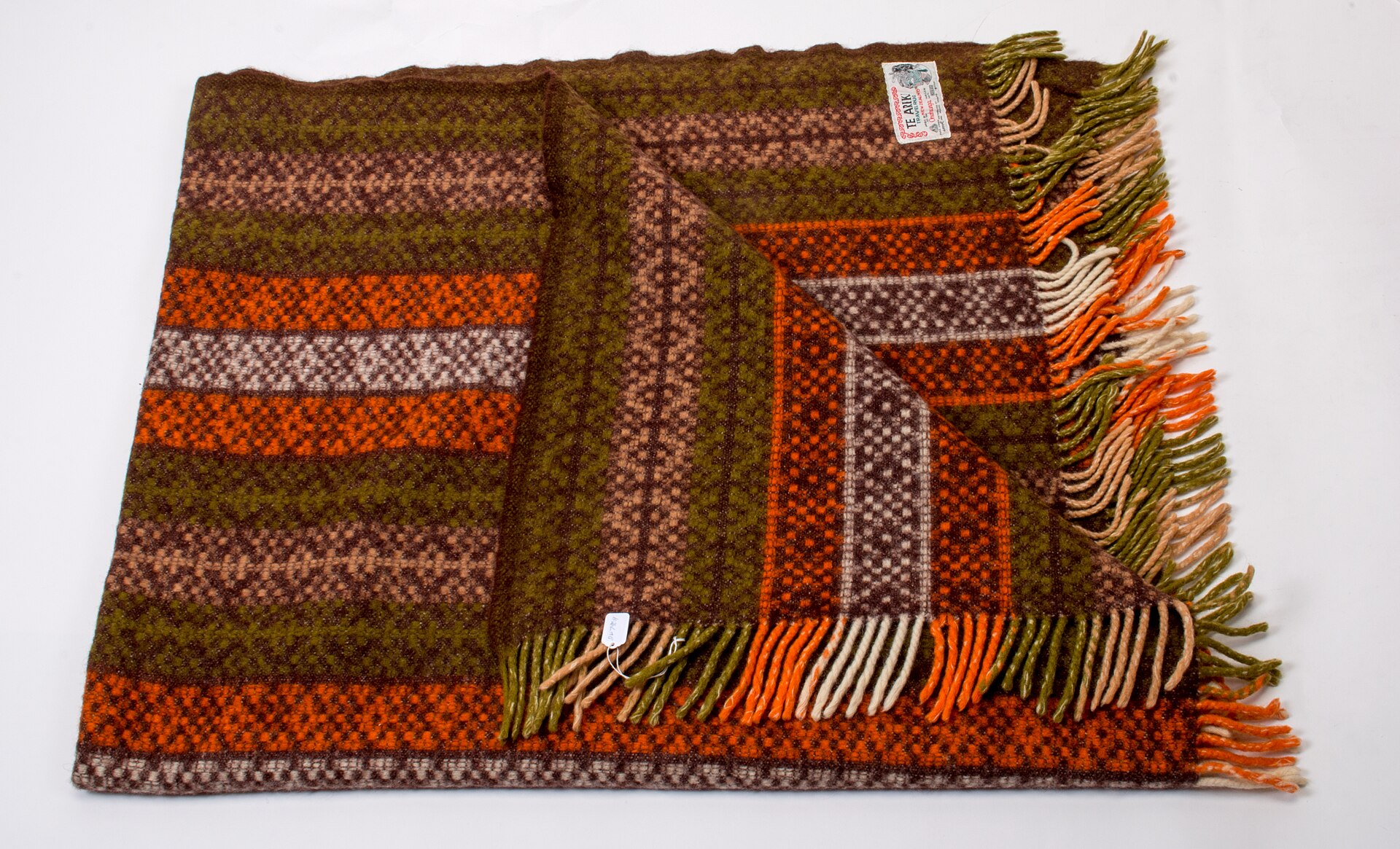
How often should you wash a wool blanket?
Much less often than cotton bedding. Wool naturally resists dirt and odour, so most wool blankets only need a full wash once or twice a year, or when they are visibly dirty. In between:
- Air it outside on a dry, breezy day, out of direct sun, to freshen it.
- Shake or brush it to remove dust, crumbs and pet hair. A clothes brush or a lint roller works well.
- Spot-clean spills straight away with cool water and a drop of wool wash.
- Use a top sheet or duvet cover between you and a wool blanket on a bed to keep body oils off it.
What to wash a wool blanket with
Use a wool-specific, pH-neutral wash. Many everyday detergents contain enzymes that break down protein, and wool is a protein fibre, so they can weaken it. Skip bleach and fabric softener.
- Eucalan Unscented Wool Wash: no-rinse, which is a big advantage with a heavy blanket.
- Soak Wash: another no-rinse option, gentle and low-sudsing.
- Nikwax Wool Wash: good for heavier outdoor and camp blankets.
How to hand wash a wool blanket in the bathtub
Hand washing is the safest method and suits almost any wool blanket.
- Clean the tub so no cleaning-product residue is left behind.
- Fill it with cool to lukewarm water (under 30°C / 85°F), enough to cover the blanket, and stir in the wool wash.
- Submerge the blanket and gently press it down so water soaks through. Don’t swish, rub or wring.
- Soak for 15 to 30 minutes.
- Drain the tub and press the blanket against the bottom to push out water.
- Rinse by refilling with water of the same temperature and pressing again, unless you used a no-rinse wash. Keeping the temperature the same matters: sudden changes can felt wool.
- Remove excess water by folding the blanket and pressing firmly, then rolling it in two or three large towels.
How to machine wash a wool blanket
Many blankets, especially those labelled machine washable or superwash, can go in the machine if it is large enough for the blanket to move freely.
- Use the wool or hand-wash cycle, cold water, and the lowest spin setting.
- Use a wool wash and half the usual amount.
- Wash the blanket on its own.
- For top-loaders with an agitator, consider hand washing instead, since the agitator can felt wool.
- Take it out as soon as the cycle ends.
If your blanket is too big for your machine, a large front-loading washer at a laundromat on its wool or delicate cycle is a good option.
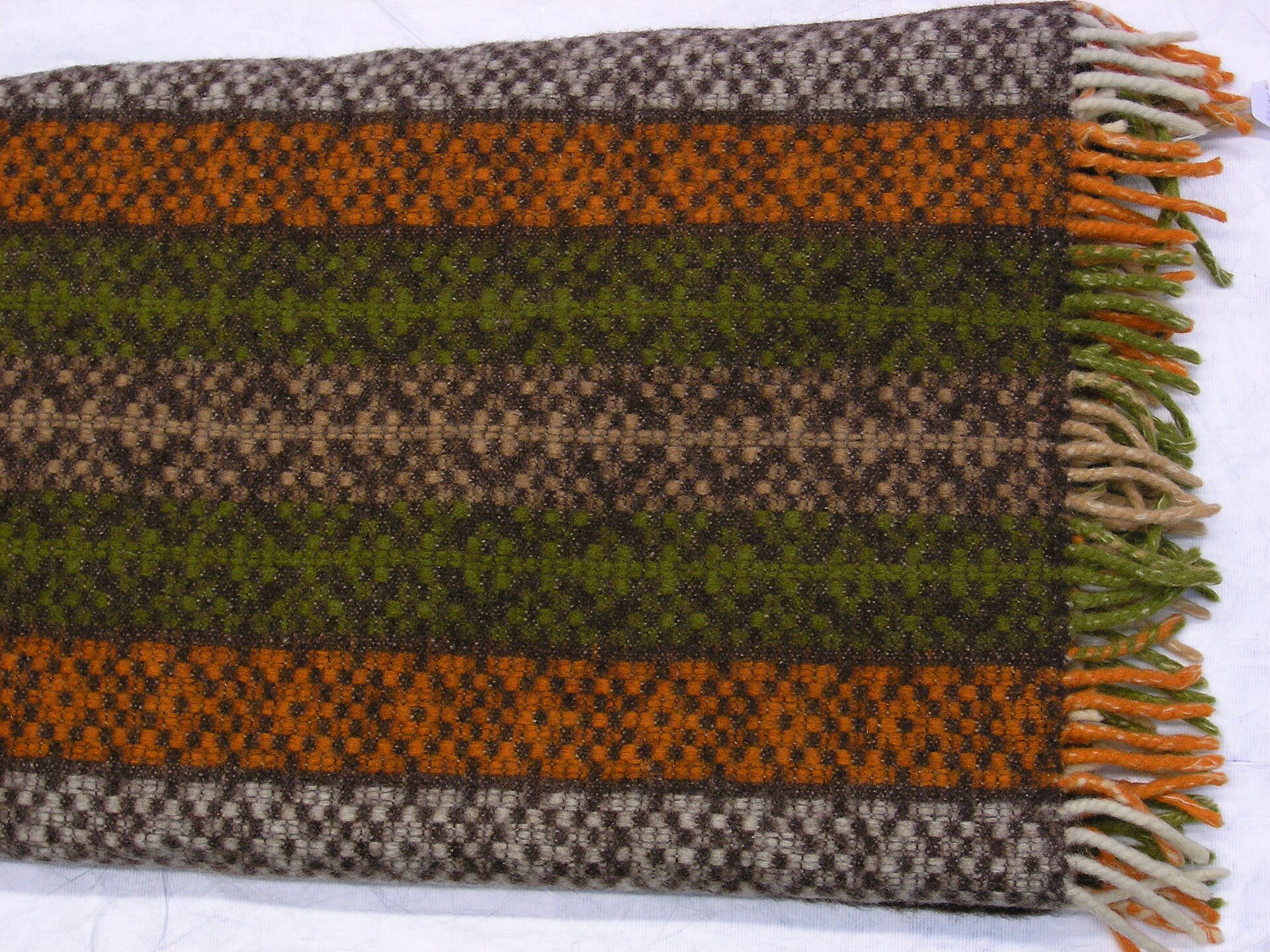
How to dry a wool blanket
Never tumble dry wool: heat plus tumbling is exactly what shrinks it. Instead:
- Dry it flat on a clean surface covered with towels, or drape it evenly over a drying rack or two, spreading the weight so it doesn’t stretch.
- Outdoors, drape it over a clean line or railing in the shade, folded in half to spread the weight. Direct sun can fade colours.
- Reshape it while damp by gently pulling it square.
- Turn it every few hours. A heavy blanket can take one to two days to dry fully, and it must be completely dry before storing to prevent mildew.
When to use a professional cleaner
- Antique, heirloom or hand-woven blankets with natural dyes that may bleed.
- Very large or heavy blankets you can’t handle when wet.
- Blankets labelled “dry clean only”, especially with satin or silk bindings.
- Blankets with stubborn stains you’ve already tried to treat.
How to remove common stains from wool
- Food and drink: blot (don’t rub) immediately, then dab with cool water and a drop of wool wash.
- Grease: sprinkle with cornstarch, leave for an hour, brush off, then dab with wool wash.
- Pet accidents: blot, rinse the area with cool water, then dab with a 1:1 mix of white vinegar and water before washing.
- Avoid hot water on any stain: it can set protein stains and felt the wool.
How to store a wool blanket
- Wash or air it before storing. Moths are attracted to body oils and food residue.
- Store it folded in a breathable cotton bag or box, not sealed plastic.
- Add cedar blocks or lavender sachets to deter moths.
- Keep it somewhere cool, dark and dry, and air it out every few months.
Frequently asked questions
Can you put a wool blanket in the washing machine?
Often, yes: use the wool or hand-wash cycle, cold water, a wool wash and a low spin. Check the care label first, and hand wash antique or loosely woven blankets.
Will a wool blanket shrink in the wash?
Not if you keep the water cool, avoid agitation and never tumble dry it. Shrinking is caused by heat, friction and sudden temperature changes.
How do you make a wool blanket soft again?
Wash it with a lanolin-containing wool wash such as Eucalan, or add a little hair conditioner to the final rinse, then dry it flat. Brushing it gently once dry also lifts the fibres.
How do you get the smell out of a wool blanket?
Air it outdoors in the shade for a day. For stubborn odours, add half a cup of white vinegar to the rinse water; the vinegar smell disappears as it dries.
Leave a Reply