Updated November 2026. Some links are affiliate links: as an Amazon Associate we earn from qualifying purchases.
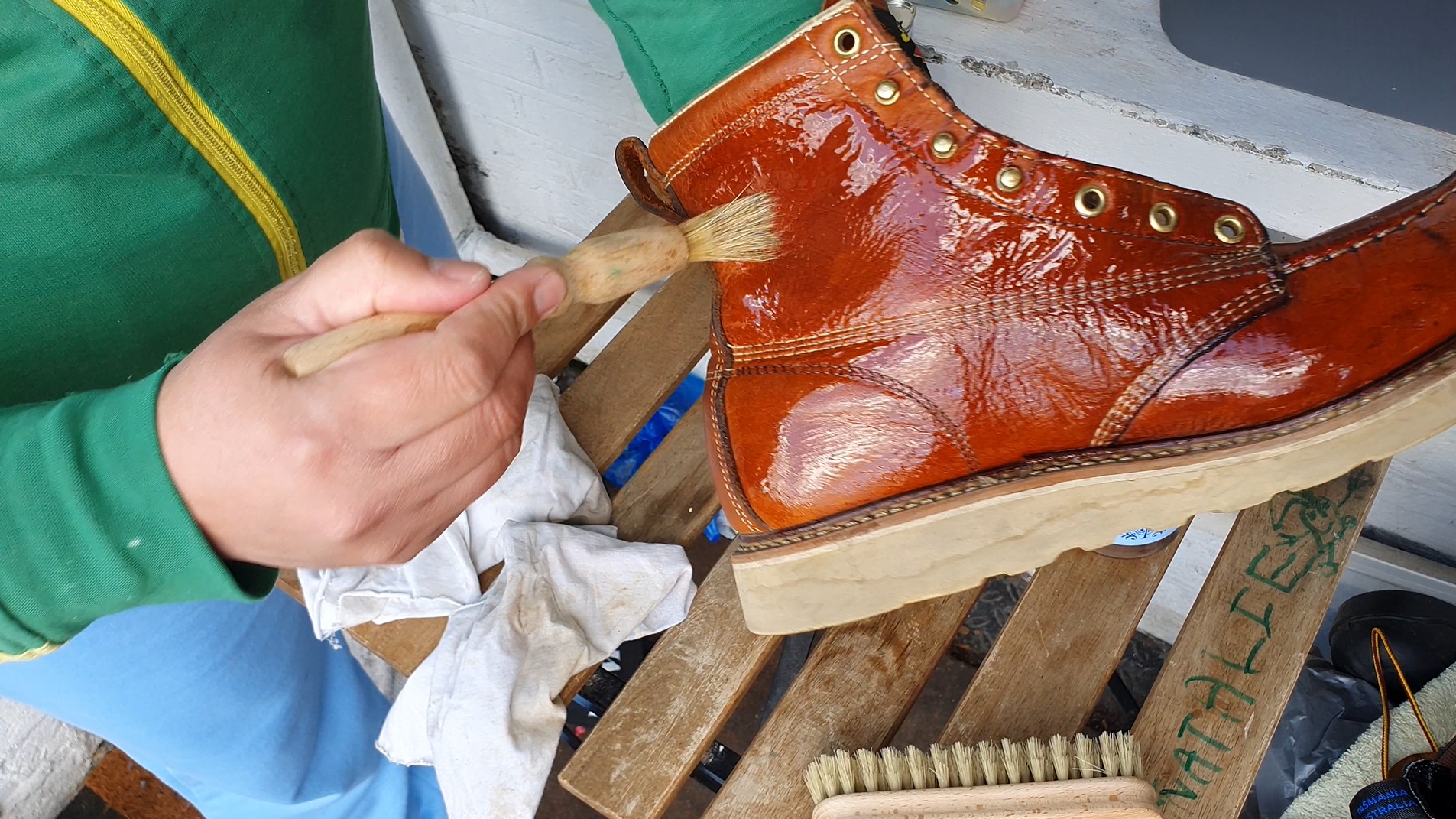
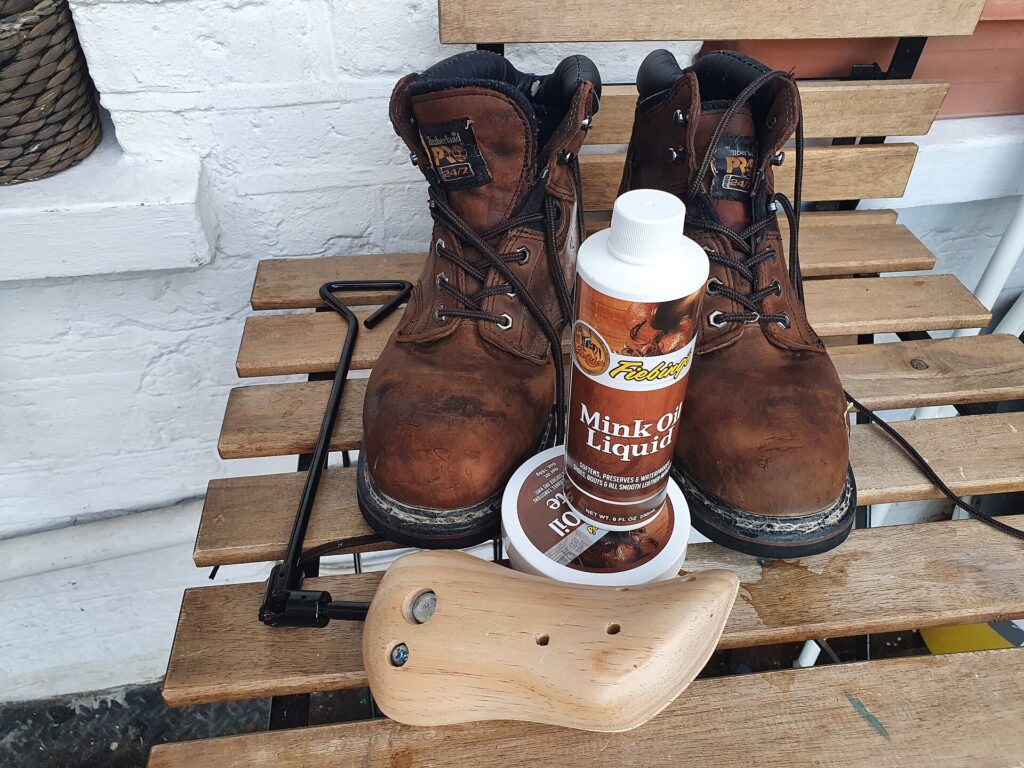
Good leather can last for decades, but only if it is looked after. Leather is a skin, and as it dries out it stiffens, cracks and fades, especially after a Canadian winter of salt, slush and dry indoor heat. A leather conditioner replaces lost oils so boots, jackets, bags and belts stay supple and water-resistant. A few minutes of care a season is far cheaper, and far less wasteful, than replacing them.
These are our picks from Amazon.ca, chosen on design, materials, value and the volume and consistency of buyer reviews. We have not lab-tested them ourselves.
Quick picks
- Best overall: Leather Honey Leather Conditioner, a long-time favourite with tens of thousands of reviews
- Best 3-in-1: Weiman 3-in-1 Leather Cleaner, Conditioner and Protector, for furniture, car seats and bags
- Best for shoes and boots: Moneysworth & Best Leather Lotion, from a specialist shoe care brand
The best leather conditioners
1. Leather Honey Leather Conditioner: best overall
Leather Honey is a thick, penetrating conditioner that soaks into smooth leather to soften it and add water resistance. A little goes a long way, so one bottle lasts a long time. It is one of the most-reviewed leather products on Amazon.ca.
- Good for: boots, jackets, bags, saddles
- Watch for: it can darken some leathers slightly; test on a hidden spot
Check the Leather Honey Leather Conditioner on Amazon.ca →
2. Weiman 3-in-1 Leather Cleaner and Conditioner: best 3-in-1
Weiman’s formula cleans, conditions and protects in one step, which makes routine care of sofas, car seats and everyday bags quick. It is highly rated by buyers.
- Good for: furniture, car interiors, handbags
- Watch for: for heavily soiled leather, clean separately first
Check the Weiman 3-in-1 Leather Cleaner and Conditioner on Amazon.ca →
3. Moneysworth & Best Leather Lotion: best for shoes and boots
Moneysworth & Best is a shoe care specialist, and its leather lotion is a lighter conditioner suited to dress shoes and boots that you then polish. It is very highly rated.
- Good for: dress shoes, boots before polishing
- Watch for: a lighter lotion may need more frequent application on work boots
Check the Moneysworth & Best Leather Lotion on Amazon.ca →
Comparison
| Conditioner | Type | Best for |
|---|---|---|
| Leather Honey | Penetrating conditioner | Boots, jackets, bags |
| Weiman 3-in-1 | Clean + condition + protect | Furniture, car seats |
| Moneysworth & Best | Leather lotion | Dress shoes and boots |
How to condition leather
- Clean first. Brush off dirt with a soft brush, then wipe with a damp cloth. Remove road salt with a mix of water and a little white vinegar, then let it dry.
- Test a hidden spot. Conditioners can darken leather, especially light colours.
- Apply a thin layer with a soft cloth, working it in with small circles. Pay attention to creases and seams, which dry out first.
- Let it absorb, usually for a few hours or overnight, away from direct heat.
- Buff off the excess with a clean cloth. For shoes, follow with shoe polish if you want shine and colour.
How often to condition
For everyday boots and shoes, every two or three months, and more often in winter, is a good rule. Jackets, bags and furniture usually need conditioning once or twice a year. The best guide is the leather itself: if it looks dull, feels stiff or shows fine cracks at the creases, it needs conditioning. Over-conditioning can make leather soft and greasy, so do not overdo it.
Leather that should not be conditioned
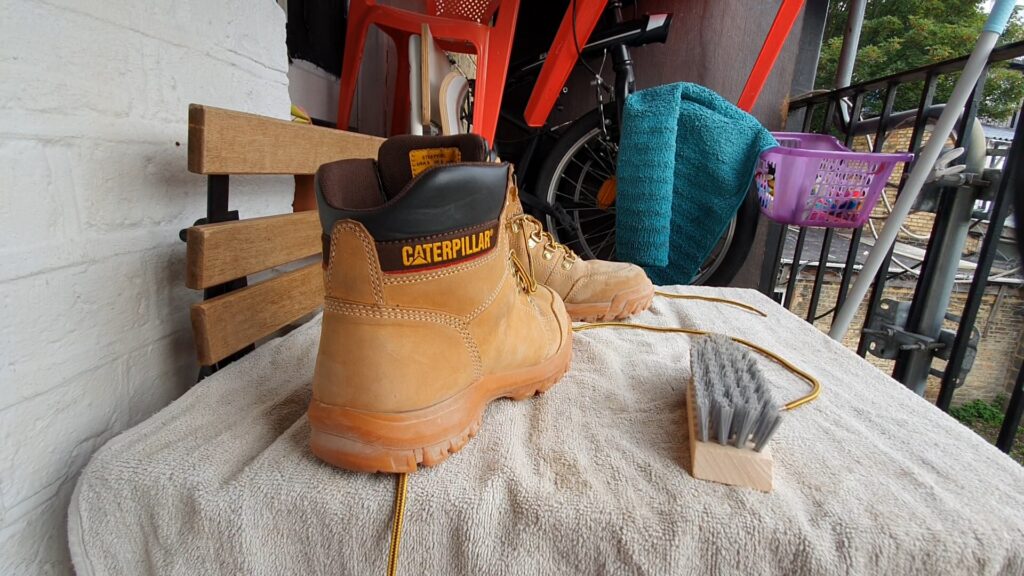
Suede and nubuck have a brushed surface that conditioners and creams will flatten and stain. Clean them with a suede brush and eraser and protect them with a spray made for suede. Patent leather needs only a wipe with a damp cloth. Always check the care label on furniture and car interiors, which are sometimes coated.
Make leather last longer
- Rotate shoes so each pair can dry out for a day between wears.
- Use cedar shoe trees to keep shape and absorb moisture.
- Let wet leather dry naturally, away from radiators and heaters, which crack it.
- Get worn soles and heels replaced by a cobbler before they damage the upper.
Frequently asked questions
Can I use olive oil or coconut oil on leather?
It is not recommended. Kitchen oils can go rancid, darken leather unevenly and attract dirt. A purpose-made conditioner is safer.
Does leather conditioner make boots waterproof?
It improves water resistance, but it does not make leather waterproof. For wet conditions, add a waterproofing product designed for your type of leather.
Should I condition new leather?
Most new leather is already treated. Condition it after a few months of wear, or sooner if it looks dry.
Leave a Reply