Updated November 2026. Some links are affiliate links: as an Amazon Associate we earn from qualifying purchases.
Faded black jeans, a T-shirt with a stubborn stain, or a linen shirt that has gone dull do not have to be thrown out. Fabric dye can restore the colour or give a garment a completely new one, for the price of a coffee. Re-dyeing is one of the easiest ways to bring tired clothes back into rotation and keep them out of landfill.
These are our picks from Amazon.ca, chosen on design, materials, value and the volume and consistency of buyer reviews. We have not lab-tested them ourselves.
Quick picks
- Best for natural fibres: Rit All-Purpose Liquid Dye, for cotton, linen, wool, silk and rayon
- Best for synthetics: Rit DyeMore for Synthetics, for polyester, acrylic and blends
The best fabric dyes
1. Rit All-Purpose Liquid Dye: best for natural fibres
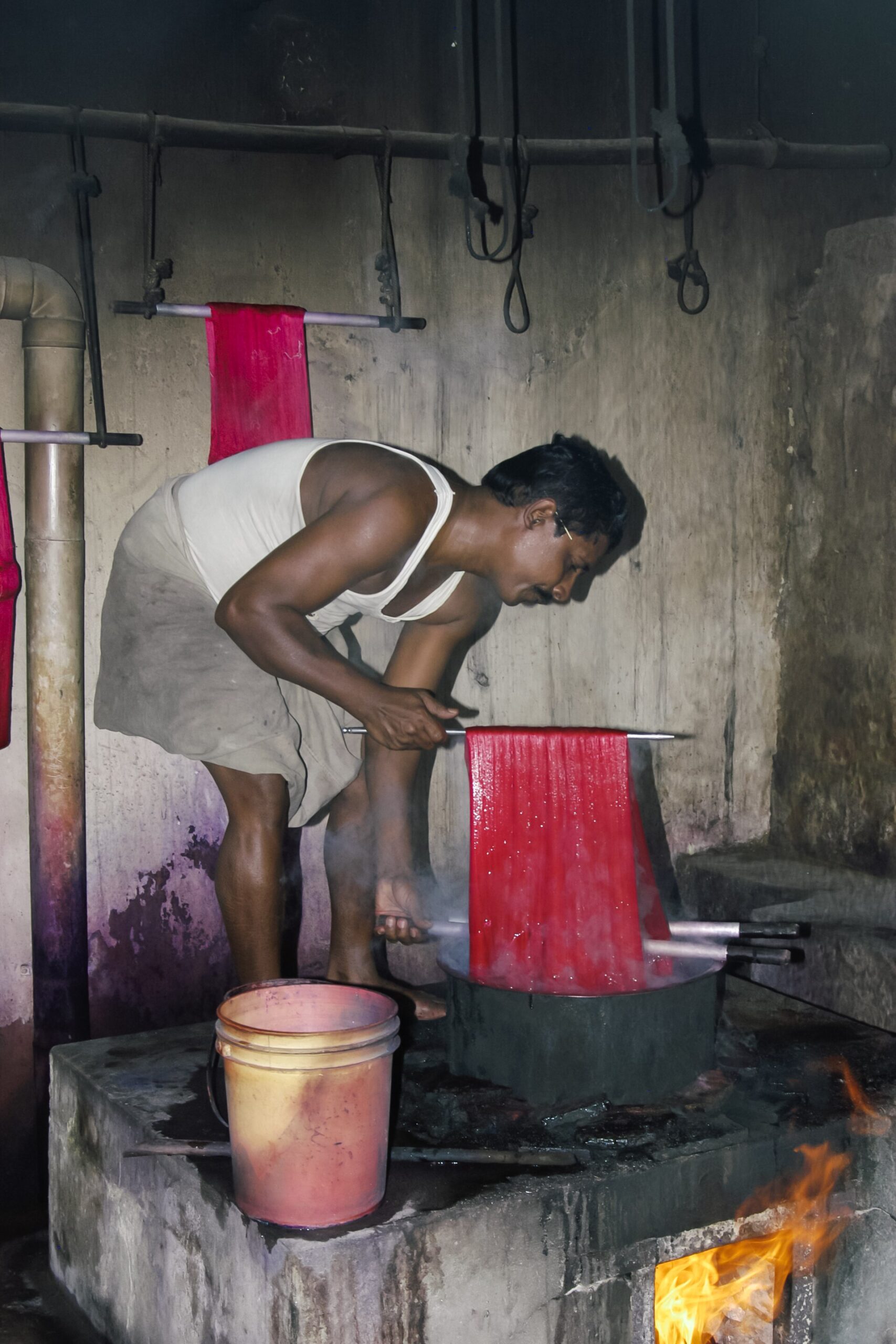
Rit All-Purpose is the most widely available fabric dye and works on natural fibres such as cotton, linen, wool, silk and ramie, as well as rayon and nylon. The liquid form dissolves easily, and it can be used in a bucket, sink, on the stovetop or in some washing machines. Follow the label for your method.
- Good for: refreshing faded cotton and linen, tie-dye
- Watch for: it will not dye 100% polyester; use DyeMore instead
Check the Rit All-Purpose Liquid Dye on Amazon.ca →
2. Rit DyeMore for Synthetics: best for synthetics
Synthetic fibres need a different kind of dye and more heat. Rit DyeMore is designed for polyester, acrylic, acetate and synthetic blends, and is usually used on the stovetop. It has thousands of reviews on Amazon.ca.
- Good for: polyester, poly-cotton blends, acrylic knits
- Watch for: stovetop dyeing needs a large pot you will not use for food
Check the Rit DyeMore for Synthetics on Amazon.ca →

Comparison
| Dye | Fibres | Method |
|---|---|---|
| Rit All-Purpose | Cotton, linen, wool, silk, rayon, nylon | Sink, bucket, stovetop or machine (see label) |
| Rit DyeMore | Polyester, acrylic, acetate, blends | Mainly stovetop, with heat |
Check the fibre content first
The fibre label decides everything. Natural fibres take all-purpose dye well; synthetics need a synthetic dye; and blends take colour unevenly, often giving a heathered or lighter result. Thread is often polyester, so seams may stay their original colour on a dyed cotton garment, which can look nice on jeans. Water-repellent finishes, stains and heavy wear can also stop dye from taking evenly.
How to dye clothes at home
- Wash the garment to remove finishes and dirt, and leave it damp.
- Protect your space: wear gloves and old clothes, cover surfaces, and use a bucket, sink or pot that is not used for food.
- Mix the dye with hot water as the label directs. Adding salt (for cotton and linen) or vinegar (for wool, silk and nylon) helps the dye bond; follow the instructions.
- Add the garment and keep it moving for even colour. The longer it stays in the dye bath, the deeper the colour.
- Rinse in warm, then cooler water until the water runs nearly clear.
- Wash separately the first few times, since some dye may still release.
Colour tips
- Dye works like transparent paint: you can go darker, but not lighter. A yellow shirt dyed blue will turn green.
- Navy and black are the easiest ways to rescue stained or patchy clothes.
- To refresh faded black jeans, use black dye and leave them in longer than you think.
- Test a scrap or an inside seam first if you can.
Is home dyeing eco-friendly?
Synthetic dyes are chemicals, so use only what you need, follow the label for disposal, and keep dye baths small. That said, re-dyeing a garment you already own uses a tiny fraction of the resources needed to make a new one, so it is usually the lower-impact choice. For more on the industry’s footprint, see our guide to the environmental impact of clothing.
Frequently asked questions
Can I dye clothes in the washing machine?
Some all-purpose dyes can be used in certain washing machines; check both the dye label and your machine manual. Run an empty hot cycle with a little bleach or cleaner afterwards to remove residue.
Will dye cover stains?
Dyeing darker often hides stains, but oily stains may resist dye and show as lighter patches. Treat stains before dyeing.
Why did my polyester shirt not take the dye?
Polyester needs a dye made for synthetics and high heat. All-purpose dye will barely tint it.
Leave a Reply