Updated November 2026. Some links are affiliate links: as an Amazon Associate we earn from qualifying purchases.
Cooking oil, salad dressing, butter, bike chain grease, sunscreen, lotion: oil stains are some of the most common marks on clothing, and they are stubborn because oil does not dissolve in water. The good news is that most oil stains come out completely at home with things you already own, as long as you absorb the excess first, break up the oil with a surfactant, and keep the garment out of the dryer until the stain is gone. This guide covers fresh stains, set-in stains that have already been through the wash, and delicate fabrics.
Quick answer: how to get oil out of clothes
- Blot, don’t rub. Lift off any excess oil with a paper towel or the edge of a spoon.
- Absorb. Cover the stain with baking soda or cornstarch and leave it for 15 to 30 minutes, then brush it off.
- Pretreat. Work a few drops of liquid dish soap (or a stain stick or heavy-duty liquid detergent) into both sides of the stain with your fingers or a soft brush. Leave it 10 to 15 minutes.
- Wash. Wash in the warmest water the care label allows, with your usual detergent.
- Check before drying. Air dry and look at the spot in good light. If any trace remains, repeat steps 3 and 4. Never tumble dry a garment that still shows an oil mark, because heat can set it.
Why oil stains are so hard to remove
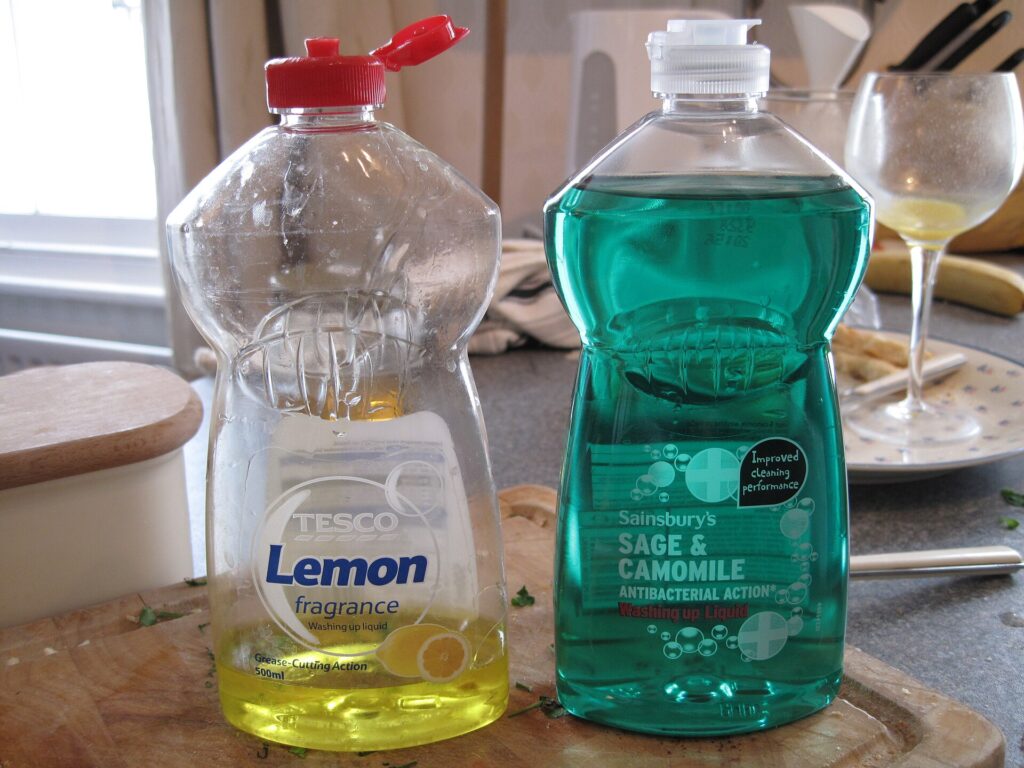
Water alone just beads up on oil, so rinsing a grease spot under the tap does almost nothing. To remove oil you need a surfactant, a molecule with one end that grabs oil and another that is attracted to water, so the oil can be lifted off the fibres and rinsed away. Dish soap and laundry detergent are both surfactant blends; dish soap is especially good at grease because cutting fat on plates is exactly what it is formulated for.
Timing matters. Oil gradually wicks deeper into fibres, and synthetic fabrics such as polyester and nylon are oleophilic: they attract and hold oil. Heat from a dryer or iron can oxidise the oil and leave a yellowed, darkened mark that is much harder to shift. That is why extension stain guides consistently say to pretreat promptly and to air dry until the stain is gone.
What you need
You probably have most of this already. Where you don’t, these are the products we recommend:
- Liquid dish soap – a clear, dye-free dish soap is the classic grease fighter. Dawn Ultra dish soap on Amazon is the one most cleaning guides use because it is concentrated and strongly degreasing.
- An absorbent powder – baking soda or cornstarch pulls fresh oil out of the fabric before you wash. Arm & Hammer baking soda or Fleischmann’s corn starch both work.
- A plant-based stain stick – handy for pretreating at the sink or keeping in a bag. Buncha Farmers stain remover stick is a solid, low-waste bar that is very good on food grease.
- An enzyme stain remover – for mixed food stains (oil plus sauce, gravy, egg). Biokleen Bac-Out is plant-based and uses live enzyme cultures. Do not use enzyme products on wool or silk.
- A laundry bar soap – for heavy grease such as bike chain or motor oil. Fels-Naptha laundry bar is the old-fashioned favourite.
- A soft brush – an old toothbrush works, or a soft horsehair laundry brush that won’t pill the fabric.
How to remove a fresh oil stain, step by step
1. Blot up the excess
As soon as you can, press a paper towel or clean cloth onto the spot to soak up oil sitting on the surface. Scrape off any solid grease (butter, mayonnaise) with a spoon. Do not rub, which pushes oil deeper and spreads it.
2. Draw the oil out with baking soda or cornstarch
Lay the garment flat and sprinkle a generous layer of baking soda or cornstarch over the stain. Leave it for 15 to 30 minutes (longer for a big splash). The powder wicks oil out of the fibres. Brush or shake it off outdoors or over the bin; if the powder looks greasy and clumped, repeat with a fresh layer.
3. Pretreat with dish soap
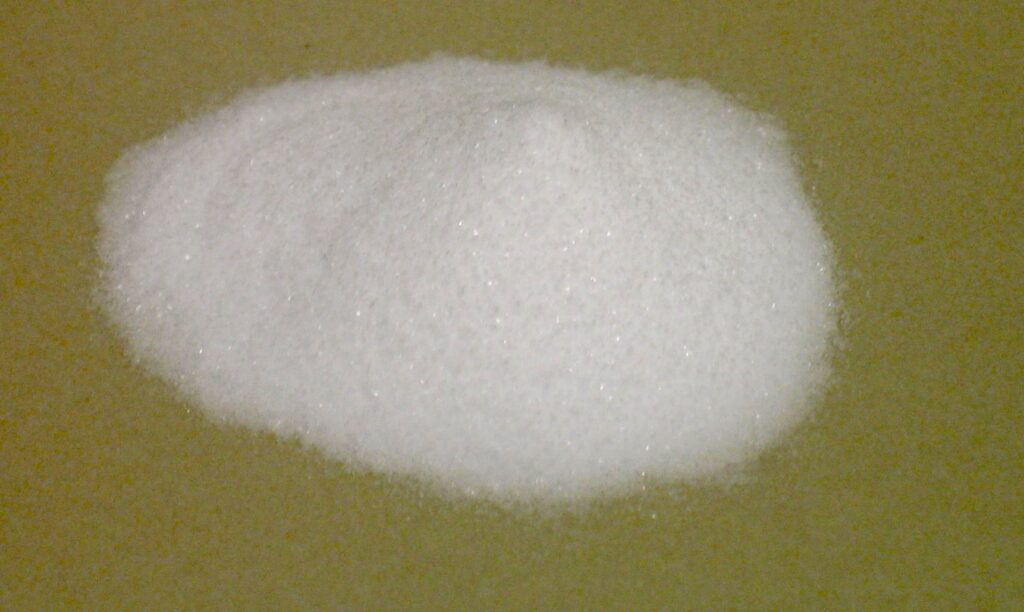
Put a few drops of liquid dish soap on the stain and work it in gently with your fingertips or a soft brush, from the outside of the stain toward the centre so you don’t spread it. Treat the back of the fabric too: putting a folded paper towel under the stain and working from the reverse side pushes oil out the way it came in. Let the soap sit for 10 to 15 minutes. For a stain stick or enzyme spray, follow the product directions.
4. Wash in the warmest water the label allows
Oil releases more easily in warm or hot water, so check the care label and use the warmest setting that is safe for that garment. Cotton and polyester T-shirts, jeans and work clothes can usually take warm or hot. Wash with a good liquid detergent; liquid detergents are generally better on oily soils than powders. Our best laundry detergent guide covers options, including low-tox picks.
5. Air dry and inspect
Hang the garment to dry, then check the spot in daylight. Oil stains can be hard to see while fabric is wet, so wait until it is completely dry. If you still see a darker or shiny patch, repeat the pretreatment and wash. Only put it in the dryer once the stain is gone.
How to remove old or set-in oil stains
If a shirt has already been washed and dried with an oil stain, don’t give up. Set-in oil usually needs a longer pretreatment and sometimes several rounds:
- Dampen the stain and sprinkle baking soda over it, then add a few drops of dish soap and work it into a paste with a soft brush.
- Leave the paste on for at least 30 minutes, or several hours for an old stain.
- Rinse with warm water, then rub in a laundry bar soap or stain stick and wash on the warmest safe setting.
- Air dry and check. Repeat two or three times if needed; each round usually lightens the mark.
For very old, darkened marks on sturdy whites, an oxygen bleach soak (sodium percarbonate) after degreasing can help lift the yellowed residue. Always check the care label and test colours first.
Method by type of oil stain
| Stain | Best first step | Notes |
|---|---|---|
| Cooking oil, salad dressing | Cornstarch or baking soda, then dish soap | Usually comes out in one wash if treated before drying. |
| Butter, mayonnaise, gravy | Scrape, then dish soap | Mixed food stains respond well to an enzyme pretreatment after degreasing. |
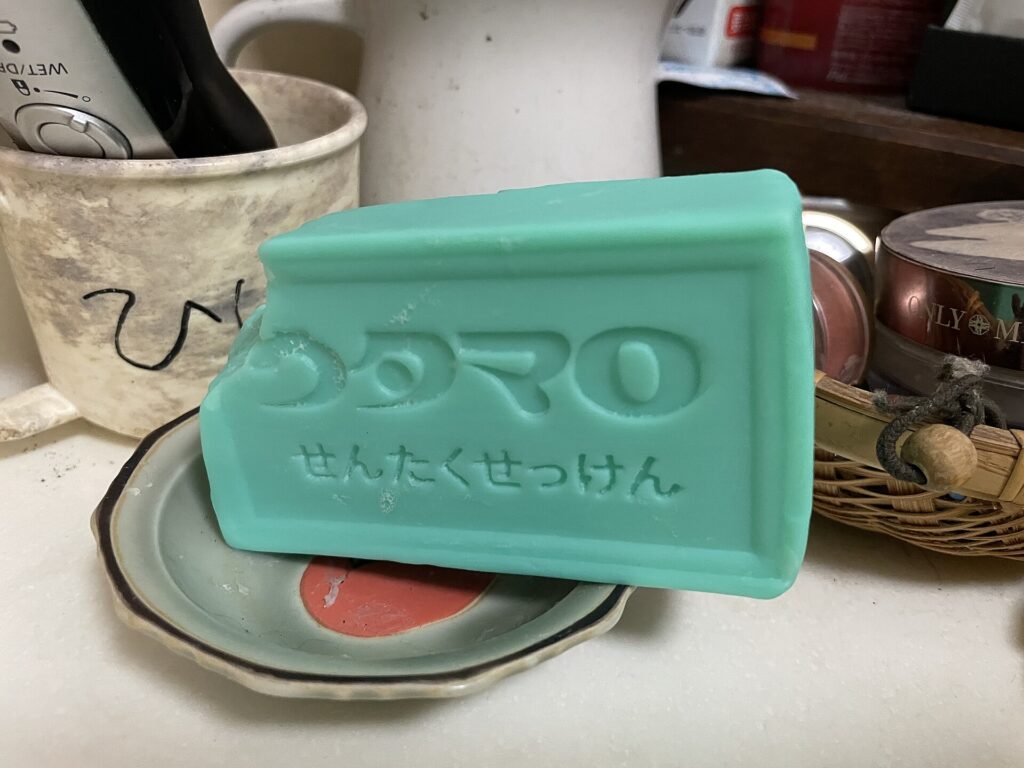
| Bike chain or motor grease | Laundry bar soap or heavy-duty liquid detergent | Work it in well and repeat; may need two or three rounds. Wash separately. |
| Sunscreen and body lotion | Dish soap, then wash | Sunscreens with avobenzone can react with iron in hard water and leave orange-brown marks; those need a rust stain remover. |
| Lipstick, makeup | Dish soap or stain stick | Blot from the back; avoid rubbing colour into a wider ring. |
| Old set-in oil | Baking soda + dish soap paste | Longer dwell time, repeat cycles, air dry between attempts. |
Delicate fabrics: silk, wool, rayon and dry-clean-only
Silk and wool are protein fibres that are damaged by hot water, rubbing and enzyme detergents. For these, blot and use cornstarch to absorb the oil, then dab (don’t scrub) a tiny amount of mild, pH-neutral wash in cool water. See our guides on how to wash silk and how to wash a wool sweater for safe handling.
For garments labelled dry clean only, tailored jackets, structured pieces and anything valuable, take it to a cleaner as soon as possible and point out the stain and what caused it. Oil-based stains are actually something dry cleaning solvents handle well, and the sooner they see it the better the result.
Common mistakes to avoid
- Putting it in the dryer too soon. Heat is the number one reason oil stains become permanent.
- Rubbing hard. This spreads the oil and roughs up fibres, especially on knits.
- Using only cold water. Cold water is great for most laundry, but oil comes out more readily with warm water where the fabric allows it.
- Using chlorine bleach on oil. Bleach does not remove grease and can yellow some fibres. Remove the oil first.
- Viral hacks. Some online tips use solvents or lubricants on clothes; these can leave their own residue and are not necessary for ordinary food and body oils.
Lower-impact stain removal
Treating a stain properly is one of the easiest ways to keep clothes in use longer, which is the single biggest thing most of us can do to cut the environmental impact of our wardrobes. Dish soap, baking soda and a reusable stain bar are inexpensive and low in packaging, and a quick pretreatment means you can wash most loads in cooler water. For more, read how to wash clothes sustainably.
Frequently asked questions
Does dish soap really remove oil stains from clothes?
Yes. Dish soap is designed to break up grease, and a few drops worked into a fresh oil stain before washing removes most cooking-oil marks. Use a clear, dye-free dish soap and test on an inside seam if you are worried about colourfastness.
Can oil stains come out after drying?
Often, yes, but it takes more work. Use a baking soda and dish soap paste, leave it longer, and repeat the pretreat-and-wash cycle a few times, air drying in between.
Is baking soda or cornstarch better for oil stains?
Both work as absorbents on fresh stains. Cornstarch is very fine and gentle on delicates; baking soda is slightly abrasive, which helps when you make a paste for older stains.
Will vinegar remove oil stains?
Not on its own. Vinegar is an acid, not a degreaser, so it does little to dissolve oil. Use dish soap or a detergent first.
How do I get oil out of polyester or activewear?
Synthetics hold onto oil, so pretreat with dish soap or a stain stick, wash in warm water if the label allows, and repeat if needed. A soak in warm water with detergent for an hour before washing helps with body oils in sportswear.
Related guides
- Best laundry detergent
- Best non-toxic laundry detergent
- How to wash clothes sustainably
- How to wash silk
Leave a Reply