Updated November 2026. Some links are affiliate links: as an Amazon Associate we earn from qualifying purchases.
Your pillowcase gets washed every week or two, but the pillow inside it soaks up sweat, skin oils, saliva and dust night after night. Yellow patches and a stale smell are the giveaway. The good news is that most down, feather and polyester pillows can go straight in the washing machine, and with the right settings they come out clean, fluffy and dry. Memory foam and latex are the exceptions. Here is how to wash each type of pillow without ruining it.
Quick answer: how to wash pillows in the washing machine
- Check the care label to confirm the pillow is machine washable and see the maximum temperature.
- Remove the pillowcase and any protector and wash those separately.
- Wash two pillows at a time to keep the drum balanced.
- Use a gentle or bulky cycle with warm water and a small amount of mild liquid detergent.
- Add an extra rinse and an extra spin to remove all the soap and as much water as possible.
- Dry on low heat with wool dryer balls, fluffing every 30 minutes, until the pillow is completely dry all the way through.
Which pillows can go in the washing machine?
| Pillow fill | Machine wash? | How to dry | Notes |
|---|---|---|---|
| Polyester / fibrefill | Usually yes | Tumble dry low | Most common and easiest to wash. |
| Down and feather | Usually yes | Tumble dry low, long cycle | Must dry completely or it can smell and clump. |
| Down alternative | Usually yes | Tumble dry low | Follow the label; treat like polyester. |
| Memory foam (solid) | No | Air dry only | Wash the removable cover; spot clean the foam. |
| Shredded memory foam | Sometimes | Air dry or very low heat | Many say cover only; check the label. |
| Latex | No | Air dry, out of sun | Spot clean; water and wringing can tear latex. |
| Buckwheat | Hulls no; case yes | Sun or air the hulls | Empty the hulls, wash the case, refill. |
If the label says dry clean only or has been cut off and you don’t know the fill, it is safer to hand wash or spot clean than risk a machine cycle.
What you need
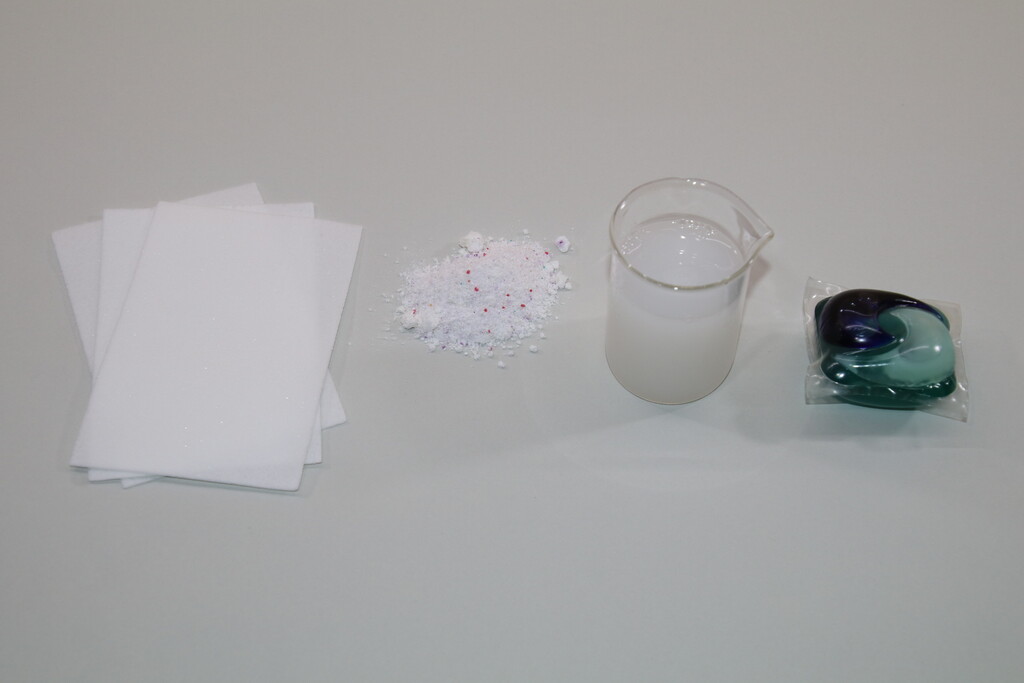
- A mild liquid detergent, used sparingly. Too much soap is hard to rinse out of dense fill and leaves pillows stiff. A free-and-clear formula such as ATTITUDE Free and Clear on Amazon or Tide Free & Gentle is a good choice for something you put your face on all night.
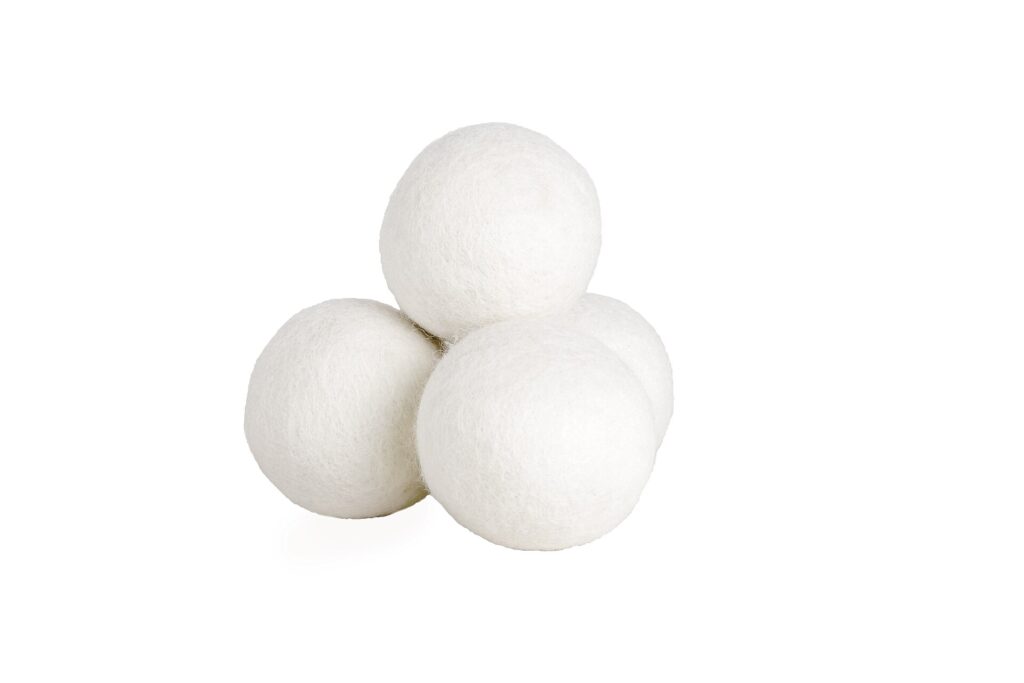
- Wool dryer balls to break up clumps and fluff the fill as it dries. These XL New Zealand wool dryer balls are a reusable alternative to the tennis-ball trick (which can leave a rubber smell).
- Pillow protectors for afterwards, so you need to wash pillows less often. Zippered cotton protectors such as FAUNNA 100% cotton pillow protectors are breathable; if you need a barrier against spills or drool, a waterproof zippered protector is the alternative, though they are less breathable.
How to wash down, feather and polyester pillows
1. Pretreat stains
Yellow sweat stains and makeup marks respond well to a little detergent rubbed in by hand 15 minutes before washing. For stubborn yellowing on white polyester pillows, an oxygen-bleach pretreatment can help; avoid chlorine bleach, which weakens fibres and can yellow polyester further. If you have an oily mark from hair products, see our guide to removing oil stains.
2. Load two pillows
Washing two pillows together balances the drum and stops a single waterlogged pillow from banging around. In a top loader with an agitator, place the pillows vertically on either side of the agitator so they don’t wrap around it. Front-loaders and high-efficiency top-loaders are gentler on pillows.
3. Choose the cycle
Pick a gentle, delicate or bulky cycle with warm water, unless the label says cold. Use about half your usual dose of liquid detergent: pillows hold a lot of water and suds. Powder detergent can get trapped in fill, so liquid is better here.
4. Rinse and spin twice
Run an extra rinse to clear all the detergent, then an extra spin to wring out as much water as possible before drying. Squeezing (not wringing) any remaining water out by hand also helps.
5. Dry low and slow
Tumble dry on low heat with two or three wool dryer balls. High heat can scorch down and melt or flatten synthetic fibres. Every 30 minutes, take the pillows out, fluff them and break up any clumps with your hands. Drying a down pillow can take two to three hours or more. The pillow is done only when it is completely dry inside: squeeze it and sniff it. Any dampness left deep in the fill can lead to mildew and a sour smell. A final hour in the sun on a dry, breezy day is a nice way to finish.
How to clean memory foam and latex pillows
Solid foam and latex pillows should not go in the washer or dryer: water saturates the foam, agitation can tear it, and they take a very long time to dry. Instead:
- Remove and wash the cover according to its label.
- Vacuum the pillow with an upholstery attachment to remove dust.
- Spot clean marks with a cloth dipped in warm water and a drop of mild detergent, dabbing rather than scrubbing.
- Wipe with a clean damp cloth to rinse.
- Air dry completely in a well-ventilated room, out of direct sunlight (UV degrades latex and foam).
- To freshen, sprinkle with baking soda, leave a few hours, then vacuum it off.
How to hand wash a pillow
If you don’t trust your machine with a pillow, hand washing works for small polyester and down pillows. Fill a bathtub with warm water and a small amount of detergent, submerge and squeeze the pillow repeatedly for a few minutes, drain, then rinse by squeezing in clean water until no suds remain. Press out water (don’t wring), then tumble dry low or air dry, fluffing often.
How often should you wash pillows?
A good rule of thumb is to wash pillows every three to six months, and pillowcases weekly. Wash more often if you sweat at night, sleep with wet hair, wear makeup or skincare to bed, or have allergies. Using a zippered pillow protector and washing it with your sheets keeps the pillow itself cleaner for longer.
When to replace a pillow
Even well-cared-for pillows wear out. A simple test for fibrefill and down pillows: fold it in half and let go. If it stays folded or springs back slowly, the fill has broken down and it no longer supports your neck. Lumps that won’t fluff out, persistent odours after washing, and stains that won’t shift are also signs. Polyester pillows typically last one to two years; good down pillows can last much longer with care. When you do replace one, many textile recycling programs and animal shelters accept old pillows, so check locally before binning it.
Drying pillows without a dryer
No dryer? You can still wash polyester pillows, but plan for a long drying time. Run two extra spin cycles, then press out as much water as possible by rolling the pillow in a thick towel. Dry flat on a rack outdoors on a warm, breezy, sunny day, turning and fluffing every hour. Bring it in only when it is dry right through, which can take a full day or more. Down pillows are much harder to air dry thoroughly, so if you have no dryer, a laundromat’s low-heat dryer for a couple of hours is the safer option.
Lower-impact pillow care
Pillows are bulky, mostly made of synthetic fibres or animal down, and hard to recycle, so making them last is the greener choice. A protector, a quick wash a couple of times a year, a full dry on low heat and regular airing in the sun all extend a pillow’s life. Choose a fragrance-free detergent in modest doses, wash with a full load of bedding where possible, and use reusable wool dryer balls instead of single-use dryer sheets. If you are buying new, look for certified responsibly sourced down (such as the Responsible Down Standard) or recycled-fibre fills, and covers in organic cotton.
Frequently asked questions
Can I wash pillows in a top-loading machine with an agitator?
Yes, but use the gentlest cycle, load two pillows vertically on either side of the agitator, and avoid overloading. An agitator is rougher on pillows than a front-loader or impeller top-loader.
Why does my pillow smell after washing?
Almost always because it wasn’t completely dry. Put it back in the dryer on low with dryer balls until no damp spots remain deep inside.
Can I use fabric softener on pillows?
It’s best not to. Softener coats fibres and down clusters, reducing loft and absorbency. Wool dryer balls soften and fluff without residue.
How do I get yellow stains out of pillows?
Yellowing is mostly sweat and body oils. Pretreat with a little detergent, wash on warm, and for white polyester pillows add an oxygen bleach pretreatment if the label allows.
Related guides
- How to wash a wool blanket
- Best laundry detergent for sensitive skin
- Best non-toxic laundry detergent
- How to wash clothes sustainably
Leave a Reply